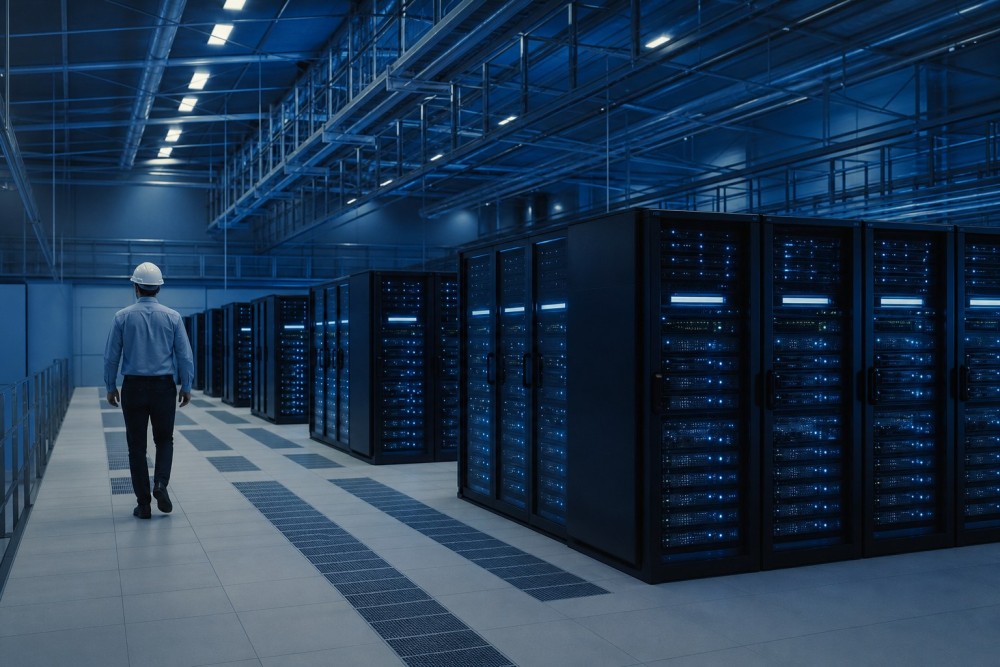
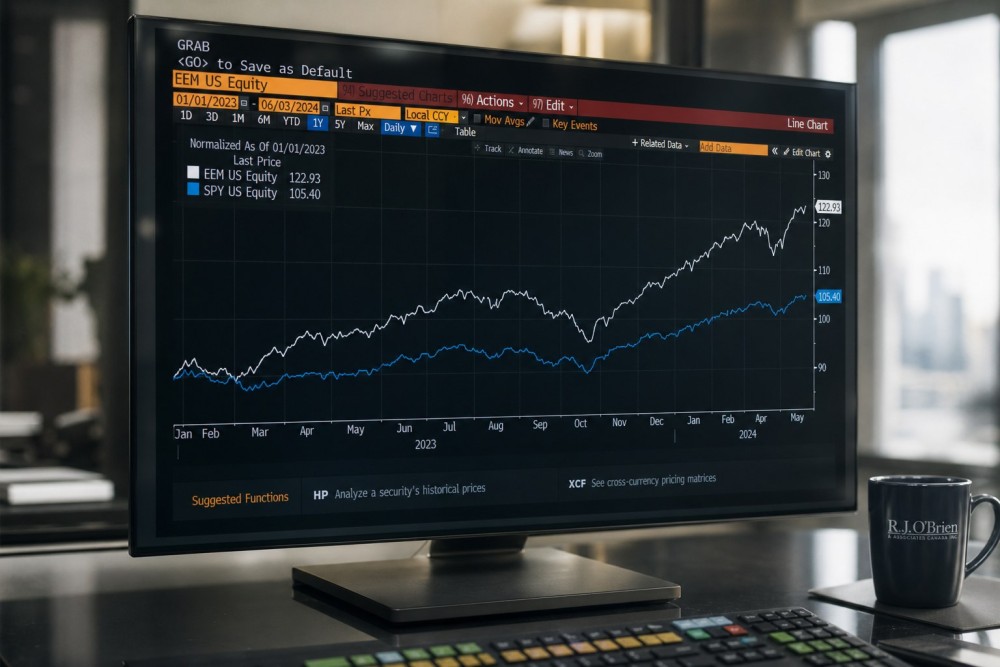
Across 2026, big tech AI capex has climbed to staggering levels. Four US giants, Microsoft, Alphabet, Meta, and Amazon, are collectively pouring hundreds of billions of dollars into data centers and AI chips.
If you invest in US stocks, this spending wave matters. Heavy capex can be a long-term growth engine. It can also squeeze free cash flow and margins in the short run.
This article explains how big the spending is, what worries investors, who benefits, and how to respond calmly.
How Big Is Big Tech AI Capex in 2026
The numbers have genuinely surged. Amazon is guiding to roughly $200 billion in capex for 2026. Microsoft is guiding to a total of around $190 billion. Meta sits in the $115 billion to $135 billion range.
Alphabet, the parent behind Google stock GOOGL, lifted its capex guidance to roughly $180 billion to $190 billion. According to CNBC, that landed well above analyst estimates and is roughly double the prior year's spend.
Add it all up and these four companies plan to allocate around $725 billion to capital spending in 2026. That is up about 77% from last year's record of roughly $410 billion. The core of that budget is data centers, power, and the chips needed to train and run AI models.
The scale is hard to picture, larger than the annual budget of many countries. The reason is simple: a race to lead the AI era. Every company fears falling behind, so they build as much capacity as possible now and fill it with demand later.
The Free Cash Flow and Margin Worry
This is where investors get nervous. The question is not whether AI matters. It is how fast cash is going out compared with how fast it is coming in.
Spending is growing far faster than revenue
In 2025, revenue at Alphabet, Amazon, Meta, and Microsoft grew by an average of around 16.5%. Their capital spending, by contrast, grew by an average of around 60%. For 2026 the pattern gets more extreme, with revenue expected to grow about 15.5% while capex jumps roughly 80%.
Pressure on free cash flow
When capital spending runs faster than revenue, free cash flow takes the hit. Some analysts expect free cash flow at these four giants to fall sharply in 2026. It matters because it is what funds dividends, buybacks, and a healthy balance sheet.
There is margin pressure too. Data centers and chips are booked as assets, then depreciated over several years. Swelling depreciation charges eat into reported earnings. So AI spending is not only about cash going out, it is also about costs that surface slowly over later quarters.
Trade US stocks from $1 and track the AI capex story with fractional shares of Microsoft, Google, or Meta.
Who Benefits From This Capex
The capital flowing out of big tech does not simply vanish. It moves into the supply chain beneath them, and those players are often the first to benefit.
Chipmakers and accelerators
The most direct beneficiary is the makers of AI chips. Nvidia stock NVDA commands a very large share of global AI accelerator spending. Its data center revenue has cleared tens of billions of dollars in a single quarter, up sharply from a year earlier. For a deeper look, see this breakdown of AI semiconductor stocks for 2026.
Power, cooling, and infrastructure
Data centers need enormous power and advanced cooling. Electricity providers and cooling-infrastructure firms share in the demand, and contract chip foundries that make the wafers win long-term orders. So AI capex creates many layers of beneficiaries, not one name.
What It Means for US Stock Investors
For you, the main message is this: do not judge AI spending by its size alone. What matters more is whether that spending produces real revenue growth.
The market is already drawing this distinction. According to CNBC, investors trust Alphabet's AI spending more than Meta's when both raised their capex guidance. Stocks whose spending looks productive are rewarded, while those with unclear payoff are punished.
In practice, watch two things. First, whether cloud and advertising revenue grow alongside the spending. Second, whether free cash flow stays healthy as capex rises. Microsoft stock MSFT, Amazon AMZN, and Meta stock META give different answers, a contrast explored in this Google versus Microsoft AI stock comparison.
Because the risk is spread across many names, some investors prefer broad exposure to this group rather than betting on a single winner.
Conclusion
The roughly $725 billion of big tech AI capex in 2026 is a large long-term bet. It could open new growth, but in the short term it pressures free cash flow and margins.
As an investor, focus on results, not the size of the spend. Choose companies whose capex genuinely turns into revenue and healthy cash flow, and spread your risk so you do not lean too heavily on one name.
Trade US stocks from $1, so you can take exposure to the AI capex theme from a small amount without having to guess the single winner.
FAQ
What is AI capex in the big tech context?
AI capex is the capital spending used to build data centers and buy the chips that train and run AI models.
Why can heavy capital spending weigh on a stock?
Because spending that outpaces revenue squeezes free cash flow, so investors worry about margins and short-term returns.
Who benefits most from this AI capex?
Chipmakers like Nvidia, wafer foundries, and providers of power and data center cooling are the most direct beneficiaries.
How should a beginner investor respond?
Focus on whether spending drives revenue growth, spread risk across several names, and start from a small amount.