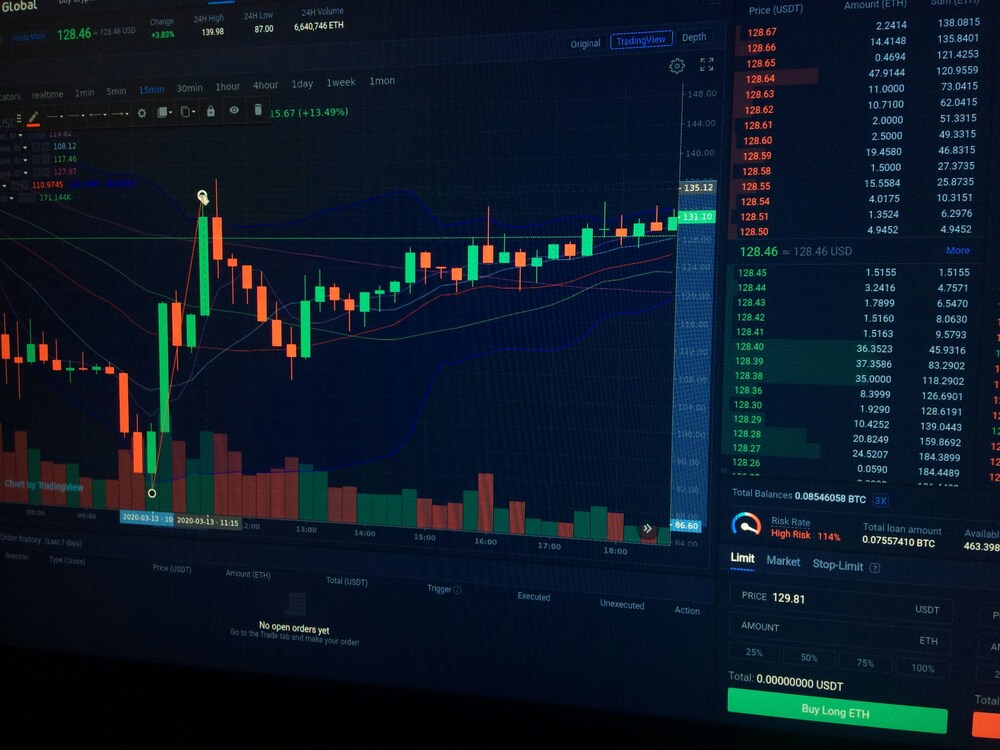
A bull market refers to a sustained period when stock prices trend higher over time. Investors often watch bull market indicators to determine whether the market rally is supported by strong fundamentals or driven mainly by short-term optimism.
Understanding reliable bull market signals can help investors evaluate market strength, identify sustainable trends, and manage risk more effectively.
Characteristics of Strong Bull Markets
Strong bull markets are usually supported by multiple economic and financial factors rather than a single catalyst. These conditions often create a positive environment for both corporate growth and investor confidence.
Some common characteristics include:
-
consistent upward trends in major stock indexes
-
improving corporate earnings growth
-
strong economic expansion and consumer activity
-
supportive monetary policy from central banks
-
increasing investor confidence without excessive speculation
In a healthy bull market, rising stock prices are typically supported by real improvements in business performance and economic conditions. Markets that rise purely because of speculation without strong earnings growth may become unstable over time.
Indicators of a Healthy Bull Market
Several indicators can help investors determine whether a bull market is sustainable and broadly supported.
Broad market participation
One of the most important bull market signals is broad participation across the market. This means that a large number of stocks and sectors are contributing to the rally instead of gains being concentrated in only a few companies.
Common measures of market participation include:
-
a rising advance-decline line
-
a large percentage of stocks trading above their moving averages
-
strength across small-cap, mid-cap, and large-cap stocks
When many stocks participate in a rally, it suggests stronger underlying economic momentum.
Strong sector leadership
Healthy bull markets typically feature strong leadership from sectors with powerful growth drivers.
For example, technology stocks often lead during innovation cycles, while consumer discretionary companies may outperform during periods of strong economic growth.
Sector leadership helps sustain a rally because it attracts investment capital into industries with strong earnings potential. Over time, leadership may rotate across sectors as economic conditions evolve.
Institutional buying signals
Institutional investors such as mutual funds, pension funds, and hedge funds manage large pools of capital. Their investment decisions can significantly influence market trends.
Signs of institutional accumulation may include:
-
rising trading volume during price increases
-
sustained inflows into equity funds and ETFs
-
accumulation patterns in technical price charts
Institutional buying often indicates long-term confidence in the market and provides liquidity that supports sustained price advances.
Stable market volatility
Volatility measures the degree of price fluctuation in the market. Healthy bull markets typically occur when volatility remains relatively stable rather than extremely high.
Indicators of stable volatility include:
-
moderate levels in the VIX volatility index
-
gradual price advances rather than sudden spikes
-
shallow and short-lived market pullbacks
Stable volatility encourages investor participation and supports long-term investment strategies.
Strong earnings growth
Corporate earnings growth is one of the most fundamental drivers of a sustained bull market. When companies consistently report rising revenue and profits, stock prices tend to follow.
Investors often monitor:
-
earnings per share (EPS) growth
-
revenue expansion across industries
-
positive earnings surprises
Strong earnings growth provides the fundamental justification for rising stock prices.
Supportive macroeconomic conditions
Bull markets often develop during periods of economic expansion. Key macroeconomic conditions that support bull markets include:
-
declining unemployment
-
stable inflation
-
rising consumer spending
-
accommodative monetary policy
When the broader economy is growing, corporate profits and investor confidence tend to improve.
Conclusion
Healthy bull markets are supported by multiple factors including strong earnings growth, broad market participation, institutional investment flows, and stable volatility. These indicators help investors determine whether rising stock prices reflect sustainable economic momentum.
By monitoring these bull market indicators, investors can better evaluate market strength and make more informed long-term investment decisions.
FAQ
What is a bull market indicator?
A bull market indicator is a signal that suggests stock prices are rising due to strong economic conditions, corporate earnings growth, or investor confidence.
Why is broad market participation important in a bull market?
Broad participation means many stocks and sectors are rising together, which indicates stronger and more sustainable market momentum.
Can a bull market occur during high volatility?
Yes, but healthy bull markets usually experience moderate and stable volatility rather than extreme price swings.
References
- Investopedia, What Is a Bull Market? Characteristics and Historic Bull Markets, 2026
- Nasdaq, 7 Signs of Bull Market Behavior, 2026