A block trade is a large transaction involving a significant number of shares executed between institutional investors. The block trade meaning usually refers to trades large enough that executing them in the open market could significantly move the stock price.
In block trades stocks, institutions such as hedge funds, pension funds, and asset managers often transact large positions privately to avoid disrupting the market. Because of their size, block trades can influence liquidity and sometimes signal major portfolio adjustments by large investors.
Understanding block trades helps traders interpret unusual trading activity and potential institutional participation.
What Is a Block Trade?
A block trade refers to a transaction involving a very large number of securities.
In most equity markets, a block trade is typically defined as:
-
10,000 shares or more, or
-
a trade with a total value of at least $200,000
The exact threshold may vary across exchanges. Because these trades are so large, executing them directly through the open market could cause large price movements.
To prevent this, institutions often negotiate block trades through specialized trading desks or alternative trading venues. These transactions are usually executed in a single transaction rather than multiple smaller trades.
Why Institutions Use Block Trades
Institutional investors frequently use block trades when adjusting large portfolios. Reasons include:
-
Reducing market impact when buying or selling large positions
-
Executing trades quickly without revealing full market intent
-
Maintaining price stability during large transactions
For example, if a large asset manager wanted to sell one million shares of a stock through the open market, the selling pressure could push the price downward. Instead, the institution may arrange a block trade with another buyer willing to take the entire position.
This allows both parties to complete the transaction efficiently.
How Block Trades Affect Market Liquidity
Block trades can influence market liquidity in several ways. When large positions are transferred between institutions, liquidity can temporarily increase if a counterparty absorbs the trade.
However, if block trades signal large institutional buying or selling interest, other market participants may react quickly.
For example:
-
A large buy block trade may indicate strong institutional demand.
-
A large sell block trade may signal portfolio rebalancing or risk reduction.
Because institutional orders are often much larger than retail orders, these transactions can affect overall market liquidity conditions.
Detecting Block Trades in the Market
Although many block trades are executed privately, traders can sometimes detect them through market data.
Signals may include:
-
unusually large trade prints on the tape
-
spikes in trading volume
-
large off-exchange transactions
-
dark pool activity
Financial data platforms often report block trades shortly after they occur. Institutional traders and analysts may monitor these trades to identify potential shifts in market sentiment.
However, block trades do not always indicate directional conviction. Some transactions simply reflect portfolio rebalancing between institutions.
Impact of Block Trades on Price Movement
The price impact of block trades depends on how the transaction is executed. If the trade is arranged privately and reported afterward, the immediate price impact may be minimal.
However, if large trades occur directly in the open market, they can influence price movements.
Possible effects include:
-
short-term volatility
-
rapid price adjustments
-
increased trading activity
In some cases, traders watch for follow-through after a block trade to determine whether institutional momentum may continue. Still, block trades should be interpreted carefully, as they may not always reflect a strong bullish or bearish signal.
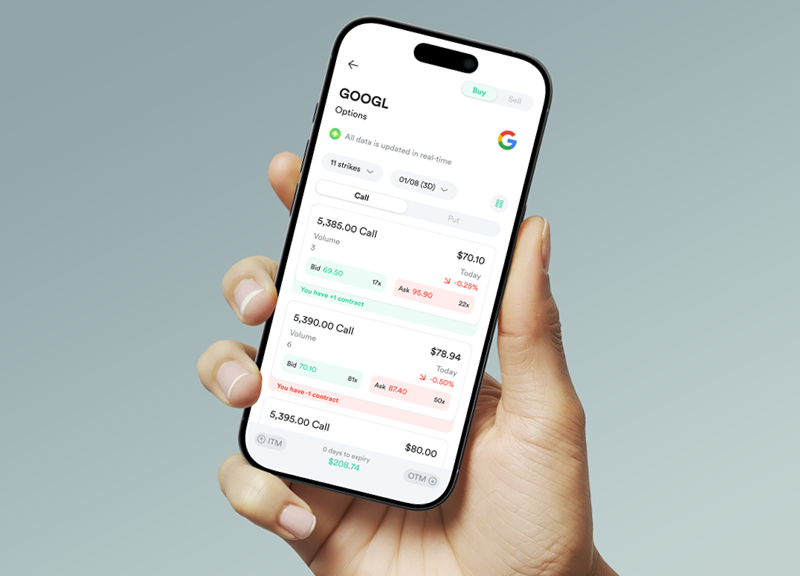
If you want to track large stock movements and monitor unusual trading activity, you can use Gotrade App to observe price trends and market developments across global stocks.
Conclusion
Block trades are large transactions typically executed by institutional investors to transfer significant positions without disrupting the market. These trades play an important role in maintaining liquidity and facilitating large portfolio adjustments.
While block trades can sometimes signal institutional activity, their impact on prices depends on market conditions and the context of the transaction.
Understanding block trades can help traders better interpret unusual volume and potential shifts in market dynamics.
FAQ
What is a block trade in stocks?
A block trade is a large transaction involving a substantial number of shares, usually executed between institutional investors.
Why are block trades done privately?
Private execution helps prevent large trades from moving market prices significantly.
Do block trades move stock prices?
Sometimes. If executed in the open market, large trades can influence short-term price movements.
References
-
Investopedia, Block Trade Explained: Definition, Process, and Market Impact, 2026.
-
Nasdaq, Block Trading: Definition and Strategic Insights, 2026.