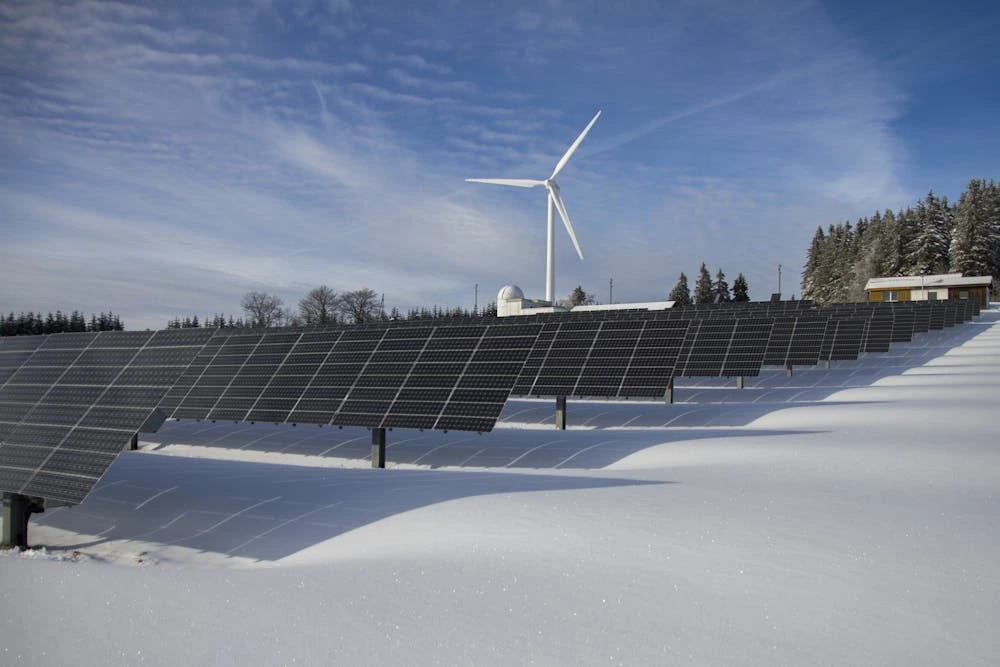
Investors betting on clean energy stocks in 2026 are navigating one of the most complicated policy environments the sector has ever seen. The solar and wind rally that defined 2023-2024 has cooled, but the opportunity hasn't disappeared.
The State of Clean Energy Policy
The Inflation Reduction Act's clean energy tax credits were the backbone of the sector's rally. That backbone is now cracking.
The "One Big Beautiful Bill Act" accelerated the phaseout of key tax credits, including Sections 45Y and 48E, for projects beginning construction after July 4, 2026. The 25D residential solar credit expired after 2025, and new Foreign Entity of Concern restrictions are cutting off Chinese supply chains for developers wanting to remain credit-eligible.
Tariffs compounded the pressure. Chinese solar imports now face duties of up to 3,404% through antidumping measures, while blanket 10% tariffs on all imports squeeze supply chains. The result is higher costs and a narrower margin of safety for investors.
The bright side: Deloitte projects renewables will account for 30-66 GW of annual additions between 2026 and 2030, and solar-plus-storage comprised 83% of all energy additions in 2025. AI data centers, EV adoption, and industrial reshoring are driving electricity demand to levels the grid wasn't built to handle.
Enphase Energy (ENPH): Microinverter Market Leader
Enphase Energy (ENPH) is the highest-margin solar stock in the peer group, with a gross margin of 54.12% versus the sector average closer to 30-40%. That margin profile reflects the company's software-driven hardware model: its microinverters don't just convert power, they manage and optimize home energy systems.
Q4 2025 earnings were a sign of recovery: EPS of $0.71 beat the $0.58 estimate, and U.S. sell-through demand rose 21% sequentially. The January 2026 launch of IQ9 Commercial Microinverters opens a fresh product cycle targeting the commercial rooftop segment.
The risk is concentration. Enphase is a high-beta play on U.S. residential solar sentiment, and the 25D tax credit expiration removes a direct consumer incentive. A shift toward third-party ownership models could slow installations as homeowners with no tax liability have less reason to own systems outright.
First Solar (FSLR): America's Solar Panel Manufacturer
First Solar (FSLR) is structurally different from every other solar stock, and that difference matters enormously in 2026.
First Solar is the only major solar panel manufacturer that is both U.S.-headquartered and manufactures exclusively in the U.S. and allied nations. That means it is essentially immune to the tariff storm hitting Chinese-dependent competitors. While rivals scramble to reroute supply chains, First Solar is receiving manufacturers' tax credits under Section 45X, getting paid to produce panels domestically.
The company entered 2026 with 54.5 GW in its backlog and 79.2 GW of potential booking opportunities. A new $1.1 billion AI-enabled facility in Louisiana launched in late 2025, and a South Carolina plant comes online in the second half of 2026.
With shares near $200.61 and gross margins of 40.88%, FSLR is the most defensible clean energy position in the current environment.
If you are evaluating how to size clean energy positions within a broader portfolio structure, the 60/40 portfolio strategy framework provides a useful baseline for balancing growth and stability across volatile sectors.
Wind Energy Plays: Vestas and NextEra Energy
Wind is facing steeper headwinds than solar in 2026. Offshore wind has absorbed multiple project cancellations due to rising costs and federal policy uncertainty. Onshore wind economics remain competitive, but the tax credit phaseout creates urgency to break ground before safe-harbor deadlines expire.
NextEra Energy (NEE) is the bellwether for U.S. wind investment. With a $190.4 billion market cap, NextEra operates the world's largest portfolio of wind and solar generation, locking in power purchase agreements years ahead of delivery. A dividend yield near 4.34% gives income investors an entry point into the energy transition without taking on pure-growth risk.
Vestas offers more direct wind exposure but comes with European-market concentration. For U.S.-focused investors, NextEra is the cleaner expression of wind energy at scale.
Risks and Catalysts for Clean Energy Investors
The risks are worth naming clearly. Policy reversals move faster than project timelines. Elevated interest rates compress the economics of capital-intensive projects. Chinese module oversupply is good for developers but punishing for manufacturers not named First Solar.
The catalysts are equally real. AI infrastructure is creating baseload demand that fossil fuels alone cannot meet in time. Goldman Sachs projects global solar installations will reach 914 GW by 2030. Any Fed pivot toward rate cuts would disproportionately benefit clean energy developers.
Stock selection matters far more now than when a rising tide lifted everything. For guidance on how to position during sector volatility, the market correction investing strategy guide is a useful starting point.
Conclusion
The solar and wind rally is not over. It has become more selective. First Solar's domestic manufacturing moat and Enphase's margin profile are the most durable positions in the sector. Wind exposure through NextEra adds income alongside energy transition upside.
The era of buying any clean energy ETF and winning is behind us. In 2026, investors who take the time to understand policy exposure, supply chain structure, and backlog visibility will be the ones who win.
FAQ
Is it still a good time to invest in clean energy stocks in 2026?
Yes, but stock selection matters more than ever given the policy shifts and tariff environment affecting different parts of the sector differently.
Why is First Solar considered safer than other solar stocks in 2026?
First Solar manufactures exclusively in the U.S. and allied nations, making it largely insulated from the tariffs hammering Chinese-dependent competitors.
What is the biggest risk for Enphase Energy stock in 2026?
The expiration of the 25D residential solar tax credit removes a key consumer incentive that had historically driven U.S. rooftop solar demand.
References: