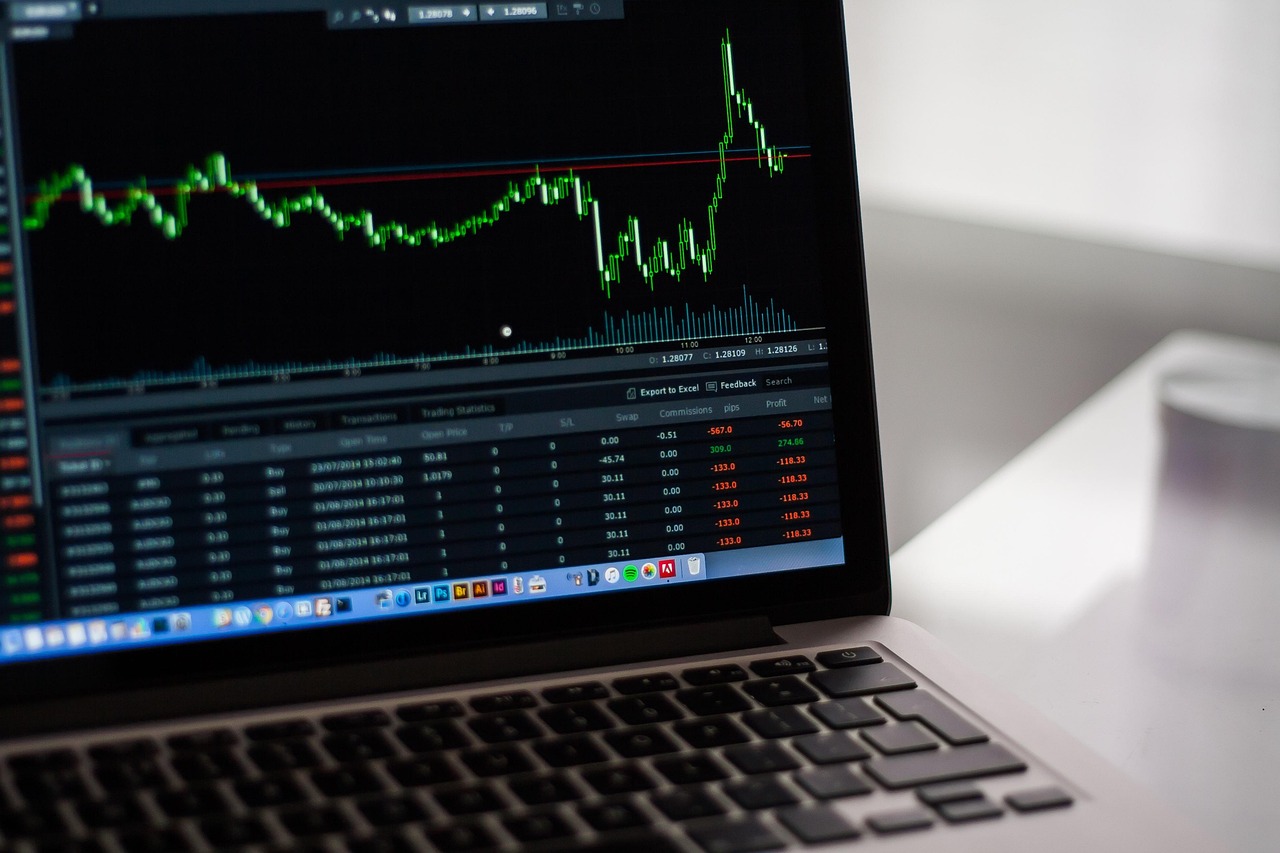
Reading a stock chart for the first time can feel intimidating. Lines move up and down, candles change color, and indicators crowd the screen. Many beginners assume charts are only for traders, but charts are simply a visual summary of price behavior.
Understanding how to read stock charts for beginners is not about prediction. It is about learning how price moves, how markets react, and how to place information into context before making decisions.
How to Read Stock Charts
A stock chart shows how price changes over time.
A chart plots price on the vertical axis and time on the horizontal axis. Each point or candle represents how the market valued a stock during a specific period.
Before looking for patterns or signals, it is important to understand the basic components.
Step 1: Choose the chart type
Most beginners start with candlestick charts. Candlesticks show open, high, low, and close prices in a clear visual format. This makes it easier to see momentum and sentiment compared to simple line charts.
Step 2: Select the timeframe
Timeframe defines how much time each candle represents. Daily charts show one trading day per candle and are ideal for beginners. Shorter timeframes move faster and contain more noise.
Step 3: Identify the price trend
Look at the general direction of price:
- If price is making higher highs and higher lows, the trend is up.
- If price is making lower highs and lower lows, the trend is down.
- If price moves sideways, the market is ranging.
Trend context matters more than individual candles.
Step 4: Observe support and resistance
- Support is an area where price repeatedly stops falling.
- Resistance is an area where price repeatedly stops rising.
These levels show where buyers or sellers tend to act. They help you understand where price may react again.
Step 5: Read candlestick behavior
Candles reflect buyer and seller interaction, for example:
- Large candles suggest strong conviction.
- Small candles suggest hesitation.
- Long wicks show rejection of certain price levels.
Do not memorize patterns. Focus on behavior.
Step 6: Add volume to confirm moves
Volume shows how many shares are traded. Strong price moves with high volume are more meaningful.
Weak moves with low volume often lack conviction. Volume helps confirm whether price movement is supported.
Step 7: Keep indicators minimal
Indicators are tools, not answers. Beginners should start with zero or one indicator.
Too many indicators create confusion and conflict. Price comes first, indicators come second.
Step 8: Zoom out regularly
Always look at a higher timeframe. This helps you see the bigger picture and avoid overreacting to small moves. Context reduces emotional decisions.
Common Mistakes When Reading Charts
Learning what to avoid is just as important.
Focusing on prediction instead of observation
Charts do not predict the future. They show what is happening now and what has happened before. Use charts to observe behavior, not to guess outcomes.
Overloading the chart
More lines do not mean more clarity. Clean charts improve understanding. Simplicity supports better decisions.
Ignoring market context
A stock does not move in isolation. Market conditions, sector behavior, and news all influence price. Charts should be read within a broader context.
Switching timeframes constantly
Changing timeframes mid-analysis creates confusion. Choose one primary timeframe and stick to it. Consistency improves learning.
Expecting immediate mastery
Chart reading is a skill. It improves through repetition and observation. Patience matters more than speed.
How Charts Fit Into Investing and Trading
Charts serve different purposes depending on style.
- Investors use charts to improve entry timing and avoid emotional buying.
- Traders use charts to manage risk, timing, and execution.
In both cases, charts provide structure, not certainty. Charts help turn emotions into visual information.
Conclusion
Learning how to read a chart for the first time is about understanding price behavior, not predicting outcomes. By focusing on trend, structure, support and resistance, candlestick behavior, and volume, beginners can read stock charts with more clarity and confidence.
Charts are not a shortcut to profits, but they are a powerful tool for discipline and context. Over time, consistent chart reading builds intuition and reduces emotional decision-making.
When exploring stocks or ETFs through the Gotrade app, practicing chart reading on higher timeframes can help you understand market behavior and make more informed investing or trading decisions.
FAQ
How do beginners read stock charts?
Beginners should start with daily candlestick charts and focus on trend, support, resistance, and volume.
Do I need indicators to read charts?
No. Indicators are optional and should come after understanding price behavior.
Are charts only for traders?
No. Investors also use charts to improve timing and manage emotions.
How long does it take to learn chart reading?
Chart reading improves gradually with consistent observation and practice.
Reference:
-
Investor's Business Daily, How to Read Stock Charts, 2026.
-
Charles Schwab, Charting Basics for Beginners, 2026.