Impulse spending is one of the most common behaviors that quietly undermines personal finances. It rarely feels harmful in the moment. A small purchase here or a quick upgrade there often feels justified, emotional, or harmless.
Over time, however, impulse spending creates friction between intention and outcome. Budgets stop working as planned, savings grow slowly, and financial goals feel harder to reach despite consistent effort.
Understanding impulse spending is not about eliminating enjoyment or control. It is about recognizing why certain spending decisions happen automatically and how they affect long-term financial stability.
What Is Impulse Spending?
Impulse spending refers to unplanned purchases made without prior intention or budgeting, often driven by emotion rather than necessity.
These purchases usually occur quickly, with little evaluation of trade-offs or long-term impact. The decision is driven more by feeling than by planning.
Impulse spending often shows up as:
-
Buying items not originally planned
-
Making purchases to improve mood or relieve stress
-
Responding immediately to discounts or promotions
-
Spending that feels justified emotionally but regretted later
Impulse spending is not about the size of the purchase. Even small, repeated impulse buys can significantly affect cash flow over time.
How Impulse Spending Happens
Impulse spending is rarely random. It follows predictable patterns rooted in behavior and environment.
- Emotional state, like stress, boredom, excitement, or frustration often lower resistance to spending.
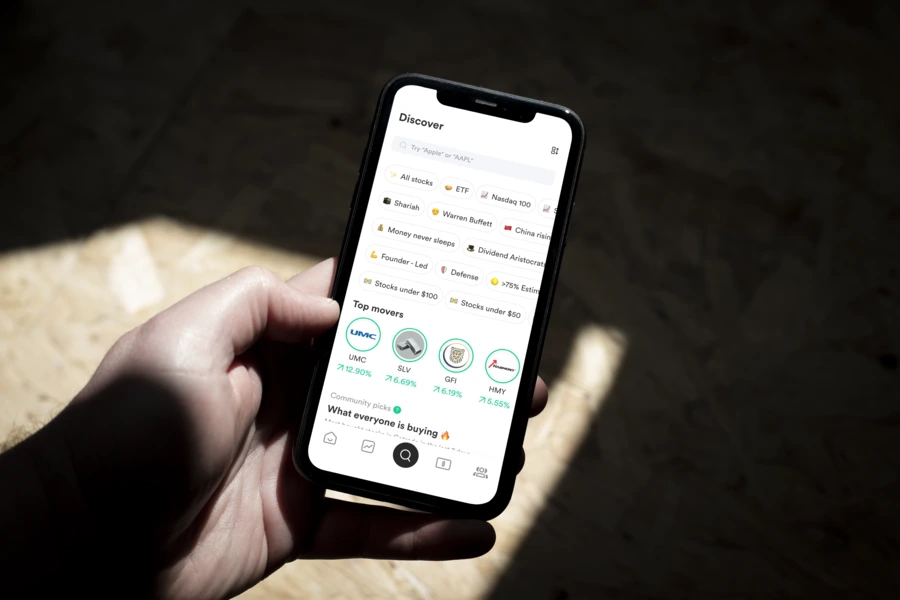
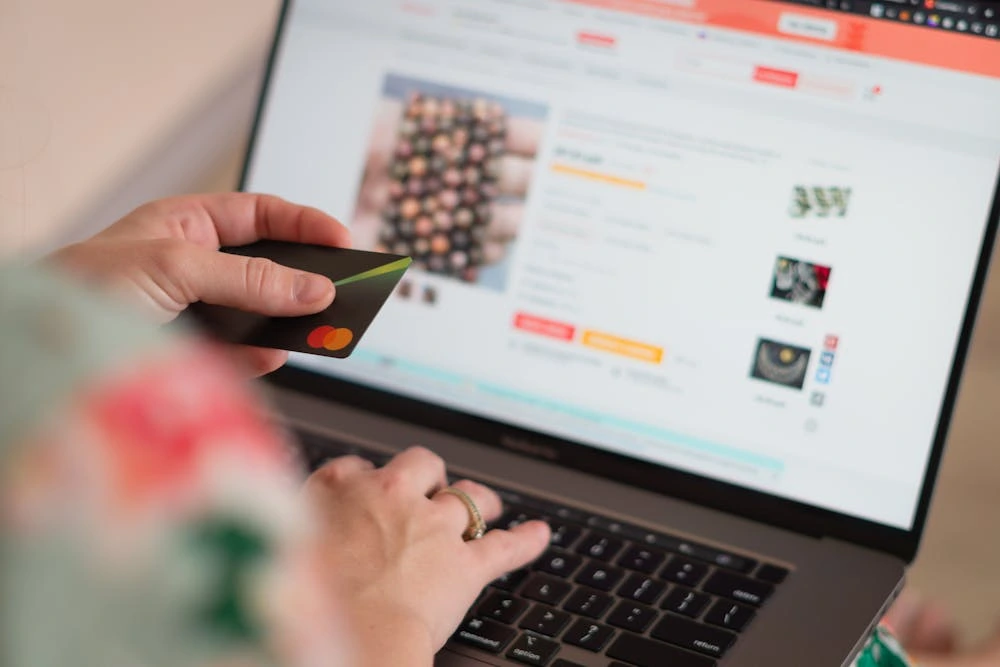
- Environmental cues also matter. Online shopping, one-click payments, limited-time offers, and targeted ads reduce friction and encourage immediate action.
- Impulse spending is reinforced by short-term reward. The brain associates spending with temporary relief or pleasure, even if the financial cost is delayed.
- Habit formation plays a role as well. Once impulse spending becomes a routine response, it requires conscious effort to interrupt.
Why Impulse Spending Matters?
Impulse spending matters because it directly impacts financial consistency. Even when income is stable, impulse purchases reduce the ability to save, invest, or build buffers. This creates a sense of working hard without visible progress.
Over time, impulse spending can:
-
Disrupt budgeting systems
-
Delay emergency fund growth
-
Reduce investable cash
-
Increase reliance on credit
Impulse spending also adds mental weight. Repeated small regrets compound into financial stress and frustration.
Importantly, impulse spending is not a discipline problem alone. It is often a structural issue caused by frictionless spending systems and emotional triggers.
Common Triggers of Impulse Spending
Impulse spending is usually activated by identifiable triggers.
Emotional triggers
Spending becomes a coping mechanism during stress, anxiety, boredom, or reward-seeking moments.
Social influence
Seeing others spend, upgrade, or display lifestyle changes can create pressure to keep up.
Sales and promotions
Discounts create urgency and distort perceived value, encouraging immediate action.
Convenience and frictionless payment
Saved cards, digital wallets, and buy-now-pay-later options remove natural pauses in decision-making.
Mental accounting gaps
When money is not clearly allocated, spending feels less consequential.
Recognizing personal triggers is more effective than relying on willpower alone.
Reducing Impulse Spending
Reducing impulse spending starts with slowing the decision process, not banning purchases outright.
One effective strategy is introducing friction. Waiting periods, spending limits, or manual transfers create time to reconsider.
Clarifying cash flow also helps. When spending categories are visible, impulse purchases feel more real.
Separating emotional states from financial decisions is critical. Avoid making spending decisions when stressed or emotionally charged.
Replacing impulse spending with alternative responses can be effective. Taking a break, going for a walk, or delaying action often reduces urgency.
Impulse spending is best managed through systems, not constant self-control.
Impulse Spending vs Intentional Spending
Impulse spending and intentional spending are defined by decision quality, not enjoyment.
| Aspect | Impulse Spending | Intentional Spending |
|---|---|---|
| Decision trigger | Emotion or external stimulus | Planning and conscious choice |
| Timing | Immediate | Deliberate |
| Budget alignment | Often outside budget | Aligned with budget |
| Emotional state | Reactive (stress, excitement, boredom) | Calm and considered |
| Visibility of trade-offs | Low | High |
| Long-term impact | Erodes savings and progress | Supports financial goals |
| Regret likelihood | Higher | Lower |
| Role in financial discipline | Weakens discipline | Reinforces discipline |
The goal is not to remove pleasure from spending, but to ensure spending reflects values rather than emotion alone.
Conclusion
Impulse spending is unplanned, emotion-driven purchasing that can quietly undermine financial progress. It is common, human, and predictable.
Understanding how impulse spending happens and why it matters allows individuals to design better systems rather than rely on discipline alone.
Reducing impulse spending does not mean restricting enjoyment. It means restoring alignment between spending decisions and long-term goals.
FAQ
What is impulse spending?
Impulse spending is unplanned purchasing driven by emotion rather than planning.
Is impulse spending always bad?
Not always, but frequent impulse spending can disrupt savings and financial goals.
How can impulse spending be reduced?
By adding decision friction, understanding triggers, and clarifying cash flow.
Does impulse spending cause financial stress?
Yes. Repeated impulse spending often contributes to ongoing financial pressure.
References
-
CNBC, Impulse Buying, 2026.
-
MoneyHelper, Psychology of Spending, 2026.