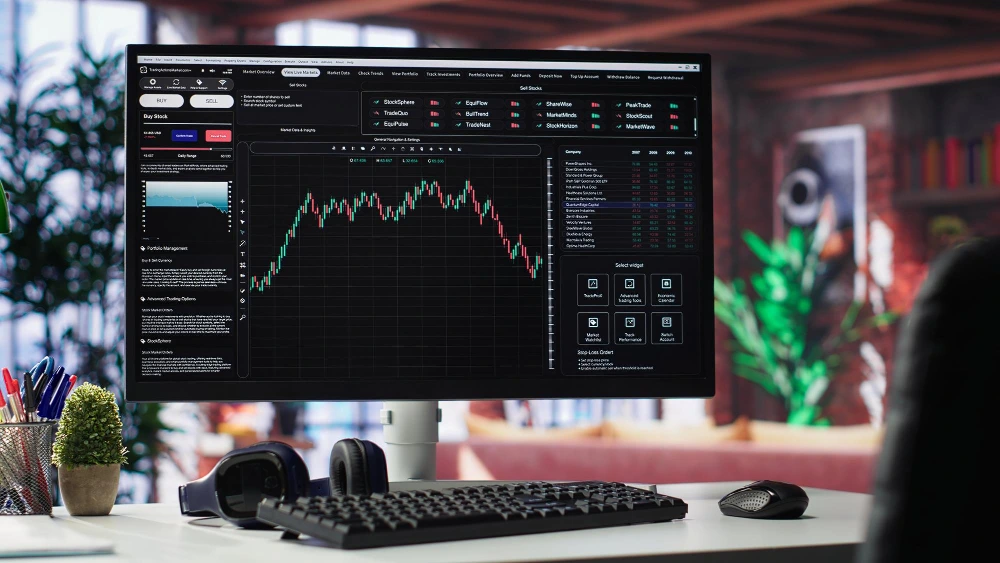
Markets rarely move in straight lines. Even strong trends pause, pull back, and then continue. Pullback trading is built around this idea. Instead of chasing price at new highs or lows, pullback traders wait for temporary retracements before entering.
Pullback trading is popular among both swing traders and trend followers because it offers clearer risk control and avoids emotional entries.
This guide explains pullback trading meaning, how pullback trading strategies work, and real examples of how traders apply them.
What Is Pullback Trading?
Pullback trading is a strategy that involves entering trades during a temporary price retracement within a larger trend.
In simple terms, it means buying a dip in an uptrend or selling a rally in a downtrend.
Pullback trading assumes that the main trend remains intact and that short term counter moves offer better entry points.
How Does Pullback Trading Work?
Pullback strategies follow a structured process.
1. Identify the primary trend
Traders first confirm whether the market is in an uptrend or downtrend using price structure or trend indicators.
2. Wait for a pullback
Instead of entering immediately, traders wait for price to retrace toward support levels, moving averages, or prior breakout zones.
3. Look for signs of continuation
Entries are often timed when the pullback slows and price shows signs of resuming the main trend.
4. Manage risk
Stop loss levels are usually placed beyond the pullback area to limit losses if the trend fails.
Pullback Trading Example
Imagine a stock in a clear uptrend, making higher highs and higher lows.
After rising from 50 to 70 dollars, the stock pulls back to 65. Buyers step in near this level, and price begins moving higher again.
A pullback trader may enter near 65, aiming to participate in the next leg of the uptrend while defining risk more clearly than chasing the move at 70.
Why Traders Use Pullback Trading Strategies
Better entry prices
Pullbacks offer entries closer to support, improving risk reward compared to chasing breakouts.
Clear risk management
Stops can be placed just beyond the pullback level, keeping losses smaller.
Reduced emotional pressure
Waiting for pullbacks helps traders avoid fear of missing out.
Works in trending markets
Pullback trading performs best when trends are well defined.
Risks of Pullback Trading
Pullback trading has its own challenges.
Mistaking reversals for pullbacks
Not all pullbacks continue. Some are the start of trend reversals.
Entering too early
Buying before a pullback completes can result in deeper drawdowns.
Weak trends
Pullback strategies struggle in sideways or choppy markets.
Overconfidence in trend strength
Assuming a trend will always resume can lead to losses if conditions change.
Pullback Trading vs Breakout Trading
Pullback trading and breakout trading approach trends differently.
-
Pullback trading enters during retracements
-
Breakout trading enters as price moves beyond key levels
Both strategies aim to capture trends, but pullback trading prioritizes price patience over speed.
How Traders Improve Pullback Trading
Traders often refine pullback strategies by:
-
Using multiple timeframes to confirm trends
-
Combining pullbacks with volume analysis
-
Avoiding pullbacks during major news events
Discipline and patience are key to consistent results.
Conclusion
Pullback trading focuses on entering trends during temporary price retracements rather than chasing momentum. When used in strong trends, it can offer better entries and clearer risk control.
Understanding the difference between healthy pullbacks and true reversals is essential for anyone using pullback trading strategies.
If you want to observe pullbacks and trends in real markets, you can explore US stocks through the Gotrade app. Fractional shares make it easier to practice entries, manage risk, and build experience step by step.
FAQ
What is pullback trading in simple terms?
Pullback trading means entering trades during temporary price retracements within a larger trend.
Is pullback trading suitable for beginners?
Yes, but beginners should focus on clear trends and strict risk management.
How do traders identify pullbacks?
Pullbacks are often identified using prior support levels, moving averages, or trend structure.
Does pullback trading work in sideways markets?
No. Pullback trading works best in trending markets.
Reference:
-
Capital.com, Pullback Trading Strategy, 2026.
-
Investopedia, Pullback, 2026.
Disclaimer
Gotrade is the trading name of Gotrade Securities Inc., which is registered with and supervised by the Labuan Financial Services Authority (LFSA). This content is for educational purposes only and does not constitute financial advice. Always do your own research (DYOR) before investing.