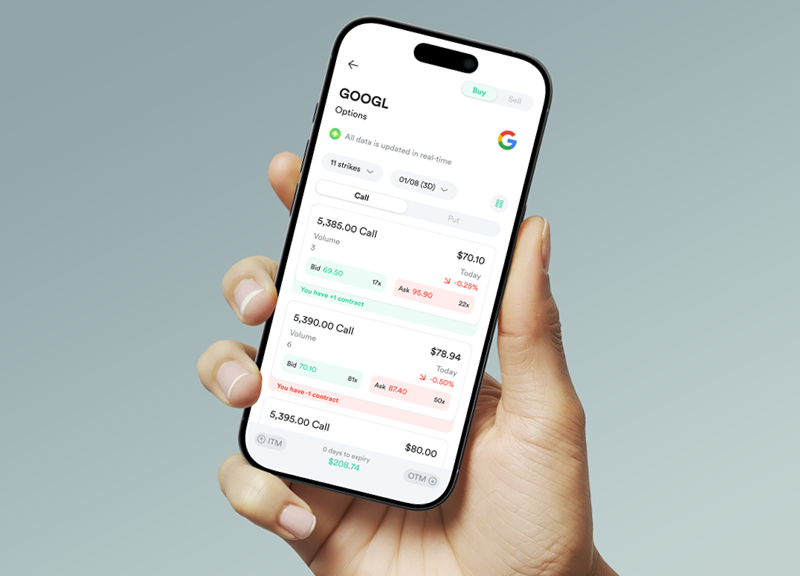


In options trading, options volume vs open interest are two important metrics that help traders understand market activity. Both indicators provide insight into how actively options contracts are being traded and how many positions remain open in the market.
While options volume measures how many contracts are traded during a specific period, open interest reflects the number of outstanding contracts that have not yet been closed or exercised.
Understanding the difference between these indicators can help traders interpret options trading signals, liquidity conditions, and market sentiment.
What Is Options Volume?
Options volume represents the number of options contracts that are traded during a specific time period, typically within a trading day.
Every time a contract is bought or sold, it contributes to the daily volume count. For example, if traders buy and sell 5,000 contracts of a particular option during the day, the options volume for that contract is 5,000.
Key characteristics of options volume include:
it resets at the start of each trading day
it reflects current trading activity
higher volume often indicates stronger market interest
Options with consistently high volume tend to be more liquid and easier to trade.
What Is Open Interest?
Open interest measures the total number of active options contracts that currently exist in the market. These contracts remain open because they have not been closed, exercised, or expired.
For example:
If a trader buys a new option contract and another trader sells it, open interest increases by one contract.
If an existing position is closed by both parties, open interest decreases.
Unlike volume, open interest does not reset daily. It changes only when new positions are opened or existing positions are closed. Open interest therefore reflects the overall size of the options market for a particular contract.
Differences Between Volume and Open Interest
Although both metrics relate to trading activity, they measure different aspects of the market.
| Feature | Options Volume | Open Interest |
|---|---|---|
| Measures | Contracts traded during a day | Total outstanding contracts |
| Timeframe | Daily activity | Ongoing positions |
| Reset Frequency | Resets every trading day | Changes only when positions open or close |
| Market Insight | Short-term trading activity | Market participation and positioning |
Volume shows how actively traders are buying and selling contracts today, while open interest indicates how many positions remain active in the market. Together, they provide a fuller picture of options activity.
What Rising Volume Signals
Increasing options volume can indicate rising interest in a particular contract or underlying stock.
Possible interpretations include:
growing speculation about future price movement
increased hedging activity by investors
reaction to news, earnings announcements, or macroeconomic events
However, high volume alone does not reveal whether traders are bullish or bearish. Volume only shows that significant trading activity is occurring.
Traders often analyze volume alongside price movements and other indicators to understand the underlying market sentiment.
How Traders Combine Both Indicators
Many traders analyze volume and open interest together to interpret options market behavior.
Some common observations include:
Rising volume and rising open interest
This combination often suggests that new positions are entering the market, indicating growing interest in the contract.
Rising volume with falling open interest
This can signal that traders are closing existing positions rather than opening new ones.
Low volume with high open interest
This may indicate existing positions remain open, but current trading activity is limited. By combining both indicators, traders gain a clearer understanding of whether market activity represents new speculation or simply the unwinding of older positions.
Conclusion
Options volume and open interest are two key indicators used to analyze options market activity. Volume measures how many contracts are traded during a specific period, while open interest tracks the total number of active contracts in the market.
By studying both metrics together, traders can gain insight into market participation, liquidity conditions, and potential trading signals in the options market.
FAQ
What is the difference between options volume and open interest?
Options volume measures the number of contracts traded during a specific period, while open interest measures the total number of outstanding contracts.
Why do traders monitor open interest?
Open interest helps traders understand how many positions remain active and whether new money is entering the market.
What does rising options volume indicate?
Rising volume usually signals increased trading activity and market interest in a particular options contract.
References
Investopedia, Options Volume vs Open Interest, 2026.
Market Rebellion, Insider's guide: how to trade unusual options activity, 2026.