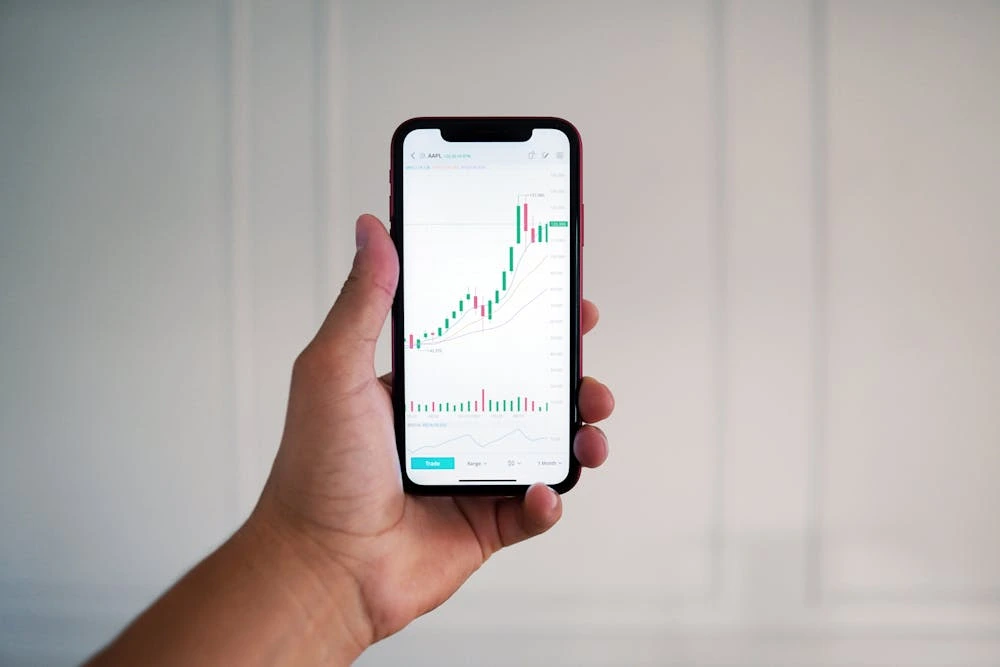
Markets do not move in straight lines forever. Even the strongest trends pause, slow down, or retrace. The term overbought is used to describe moments when price has moved so far, so fast, that buying pressure may no longer be sustainable in the short term.
Understanding overbought meaning helps traders reset expectations. Overbought does not automatically mean a market will crash or reverse. It signals imbalance, not destiny. Misinterpreting this distinction is one of the most common trading mistakes.
What Does Overbought Mean
Overbought describes a market condition where price has risen faster than recent historical norms, often driven by aggressive buying.
It reflects a temporary imbalance between buyers and sellers. Demand has pushed prices higher, but fewer participants remain willing to buy at increasingly elevated levels.
Overbought is a relative condition, not an absolute one. A market can stay overbought longer than traders expect, especially during strong trends.
Importantly, overbought is not a valuation judgment. It does not say an asset is expensive in fundamental terms. It only describes short-term price behavior.
Understanding this distinction helps traders avoid prematurely fading strong momentum.
How Overbought Conditions Form
Overbought conditions usually develop through a combination of market dynamics and trader behavior.
One common driver is momentum chasing. As prices rise, more traders enter out of fear of missing out, accelerating the move further.
Another factor is positive feedback loops. Breakouts attract technical traders, which attract algorithms, which attract more discretionary traders.
News events and earnings surprises can also compress buying activity into a short period, pushing prices rapidly beyond equilibrium.
Low liquidity environments can amplify overbought conditions. When fewer sellers are available, even modest buying can push prices disproportionately higher.
Overbought conditions form not because markets are irrational, but because crowded behavior concentrates action into narrow timeframes.
Common Overbought Indicators
Traders use technical indicators to identify overbought conditions, but these tools require context.
Relative Strength Index (RSI)
RSI is one of the most commonly used overbought indicators.
Readings above 70 are typically considered overbought. However, during strong trends, RSI can remain elevated for extended periods without price reversing.
RSI is most effective when combined with trend context and momentum analysis.
Stochastic Oscillator
The stochastic oscillator compares closing prices to recent ranges.
Values above 80 often signal overbought conditions. Like RSI, it works best in range-bound markets rather than strong trends.
Price extension from moving averages
Large deviations from key moving averages can signal overbought conditions.
However, strong trends naturally create extensions. Distance alone does not imply reversal.
Volume behavior
Diminishing volume during continued price increases can suggest exhaustion.
Conversely, strong volume confirms momentum even if indicators appear overbought.
If you want to improve signal quality, observing how indicators behave within broader trend structure often matters more than indicator levels alone. You can check the real-time data and trade on Gotrade Apps.
Risks of Trading Overbought Markets
Trading overbought markets carries specific risks, especially for traders who act mechanically.
The most common risk is early shorting. Many traders attempt to fade overbought conditions too soon, fighting momentum instead of waiting for confirmation.
Another risk is false confidence in indicators. Overbought readings can persist far longer than expected, leading to repeated losses.
There is also trend blindness. Treating every overbought condition as a reversal signal ignores the fact that trends exist because markets can stay imbalanced.
For long positions, chasing overbought markets introduces poor risk-reward profiles. Upside may be limited while downside expands if momentum stalls.
Overbought conditions increase risk, but they do not remove opportunity. The danger lies in misinterpreting what overbought actually signals.
Overbought vs Reversal
Overbought is a condition. Reversal is an event.
An overbought market can consolidate, drift sideways, or continue higher without reversing. A reversal requires confirmation through price structure, momentum breakdown, or failed continuation.
Common reversal confirmations include:
-
Lower highs after an extended move
-
Breakdown of key support levels
-
Momentum divergence combined with price rejection
Overbought conditions often precede reversals, but they do not cause them.
Understanding this distinction helps traders wait for evidence, not assumptions.
How Professionals Use Overbought Signals
Professional traders rarely trade overbought signals in isolation.
They use overbought conditions to:
-
Reduce position size
-
Tighten risk management
-
Delay new entries
-
Prepare for potential regime shifts
Overbought signals inform position management, not impulsive action.
This mindset shift separates disciplined trading from reactive trading.
Conclusion
Overbought describes a market condition where buying pressure has pushed prices beyond short-term balance. It signals heightened risk, not guaranteed reversal.
Understanding overbought meaning helps traders avoid premature exits, early shorts, and indicator-driven mistakes. Overbought conditions are best used as context, not commands.
Trading decisions improve when overbought signals are combined with structure, trend analysis, and confirmation rather than treated as standalone triggers.
If you want to practice reading overbought conditions within real market context, you can trade on Gotrade and monitor price behavior across global assets.
FAQ
What does overbought mean in trading?
Overbought means price has risen rapidly and may face short-term imbalance due to aggressive buying.
Does overbought mean price will fall?
No. Overbought signals risk, not certainty of reversal.
Which indicator is best for identifying overbought?
RSI is commonly used, but works best with trend context.
Can a market stay overbought for a long time?
Yes. Strong trends can remain overbought for extended periods.
References
-
Vantage, Overbought Definition, 2026.
-
Angel One, What Is Overbought, Meaning, Definition, 2026.