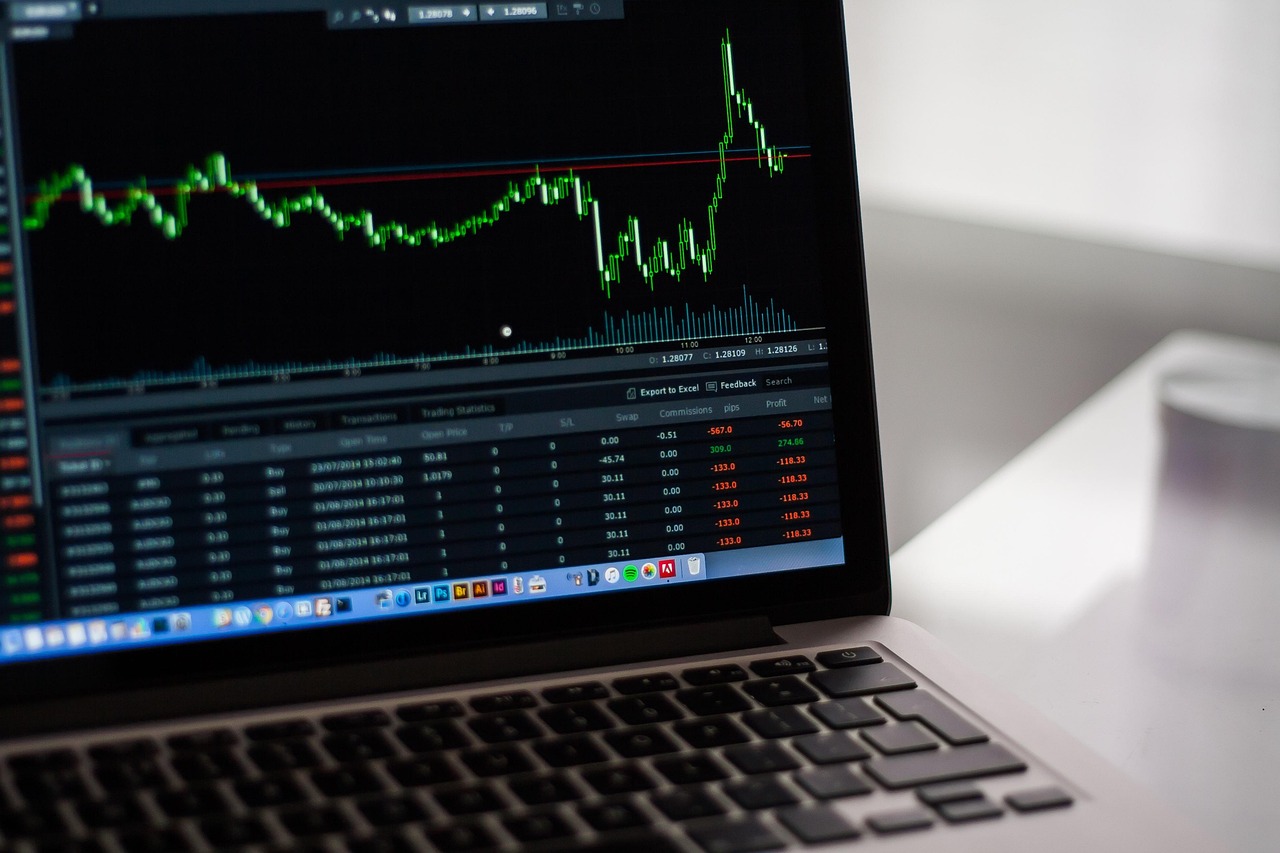
A shooting star is a candlestick pattern that appears after an upward price move and signals potential selling pressure near higher levels. It is identified by a small real body near the lower end of the candle and a long upper shadow. This structure shows that buyers pushed prices higher during the session, but sellers stepped in and forced prices back down before the close.
Understanding the shooting star candlestick helps traders and investors recognize moments when upward momentum may be weakening. While it does not confirm a reversal on its own, it highlights a shift in intraday control that becomes meaningful when viewed in context.
Shooting Star Candlestick Meaning
The shooting star reflects rejection of higher prices. Buyers attempt to extend the rally, but sellers regain control by the end of the session.
Key characteristics of a shooting star candlestick include:
-
A small real body near the session’s low
-
A long upper shadow, often at least twice the body length
-
Little to no lower shadow
The long upper wick represents failed upside continuation. The close near the open signals that sellers were able to absorb buying pressure.
Why the Shooting Star Matters?
Early warning of buying exhaustion
Shooting stars often appear when buying momentum begins to fade. Buyers are still active, but their ability to sustain higher prices weakens.
This exhaustion can precede consolidation or a reversal.
Seller response at higher prices
The pattern shows that sellers are willing to step in at elevated levels. This behavior suggests perceived overvaluation or profit-taking.
Context determines whether this response develops into sustained selling.
Sentiment shift rather than confirmation
A shooting star signals a shift in sentiment within a single session. It does not confirm trend change without follow-through.
Subsequent price action determines relevance.
Shooting Star in Market Context
After an uptrend
The shooting star is most informative after a clear uptrend. In this context, it suggests that bullish control may be weakening.
Without a prior advance, the pattern carries limited meaning.
Near resistance or prior highs
Shooting stars formed near resistance zones or recent highs tend to attract more attention. These areas often coincide with profit-taking.
Location strengthens interpretation.
Difference from an inverted hammer
A shooting star and an inverted hammer share a similar shape, but context differs. A shooting star appears after an uptrend and suggests potential weakness.
An inverted hammer appears after a downtrend and suggests potential stabilization.
Confirmation and Follow-Through
What confirms a shooting star
Confirmation typically comes from subsequent bearish price action, such as a lower close in the following session.
Without confirmation, the pattern may simply reflect temporary hesitation.
Role of volume
Higher volume during or after a shooting star adds weight to the pattern. It suggests broader participation in selling pressure. Low volume reduces reliability.
Managing false signals
Many shooting stars fail, especially in strong trends. Acting without confirmation increases risk.
Patience improves consistency.
Common Misinterpretations of Shooting Stars
Treating it as an automatic sell signal
A frequent mistake is selling immediately after a shooting star appears. The pattern indicates possibility, not certainty. Waiting for confirmation reduces false exits.
Ignoring trend strength
Strong uptrends can absorb shooting stars without reversing. Trend strength matters.
Context should guide expectations.
Overemphasizing candle symmetry
Perfect candle shape is less important than the story behind it. Focus on rejection of higher prices, not visual perfection.
Flexibility improves interpretation.
Shooting Star and Risk Awareness
Volatility near potential turning points
Shooting stars often form near turning points where volatility can increase. Price may fluctuate before direction becomes clear.
Position sizing helps manage uncertainty.
Observation before action
For many participants, a shooting star serves as an alert. It highlights areas worth closer monitoring.
Observation reduces impulsive decisions.
Long-term investor perspective
Long-term investors typically view shooting stars as short-term signals unless aligned with broader structural or fundamental changes.
Short-term patterns rarely override long-term theses.
When Shooting Stars Are Most Useful
Late-stage trend environments
Shooting stars are most informative when trends appear extended. Late-stage advances are more sensitive to selling pressure.
Context enhances relevance.
Higher timeframe patterns
A shooting star on a daily or weekly chart carries more weight than one on very short timeframes.
That is why, timeframe selection matters.
Combined with structure and participation
Using shooting stars alongside price structure, resistance levels, and participation improves insight. Context turns a candle into information.
Conclusion
A shooting star candlestick highlights rejection of higher prices and emerging selling pressure after an advance. Understanding the shooting star candlestick helps investors and traders recognize when bullish momentum may be weakening, without assuming immediate reversal.
The shooting star is best treated as a warning sign rather than a standalone signal. Its value lies in confirmation, placement, and broader market context.
To better understand how shooting star patterns behave across different assets and timeframes, reviewing candlestick structures alongside trend behavior and key levels through the Gotrade app can help build clearer insight into market sentiment and potential turning points.
FAQ
What is a shooting star candlestick?
A shooting star is a candlestick with a small body and long upper shadow that appears after an uptrend.
Does a shooting star guarantee a reversal?
No. It signals potential weakness but requires confirmation.
How is a shooting star different from an inverted hammer?
A shooting star appears after an uptrend, while an inverted hammer appears after a downtrend.
Is volume important when analyzing a shooting star?
Yes. Higher volume increases the pattern’s significance.
References
- Investopedia, Shooting Star Definition, 2026.
- Groww, Shooting Star Candlestick Pattern, 2026.