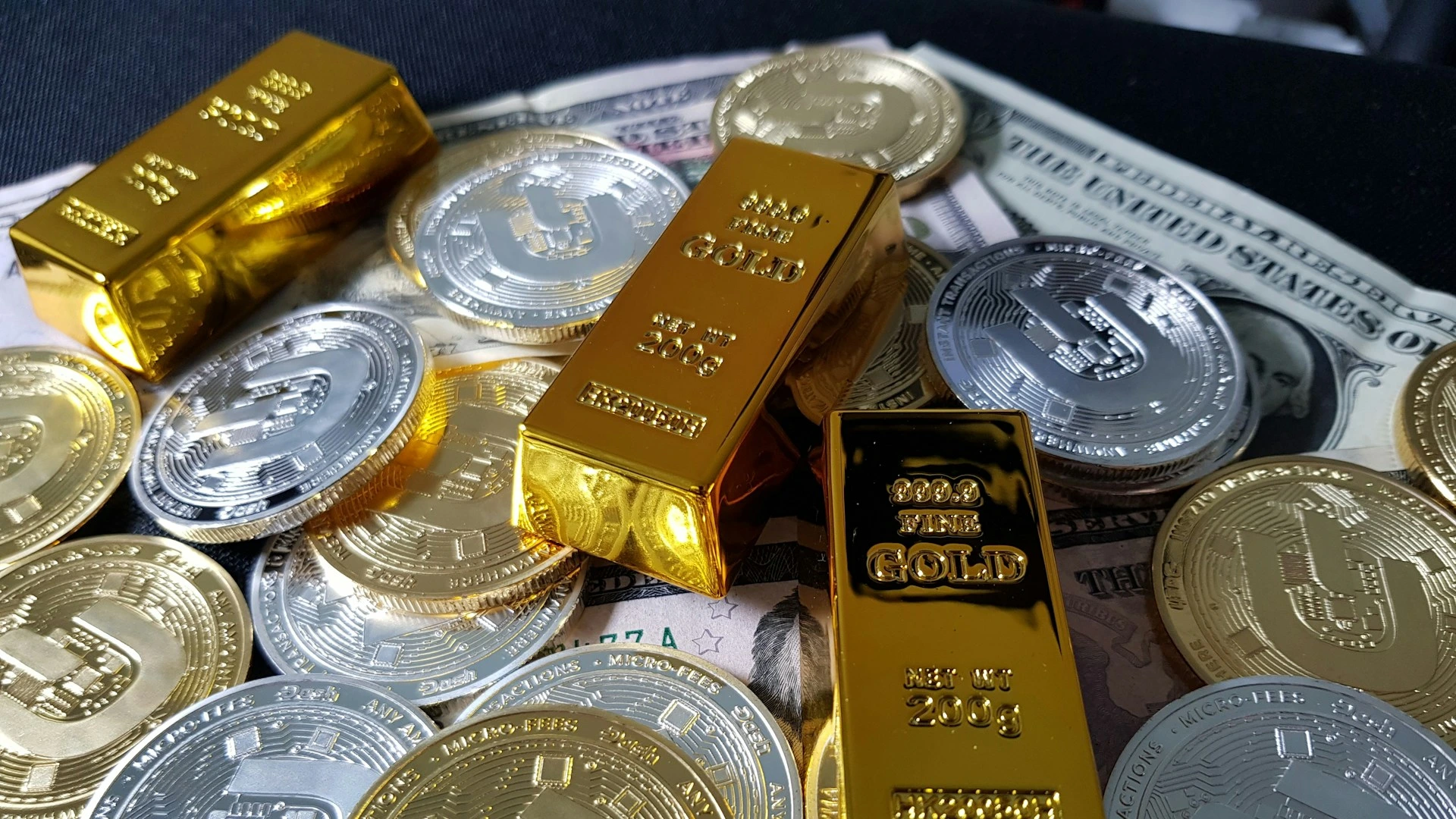
When investors compare silver vs gold, they are usually trying to answer a practical question: which metal better fits their portfolio?
Both precious metals have long histories as stores of value. Both are often discussed during periods of inflation, currency weakness, or economic uncertainty. However, silver vs gold investing involves important differences in volatility, industrial demand, and price behavior.
Understanding those differences helps investors make more structured decisions.
Understanding Silver and Gold as Investments
Gold is often viewed as a monetary metal, it has historically been used as:
-
A store of value
-
A hedge against inflation
-
A defensive asset during economic stress
Gold tends to attract demand during market uncertainty and geopolitical tension.
Silver, while also a precious metal, has a dual role. It functions as:
-
A monetary metal
-
An industrial metal used in electronics, solar panels, and manufacturing
Because of this industrial component, silver prices are influenced by both investor sentiment and economic activity.
In silver vs gold investing, gold is typically associated with stability, while silver often shows higher price swings.
Silver vs Gold: Key Differences
Although both metals move in response to inflation and currency trends, their characteristics differ.
Volatility
Silver is generally more volatile than gold.
Its smaller market size and industrial demand exposure can amplify price movements. Gold tends to move more steadily during periods of uncertainty.
Market size and liquidity
Gold has a larger global market and deeper liquidity.
Central banks hold gold reserves, which reinforces its role as a strategic asset.
Silver markets are smaller, which can result in sharper price swings.
Industrial demand
Silver has significant industrial applications.
Demand for solar energy, electronics, and manufacturing influences silver prices.
Gold’s demand is more concentrated in jewelry, investment, and central bank reserves.
Inflation sensitivity
Both metals are often considered inflation hedges.
However, gold typically responds more directly to monetary policy and currency movements, while silver may react to broader economic cycles.
These structural differences influence how each metal behaves during different market environments.
What Drives Silver vs Gold Performance
Several macroeconomic factors influence silver vs gold performance.
Interest rates
Rising interest rates can pressure both metals, as higher yields increase the appeal of income-generating assets.
Lower rates often support precious metal prices.
US dollar strength
Gold and silver are commonly priced in US dollars. A stronger dollar can make metals more expensive for foreign buyers, potentially reducing demand.
Inflation expectations
Higher inflation expectations often increase demand for precious metals as stores of value.
Industrial growth
Silver’s industrial role makes it sensitive to economic expansion or contraction.
Strong manufacturing growth may support silver demand. Gold performance, by contrast, is more closely linked to financial uncertainty and monetary conditions.
Understanding these drivers helps investors align metal exposure with macroeconomic outlook.
Risks of Investing in Silver and Gold
Precious metals carry specific risks.
Price volatility
Silver, in particular, can experience rapid price swings. Even gold can decline during periods of strong equity markets or rising interest rates.
No income generation
Unlike dividend-paying stocks or bonds, precious metals do not generate cash flow. Returns depend solely on price appreciation.
Market timing risk
Precious metals can remain flat for extended periods. Entering during periods of strong optimism may limit near-term upside.
Economic sensitivity
Silver’s industrial demand makes it vulnerable during economic downturns. Gold may perform better during financial stress but can lag during strong growth phases.
Recognizing these risks supports balanced allocation rather than concentrated exposure.
Choosing Between Silver and Gold
Choosing between silver and gold depends on your objectives and risk tolerance.
Gold may be more suitable if you:
-
Seek portfolio stability
-
Want exposure to a defensive asset
-
Focus on inflation hedging
Silver may be more suitable if you:
-
Are comfortable with higher volatility
-
Expect industrial demand growth
-
Seek potentially larger price swings
Some investors allocate to both metals to diversify within the precious metals segment.
The decision is not about which metal is superior. It is about which aligns better with your risk profile and economic expectations.
Conclusion
Silver vs gold investing involves understanding structural differences between two widely discussed precious metals. Gold is typically viewed as a stable store of value, while silver combines monetary appeal with industrial demand exposure.
Each responds differently to interest rates, inflation, and economic cycles.
By assessing volatility tolerance, macro outlook, and portfolio goals, investors can make a more informed choice between silver and gold.
FAQ
Is silver more volatile than gold?
Yes. Silver typically experiences larger price swings due to its smaller market size and industrial demand exposure.
Does gold perform better during economic uncertainty?
Gold often attracts demand during financial stress because of its role as a store of value.
Should I invest in both silver and gold?
Some investors allocate to both metals to balance stability and growth potential within the precious metals category.
References
-
Morgan Stanley, Gold vs Silver: 4 Key Differences, 2026.
-
JM Bullion, Gold vs Silver as Precious Metal Investment, 2026.