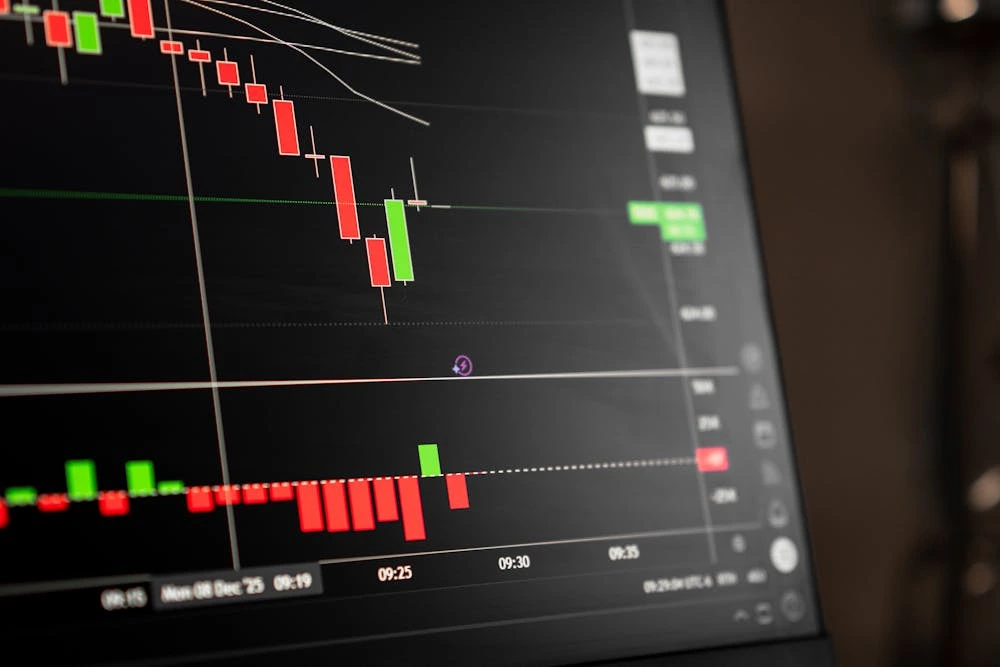
Stop losses are one of the most basic tools in trading, yet they are also one of the most misunderstood. Many traders see them as something to avoid, especially after getting stopped out a few times.
In reality, stop losses are not the problem. How they are used is the problem.
If you are looking for practical stop loss trading tips, the goal is not to avoid getting stopped out. It is to use stop losses correctly as part of a structured stop loss strategy that protects your capital and keeps your trading consistent.
7 Things You Should Know About Stop Losses
1. Stop losses will be hit, and that is normal
Many traders treat getting stopped out as a failure. It is not.
A stop loss simply means the market did not move as expected. Even strong setups fail, and even experienced traders get stopped out regularly.
Over time, a strategy is built on:
- a mix of winning and losing trades
- controlled losses
- consistent execution
Expecting to avoid stop losses completely often leads to bad habits, such as removing stops or widening them without reason.
2. Placement should follow market structure
A stop loss should not be placed randomly or based on how much you are willing to lose.
It should be placed where your trade idea is no longer valid. This usually means:
- below support for long positions
- above resistance for short positions
- beyond key structure levels or trend breaks
When stops are aligned with structure, they reflect logic, not emotion. This improves consistency and reduces unnecessary stop-outs caused by normal market noise.
3. Moving stop losses often increases risk
One of the most common mistakes is adjusting stop losses after entering a trade.
This usually happens when:
- price moves against the position
- the trader does not want to accept a loss
- emotions override the original plan
Moving a stop loss further away increases exposure. What was meant to be a small loss can turn into a much larger one.
In some cases, traders remove the stop entirely, which eliminates risk control completely.
A stop loss should be respected unless there is a clear, structured reason to adjust it.
4. Trading without a stop loss is dangerous
Some traders avoid stop losses to prevent being “taken out” by the market. While this may work occasionally, it introduces significant risk.
Without a stop loss:
- losses can expand quickly
- capital becomes exposed to large drawdowns
- decision-making becomes reactive
All it takes is one strong move in the wrong direction to create significant damage. Trading without a stop is not a strategy. It is unmanaged risk.
5. Stop losses protect capital, not profits
A stop loss is designed to limit downside, not to secure gains. This is an important distinction.
Many traders expect stop losses to:
- improve win rate
- guarantee profitable trades
- prevent all losses
That is not their function. Their role is to ensure that when a trade fails, the loss remains controlled. Over time, this allows profitable trades to outweigh losing ones.
6. Stop loss must work with position sizing
A stop loss cannot be viewed in isolation. It must be combined with proper position sizing.
For example:
- a tight stop with a large position can still create high risk
- a wide stop with a controlled position may be more manageable
This is why traders should always think in terms of total risk per trade, not just stop distance.
A structured approach includes:
- defining risk percentage per trade
- adjusting position size based on stop placement
- keeping risk consistent across trades
This creates stability, even when outcomes vary.
7. Getting stopped out can be useful feedback
A stop loss is not just an exit. It is also information. When a trade hits your stop, it tells you:
- your timing may be off
- your setup may not be valid
- market conditions may have changed
Instead of reacting emotionally, traders can use this feedback to improve.
Over time, reviewing stopped-out trades helps refine:
- entry timing
- setup quality
- risk management decisions
Losses are part of the process, but they can also be a source of improvement.
Why Stop Loss Matters in Trading
Every trade carries uncertainty. No matter how strong a setup looks, it can still fail. A stop loss exists to define that risk in advance.
Without a stop loss:
- losses can grow uncontrollably
- decisions become emotional
- one trade can damage the entire account
With a proper stop loss, you are not trying to avoid losses. You are controlling how much you lose when you are wrong.
Conclusion
Stop losses are not something to fear. They are one of the most important tools for survival in trading. By accepting that losses are part of the process and using stop losses correctly, traders can protect their capital and stay consistent over time.
The best stop loss trading tips focus on discipline, structure, and risk control. A well-executed stop loss strategy does not eliminate losses, but it prevents them from becoming unmanageable.
FAQ
Why do my stop losses get hit so often?
Because markets naturally fluctuate, and stops that are too tight or poorly placed can be triggered by normal price movement.
Should I ever move my stop loss?
Only if there is a clear, structured reason based on market conditions, not emotion.
Is it possible to trade without a stop loss?
It is possible, but highly risky and not recommended due to uncontrolled downside.
References
- Investopedia, Stop Loss Orders, 2026.
- CFA Institute, Risk Management in Trading, 2026.