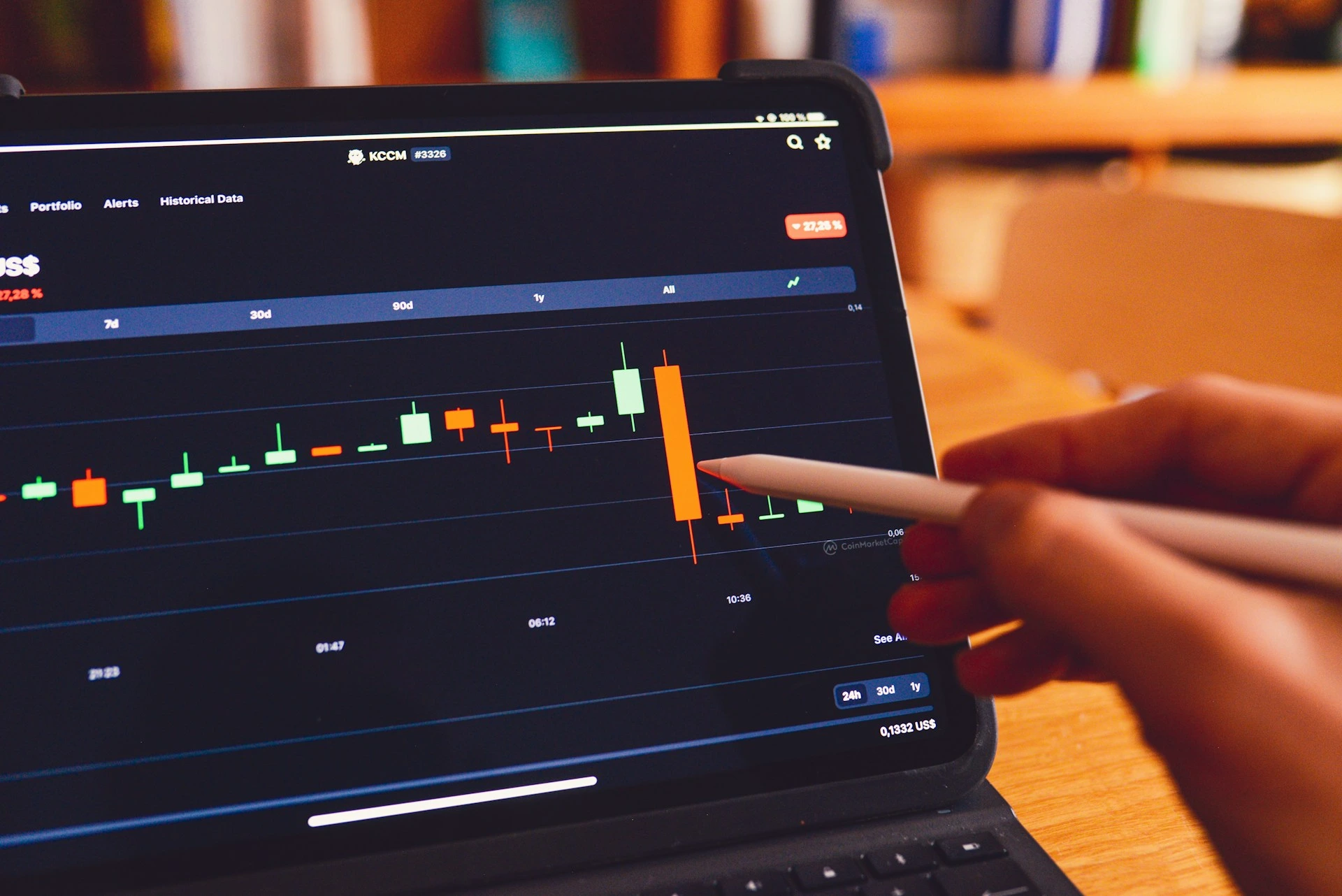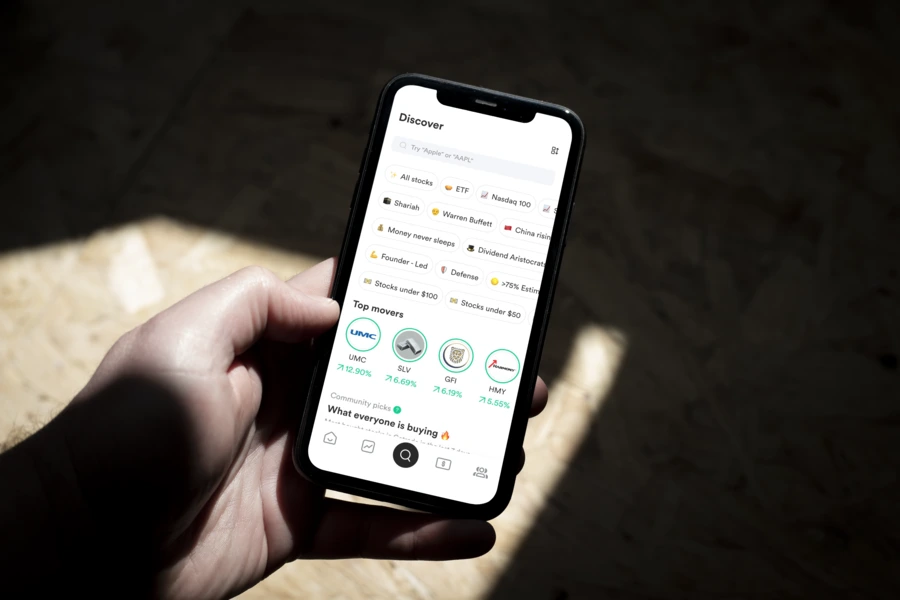
Trading looks simple from the outside. Buy low, sell high, repeat. But the reality is that most new traders lose money in their first year because they jump in without understanding how markets actually work.
Before you place your first trade, here are seven start trading tips that can save you from the most common beginner mistakes.
Trading Basics Every Beginner Needs
1. Trading is a probability game
There is no such thing as a guaranteed trade. Every position you take has a range of possible outcomes, and your job as a trader is to put the probabilities in your favor over a large number of trades.
Professional traders do not try to be right on every trade. They focus on having a positive expected value across hundreds of trades. Accepting uncertainty is the first trading basics lesson every beginner must internalize.
2. Risk management comes first
Most beginners focus on finding the perfect entry. Experienced traders focus on managing risk. The difference matters because even the best strategy will produce losing trades, and without proper risk management, a few bad trades can wipe out your account.
A simple rule to start with: never risk more than 1-2% of your total capital on a single trade. This ensures that no single loss can cause serious damage. Learning to trade in volatile markets starts with protecting your capital first.
3. Losses are unavoidable
Every trader loses money. The difference between successful and unsuccessful traders is not the absence of losses but how they handle them. Expecting drawdowns and planning for them is far more productive than trying to avoid them entirely.
A common beginner mistake is closing a strategy after three or four losing trades, assuming it is broken. In reality, even profitable strategies can have losing streaks of ten or more trades. This is normal.
4. Discipline matters more than strategy
You can find dozens of profitable trading strategies online. The hard part is executing any of them consistently. Discipline means following your rules even when your emotions tell you to do something different.
Most trading failures are not strategy failures. They are execution failures. The trader who follows a mediocre strategy with discipline will outperform the trader who constantly switches between great strategies.
5. Start with simple strategies
Beginners often gravitate toward complex setups with multiple indicators, timeframes, and conditions. This creates confusion and makes it harder to identify what is actually working.
Start with one market, one timeframe, and one or two indicators. For example, learning how the stochastic oscillator works on a single instrument gives you a clear framework to practice with. You can add complexity later once you have a foundation.
6. Emotional control is critical
Fear and greed will influence every trading decision you make. Fear causes you to exit winning trades too early. Greed causes you to hold losing trades too long. Both destroy performance.
The best defense against emotional trading is having a written plan before the market opens. When you know exactly what you will do in each scenario, you remove the need to make real-time emotional decisions.
7. Consistency takes time
Trading is a skill, and like any skill, it takes time to develop. Expecting to be profitable in your first month is like expecting to run a marathon after one week of training.
Most successful traders describe their first one to two years as a learning period. The goal during that time is not to make money but to build good habits, understand your psychology, and refine your process. Patience is the trading for beginners skill that nobody talks about.
Conclusion
Trading is not about finding a secret formula or timing the market perfectly. It is about understanding probabilities, managing risk, and building the discipline to execute consistently over time. Every point on this list is something that experienced traders wish they had understood from day one.
Start your trading journey with Gotrade App. Invest in US stocks and ETFs like SPY and VOO from as little as $1 using fractional shares.
FAQ
How much money do I need to start trading?
With platforms like Gotrade, you can start with as little as $1 through fractional shares. The key is to start small, focus on learning, and scale up only after you have a consistent process.
What is the biggest mistake beginner traders make?
Risking too much on a single trade. New traders often size their positions based on how confident they feel rather than following a fixed risk management rule, which leads to outsized losses early on.
How long does it take to become a profitable trader?
Most traders need one to two years of consistent practice before achieving reliable profitability. The timeline depends on how much time you dedicate to learning, journaling, and refining your strategy.
Sources
- Investopedia, Trading for Beginners: A Complete Guide, 2026.
- NerdWallet, How to Start Trading Stocks, 2026.