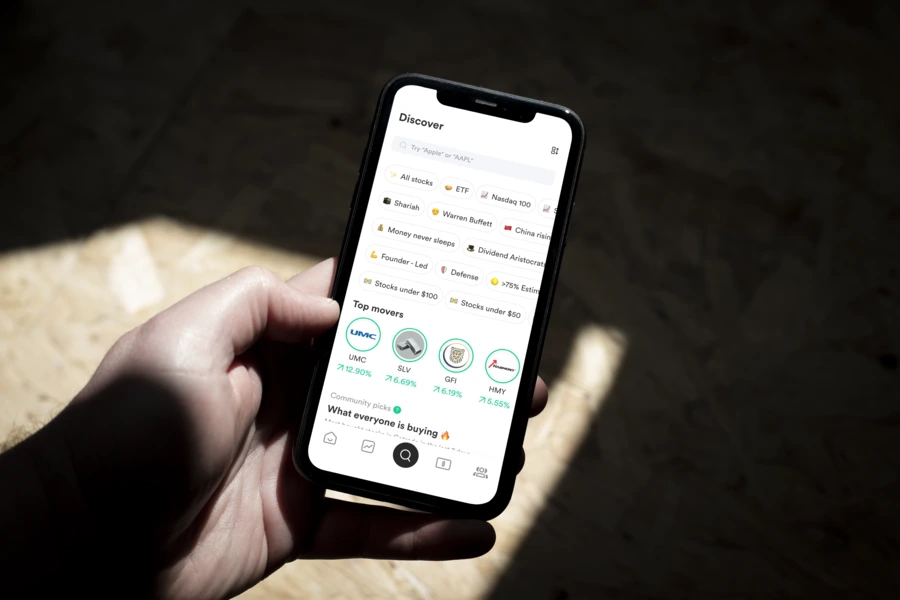
Money problems do not always appear as missed payments or declining balances. More often, they surface as constant worry, mental fatigue, or a feeling of being stuck. This experience is known as financial stress.
Financial stress is not limited to people with low income. It can affect anyone whose financial obligations, uncertainty, or lack of structure create ongoing pressure. Even people who earn well may feel stressed if their finances lack clarity or resilience.
Understanding financial stress is important because it influences not only money decisions, but also emotional health, productivity, and long-term planning.
What Is Financial Stress?
Financial stress is the emotional and psychological strain caused by financial pressure or uncertainty.
It occurs when individuals feel that their financial resources are insufficient, unpredictable, or poorly aligned with their responsibilities and goals. Financial stress is often associated with:
-
Difficulty meeting recurring obligations
-
Fear of unexpected expenses
-
Lack of savings or emergency buffers
-
Debt pressure
-
Uncertainty about the future
Unlike short-term money concerns, financial stress tends to persist. It stays present even during periods without immediate financial crisis.
How Financial Stress Happens
Financial stress usually develops gradually, not as a single event.
- One common cause is a growing mismatch between income and fixed expenses. When obligations increase faster than income, pressure builds quietly over time.
- Another major trigger is the absence of financial buffers. Without an emergency fund or savings cushion, even small unexpected expenses feel threatening.
- Lifestyle inflation also contributes. As income rises, spending often increases automatically, leaving little improvement in financial security despite higher earnings.
- Uncertainty plays a critical role. Not knowing how long financial strain will last or how recovery might look often creates more stress than the actual financial cost.
Why Financial Stress Matters
Financial stress matters because it directly affects decision quality and behavior. Under stress, people tend to prioritize short-term relief over long-term outcomes. This often leads to decisions that reduce future flexibility.
Key reasons financial stress matters include:
-
It increases reliance on high-interest debt
-
It disrupts saving and investing habits
-
It encourages reactive rather than strategic decisions
-
It reduces confidence in long-term planning
Financial stress also affects mental and physical health. Chronic financial pressure is linked to anxiety, burnout, sleep disruption, and reduced focus. Importantly, financial stress compounds itself. Poor decisions made under stress often create additional stress later.
Common Signs of Financial Stress
Financial stress often reveals itself through behavioral and emotional patterns rather than obvious financial failure.
Persistent worry about money
Money occupies a constant mental space, even when no bill is immediately due.
Difficulty concentrating or resting
Financial concerns interfere with sleep, focus, or work performance.
Avoidance of financial tasks
Bills, account balances, or financial conversations are postponed or ignored.
Emotional spending or extreme restriction
Some respond to stress by overspending for relief, others by excessive restriction driven by fear.
Feeling stuck despite stable income
Income may be steady, but progress feels impossible due to obligations or uncertainty. Recognizing these signals early makes financial stress easier to address before it escalates.
Managing Financial Stress
Managing financial stress starts with clarity, not perfection.
a. The first step is understanding cash flow. Knowing what is fixed, what is flexible, and where money actually goes reduces uncertainty. Building even a modest emergency fund can dramatically reduce stress by restoring options and time.
b. Addressing fixed expenses also matters. Reducing structural commitments improves flexibility far more than cutting small discretionary costs alone.
c. Behavioral strategies are equally important. Separating long-term decisions from emotional reactions helps restore control.
Managing financial stress is not about eliminating all risk. It is about rebuilding predictability and confidence one step at a time.
Financial Stress vs Financial Discipline
Financial stress and financial discipline are often confused.
| Aspect | Financial Stress | Financial Discipline |
|---|---|---|
| Core driver | Pressure and uncertainty | Planning and structure |
| Decision style | Reactive and short-term | Proactive and long-term |
| Emotional state | Anxiety, worry, mental fatigue | Calm, clarity, confidence |
| Financial behavior | Avoidance or impulsive actions | Consistent, rule-based actions |
| Time horizon | Immediate relief focused | Long-term goal oriented |
| Impact on planning | Disrupts saving and investing | Supports consistency |
| Relationship with risk | Fear-driven or ignored | Managed intentionally |
| Sustainability | Draining over time | Reinforcing over time |
The goal of personal finance is not rigid control, but reduced stress through better systems.
Conclusion
Financial stress is the emotional strain caused by financial pressure or uncertainty. It affects decisions, health, and long-term progress.
Understanding how financial stress happens and why it matters helps shift behavior from reactive to intentional. Reducing financial stress is less about earning more instantly and more about building structure, buffers, and clarity.
Financial stability begins when uncertainty is replaced with control.
FAQ
What is financial stress?
Financial stress is emotional strain caused by financial pressure or uncertainty.
Can financial stress affect mental health?
Yes. Prolonged financial stress can contribute to anxiety, burnout, and reduced focus.
Does higher income eliminate financial stress?
Not always. Structure and obligations matter more than income alone.
How can financial stress be reduced?
By improving cash flow clarity, building emergency savings, and managing fixed expenses.
References
-
Canada.ca, Financial Stress and its impacts, 2026.
-
U.S Bank, Financial Stress, 2026.