Order flow is one of the most direct ways traders attempt to understand what is really happening behind price movements. Instead of focusing only on charts or indicators, order flow looks at the actual buying and selling activity driving the market. For many traders, this provides a clearer view of supply, demand, and short-term market intent.
Understanding what is order flow in trading helps traders see why price moves, not just where it has moved.
What is Order Flow in Trading?
Order flow refers to the real-time flow of buy and sell orders entering the market.
It reflects how aggressively buyers and sellers are acting at different price levels. When buyers dominate, price tends to move higher. When sellers dominate, price tends to move lower.
Order flow trading attempts to read this imbalance as it happens.
Order flow vs traditional technical analysis
Traditional technical analysis relies on historical price and indicators.
Order flow focuses on current market activity. It looks at who is trading, how much they are trading, and how aggressively orders are being executed.
This makes order flow more reactive and short-term in nature.
How Order Flow Works
Order flow comes from how orders interact in the market.
Market orders and limit orders
Market orders execute immediately at the best available price.
Limit orders rest in the order book and wait to be filled at a specific price. Order flow analysis looks at how market orders consume these limit orders.
Aggressive market orders often signal urgency and intent.
Buying pressure vs selling pressure
Order flow compares the volume of buy orders hitting the ask versus sell orders hitting the bid.
If more volume is transacting at the ask, buyers are in control. If more volume hits the bid, sellers are dominant.
This imbalance helps explain short-term price direction.
Price movement and absorption
Sometimes large limit orders absorb aggressive buying or selling.
When price fails to move despite strong order flow, it can signal hidden supply or demand. This behavior is closely watched by order flow traders.
Key Components of Order Flow Trading
Order flow trading relies on several core elements.
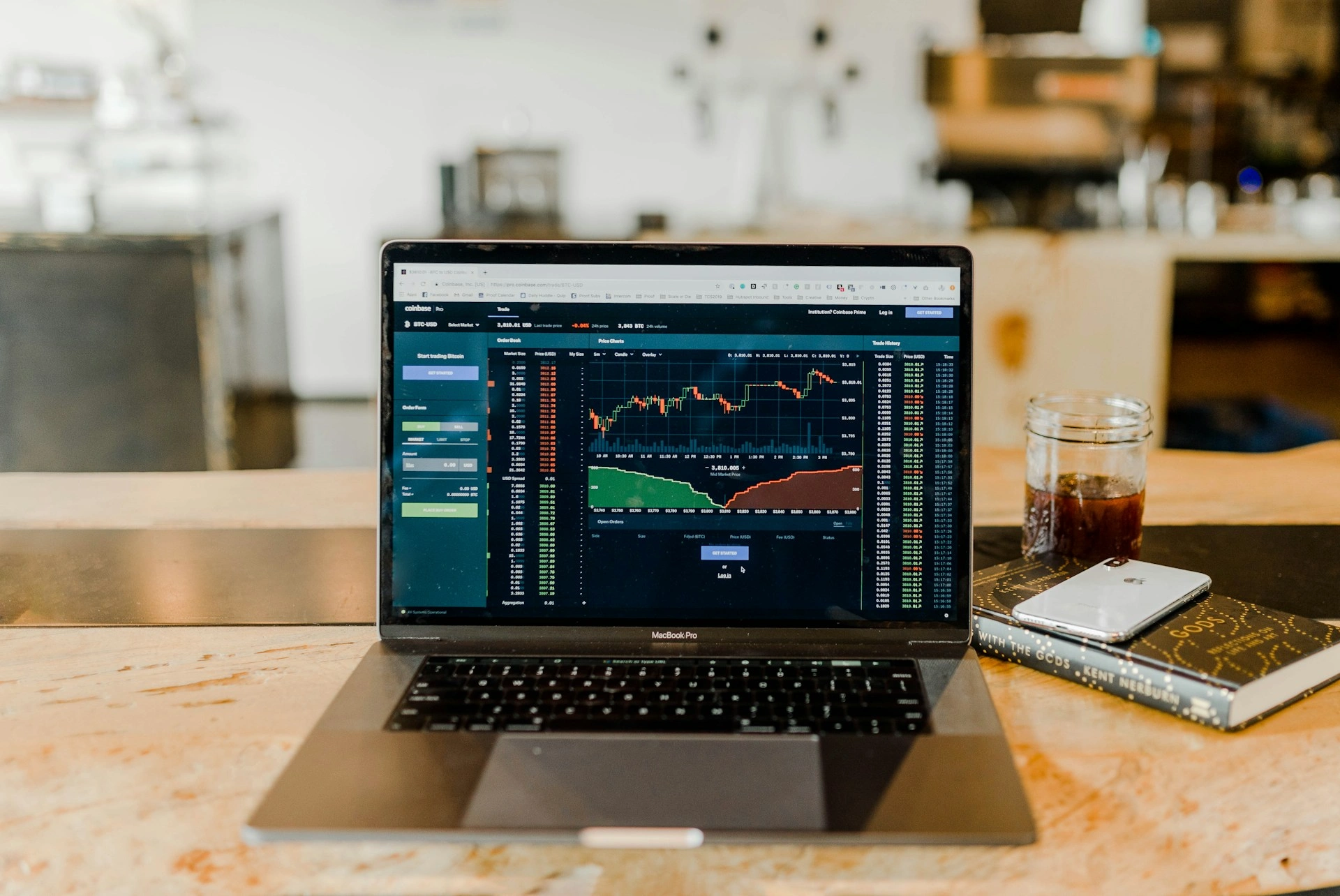
Order book (Level 2 data)
The order book shows pending buy and sell orders at different price levels.
It reveals where liquidity is concentrated and where price may stall or accelerate.
Changes in the order book often precede price movement.
Time and sales (trade tape)
Time and sales data shows executed trades in real time.
It displays trade size, price, and whether the trade occurred at the bid or ask. This helps traders see aggression and momentum as it develops.
Volume at price
Volume at price shows how much trading occurs at each price level.
High volume nodes indicate areas of agreement, while low volume areas often see faster price movement.
Liquidity and imbalance
Order flow traders pay close attention to liquidity gaps and imbalances.
These areas often act as magnets or rejection zones for price.
Benefits of Order Flow Trading
Order flow offers unique advantages.
Real-time market insight
Order flow reflects current market behavior, not past patterns.
This allows traders to react to what participants are doing right now.
Better trade timing
Order flow can help refine entries and exits.
Traders may use it to confirm breakouts, pullbacks, or reversals.
Understanding failed moves
When price fails to follow through, order flow often explains why.
Seeing absorption or sudden shifts in aggression can prevent poor trades.
Complement to other strategies
Order flow works well alongside price action, support and resistance, or trend strategies.
It adds depth rather than replacing other tools.
Limitations and Risks of Order Flow Trading
Order flow is powerful, but not simple.
High learning curve
Reading order flow takes time and practice.
Data can move quickly, and misinterpretation is common among beginners.
Market noise
Not all order flow signals are meaningful.
Short-term fluctuations can create false signals, especially in low-liquidity environments.
Not predictive on its own
Order flow shows current behavior, not future outcomes.
It works best when combined with context such as trend, structure, and key levels.
How to Maximize Order Flow Trading
Using order flow effectively requires structure.
Combine order flow with context
Order flow is most useful near key price levels.
Support, resistance, liquidity zones, and trend direction provide context that improves signal quality.
Focus on quality, not quantity
Watching every tick can be overwhelming.
Many traders focus on specific signals such as large imbalances, absorption, or sudden shifts in aggression.
Manage risk strictly
Order flow does not eliminate losses.
Small position sizes and predefined risk limits are essential, especially given the short-term nature of order flow trading.
Match order flow to your timeframe
Order flow is best suited for short-term trading.
Trying to apply it to long-term investing often leads to confusion and overtrading.
Order Flow Trading vs Other Trading Styles
Order flow fits specific trader profiles.
Compared to indicator-based trading
Indicators smooth data but lag price.
Order flow shows raw activity, offering faster feedback at the cost of more noise.
Compared to price action trading
Price action focuses on candles and structure.
Order flow explains what is happening inside those candles.
Many traders combine both approaches.
Conclusion
Order flow trading focuses on the real-time interaction between buyers and sellers. By understanding what is order flow in trading and how orders drive price movement, traders gain deeper insight into market behavior beyond traditional charts.
While order flow requires skill, discipline, and context, it can improve timing, explain failed moves, and enhance existing strategies when used correctly.
If you are actively trading and want to observe how volume and liquidity interact with price, using the Gotrade app to monitor real-time price movement alongside volume can help you better connect order flow concepts with actual market behavior.
FAQ
What is order flow in trading?
Order flow is the real-time flow of buy and sell orders that shows how buyers and sellers interact in the market.
Is order flow trading suitable for beginners?
It has a steep learning curve and is usually better suited for intermediate traders.
Does order flow work in all markets?
It works best in liquid markets where order data is reliable.
Can order flow replace technical analysis?
No. It is most effective when combined with other forms of analysis.
Reference:
-
Optimus Futures, Order Flow Trading, 2026.
-
CMC Markets, Order Flow Guide, 2026.