

When traders look at a market, two terms often come up together: volume and liquidity. They are closely related, but they are not the same thing. Confusing the two can lead to poor execution, unexpected slippage, and misreading market conditions.
Understanding the difference between volume vs liquidity helps traders and investors judge how easy it is to enter or exit positions and how reliable price movements really are.
This guide explains volume vs liquidity in clear terms, with practical examples of how each one affects real trades.
What Is Volume?
Volume refers to the total number of shares, contracts, or units traded during a specific period of time.
In simple terms, volume tells you how much trading activity has occurred.
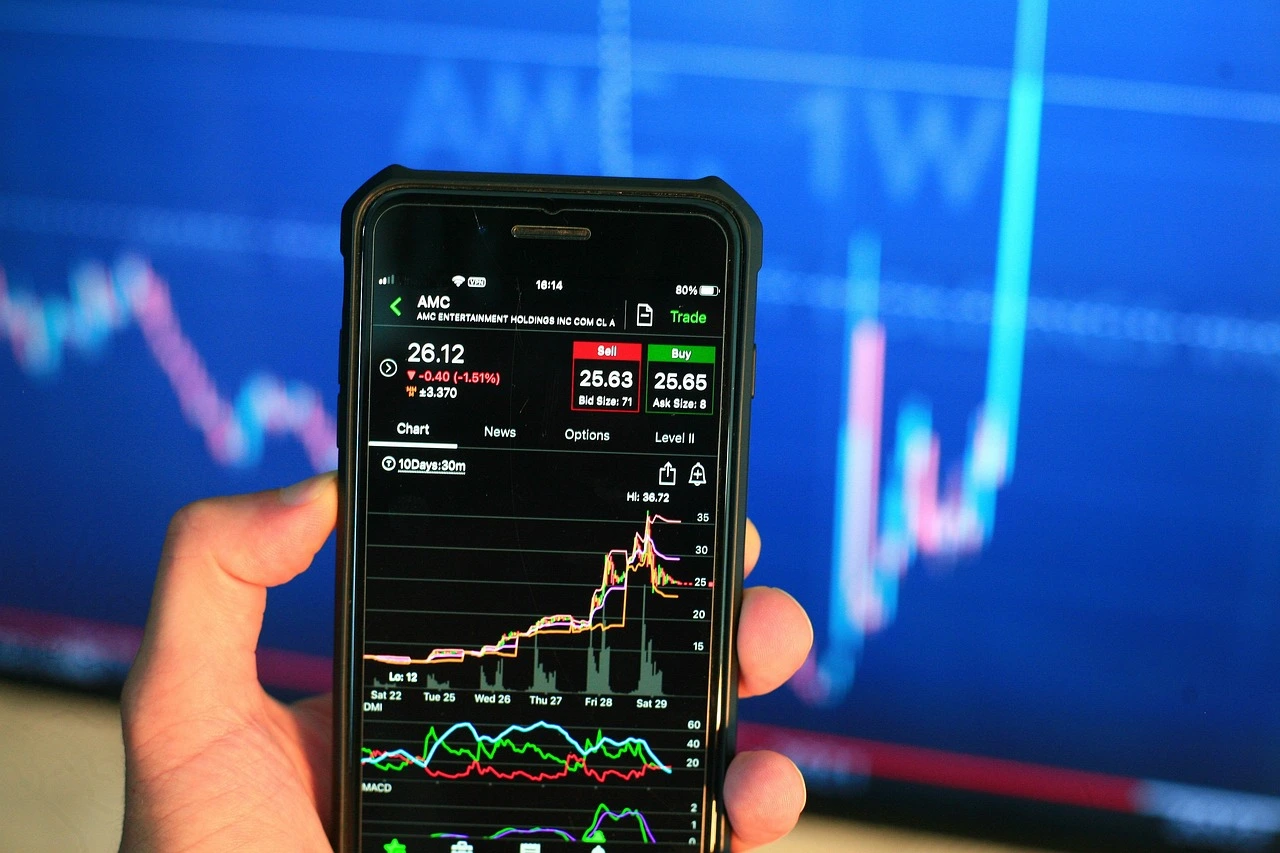
If a stock trades 5 million shares in one day, its daily volume is 5 million. Volume is usually shown as bars below a price chart and updates continuously as trades happen.
What Is Liquidity?
Liquidity refers to how easily an asset can be bought or sold without causing a significant change in price.
In simple terms, liquidity tells you how smooth and efficient trading is.
A highly liquid stock has:
-
Many buyers and sellers
-
Tight bid ask spreads
-
Minimal price impact when trades are executed
Liquidity is not shown as a single number. It is inferred from factors like spreads, market depth, and execution quality.
Volume vs Liquidity Explained
Although volume and liquidity are related, they measure different aspects of the market.
- Volume measures activity
Volume tells you how much has been traded over a period of time.
- Liquidity measures ease of trading
Liquidity tells you how easily trades can be executed at stable prices.
- High volume does not always mean high liquidity
A stock can trade large volume overall but still have poor liquidity at certain price levels or moments.
- High liquidity does not require constant high volume
Some assets remain easy to trade even during quieter periods because orders are well distributed across price levels.
This distinction is why volume vs liquidity is an important comparison for traders.
Volume vs Liquidity Example
Imagine two stocks.
Stock A:
-
Daily volume: 10 million shares
-
Tight bid ask spread
-
Deep order book
Stock B:
-
Daily volume: 2 million shares
-
Wide bid ask spread
-
Thin order book near the current price
Stock A has both high volume and high liquidity. Trades can be executed easily with little price impact.
Stock B still has reasonable volume, but lower liquidity. Even moderate trades may move the price, especially during fast market conditions.
This is why traders look beyond volume alone.
Why Liquidity Matters More Than Volume in Trading
It affects execution price
Liquidity determines how close your fill price is to what you see on the screen. Poor liquidity often leads to slippage.
It reduces transaction costs
Higher liquidity usually means tighter spreads, which lowers trading costs over time.
It limits price impact
In liquid markets, larger orders can be absorbed without pushing prices sharply higher or lower.
It matters during volatility
Liquidity often dries up during news or panic selling. This is when execution risk increases the most.
How Traders Use Volume and Liquidity Together
Volume and liquidity work best when analyzed together.
Traders often use volume to:
-
Confirm price moves
-
Identify active trading periods
-
Spot unusual market interest
They use liquidity to:
-
Decide position size
-
Choose order types
-
Time entries and exits more carefully
A price move supported by strong volume and good liquidity is generally more reliable than one supported by volume alone.
Limitations
Neither volume nor liquidity tells the full story on its own.
- Volume does not show where orders are placed.
- Liquidity can change quickly during fast markets.
- Both can be distorted during news events or outside regular trading hours.
This is why traders combine volume, liquidity, price structure, and risk management rather than relying on a single metric.
Conclusion
Volume shows how much trading activity has occurred. Liquidity shows how easily trades can be executed without moving the price. While related, they answer different questions.
Understanding volume vs liquidity helps traders avoid poor execution, manage risk, and better interpret market behavior.
If you want to observe volume and liquidity in real time, you can explore US stocks through the Gotrade app. Fractional shares make it easier to practice reading market conditions and execute trades with smaller amounts.
FAQ
What is the main difference between volume and liquidity?
Volume measures how much is traded. Liquidity measures how easily trades can be executed without affecting price.
Can a stock have high volume but low liquidity?
Yes. A stock can trade large volume overall but still have thin order books at certain price levels.
Which matters more for traders, volume or liquidity?
Liquidity usually matters more for execution quality, while volume helps confirm market interest.
Do long term investors need to care about liquidity?
Yes. Liquidity affects entry and exit prices, especially for larger positions.
Reference:
-
Corporate Finance Institute, Volume vs Liquidity, 2026.
-
Wall Street Oasis, Liquidity vs Trading, 2026.
Disclaimer
Gotrade is the trading name of Gotrade Securities Inc., which is registered with and supervised by the Labuan Financial Services Authority (LFSA). This content is for educational purposes only and does not constitute financial advice. Always do your own research (DYOR) before investing.