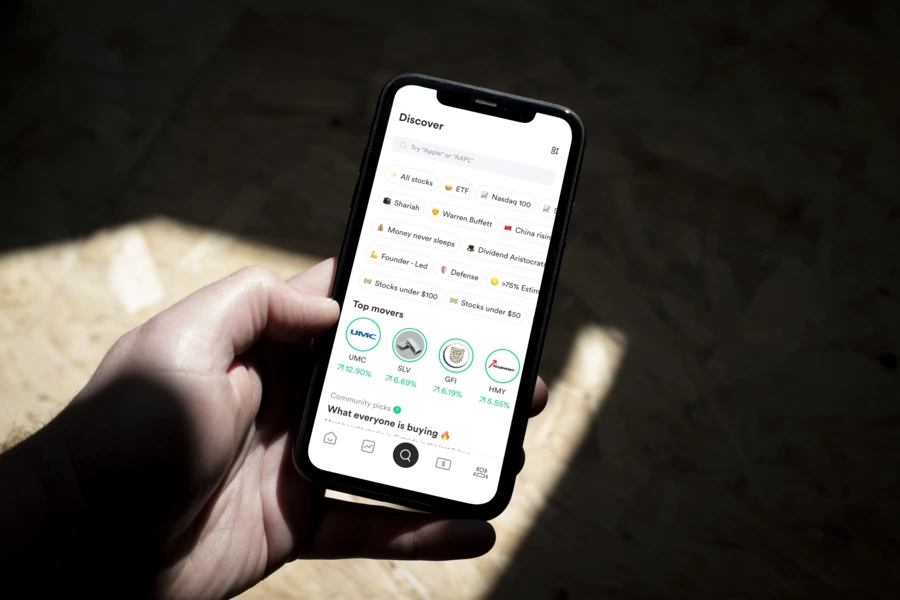
Before you can buy your first stock or ETF, you need somewhere to do it. That place is called a brokerage account.
Understanding the brokerage account meaning is one of the first steps toward becoming an investor. Here is what it is, how it works, and what to watch out for before opening one.
What Is a Brokerage Account?
A brokerage account is a type of investment account that allows you to buy and sell financial assets such as stocks, ETFs, bonds, and mutual funds.
You open the account with a licensed brokerage firm, deposit money, and use those funds to invest in the financial markets.
Unlike a bank account, a brokerage account is not designed for everyday spending. It is built specifically for investing. The money you deposit can go up or down in value depending on how your investments perform.
Brokerage accounts are available to individual investors, and many platforms today allow you to open one online in just a few minutes.
Brokerage Account vs Savings Account
Many first-time investors wonder how a brokerage account differs from a regular savings account. Both hold your money, but they serve very different purposes.
| Brokerage Account | Savings Account | |
|---|---|---|
| Purpose | Investing in markets | Storing money safely |
| Returns | Market-dependent | Fixed or variable interest |
| Risk | Yes, value can decrease | Very low |
| Access | Buy and sell assets | Deposit and withdraw cash |
| Protection | Varies by jurisdiction | Often government insured |
A savings account is designed for safety and liquidity. A brokerage account is designed for growth through investing. The potential returns are higher, but so is the risk.
For long-term financial goals like building wealth over time, many investors use both, a savings account for short-term needs and a brokerage account for long-term investing.
How a Brokerage Account Works
Opening and using a trading account is straightforward once you understand the basic flow.
Opening an account
You apply with a brokerage firm, provide personal identification, and agree to the platform's terms. Most online brokerages complete verification within a few hours to a few days.
Depositing funds
Once your account is active, you transfer money from your bank account. This is called funding your account. Most platforms support bank transfers, and some also accept other deposit methods.
Placing trades
With funds in your account, you can search for stocks, ETFs, or other assets and place buy or sell orders. You choose the order type, the number of shares, and confirm the trade.
Holding and monitoring
After buying, your assets are held in your brokerage account. You can track their performance, receive dividends, and decide when to sell.
Withdrawing funds
When you sell an asset, the cash from the sale returns to your account balance. You can then withdraw it back to your bank account or reinvest it.
Fees and Costs to Watch
Not all brokerage accounts are the same when it comes to costs. Understanding the fee structure before you open an account can save you money over time.
Commission fees
Some brokerages charge a fee every time you buy or sell an asset. Many modern platforms have moved to zero-commission trading for stocks and ETFs, but it is worth confirming before you sign up.
Spread
Even on zero-commission platforms, brokerages may earn revenue through the spread, which is the difference between the buy price and the sell price. A wider spread means you are effectively paying more to enter and exit trades.
Currency conversion fees
If you are investing in foreign markets, such as US stocks from outside the United States, your brokerage may charge a fee to convert your local currency into US dollars. This can add up over multiple transactions.
Inactivity fees
Some platforms charge a fee if your account is inactive for a prolonged period. Always check the fee schedule before opening an account.
Withdrawal fees
Transferring money out of your brokerage account back to your bank may also come with a fee depending on the platform.
Being aware of these costs helps you choose the right platform and avoid unnecessary charges that reduce your overall returns.
How Investors Use Brokerage Accounts
A brokerage account is a flexible tool that supports many different investing approaches.
Long-term investing
Many investors use their trading account to build a long-term portfolio of stocks and ETFs, holding positions for years or even decades. This approach benefits from compounding returns over time.
Dividend investing
Some investors focus on dividend-paying stocks. The dividends are paid into the brokerage account and can either be withdrawn or reinvested to buy more shares.
Fractional investing
Many modern brokerages allow you to buy fractional shares, meaning you can invest in high-priced stocks with a small amount of money. This makes it easier for beginners to build a diversified portfolio even with limited capital.
The Gotrade App is a trading account that gives investors access to US-listed stocks and ETFs, including fractional share investing, designed for investors across Southeast Asia and beyond.
Conclusion
A brokerage account is the foundation of your investing journey. It is where you deposit money, buy and sell assets, and grow your portfolio over time.
Understanding the brokerage account meaning, how it differs from a savings account, and what fees to watch for will help you start on the right foot. Choosing the right platform and keeping costs low are two of the most important decisions a new investor can make.
FAQ
What is a brokerage account?
A brokerage account is an investment account that allows you to buy and sell financial assets such as stocks, ETFs, and bonds through a licensed brokerage firm.
Is a brokerage account safe?
It depends on the platform and jurisdiction. Reputable brokerages are regulated and follow investor protection standards. Always check that your brokerage is properly licensed before depositing funds.
What is the difference between a brokerage account and a trading account?
The terms are often used interchangeably. A trading account is simply another name for a brokerage account where you can actively buy and sell investments.
References
- Capital, What Is Brokerage Account and How to Open One?, 2026.
- Vanguard, What Is A Brokerage Account and How Does It Work, 2026.