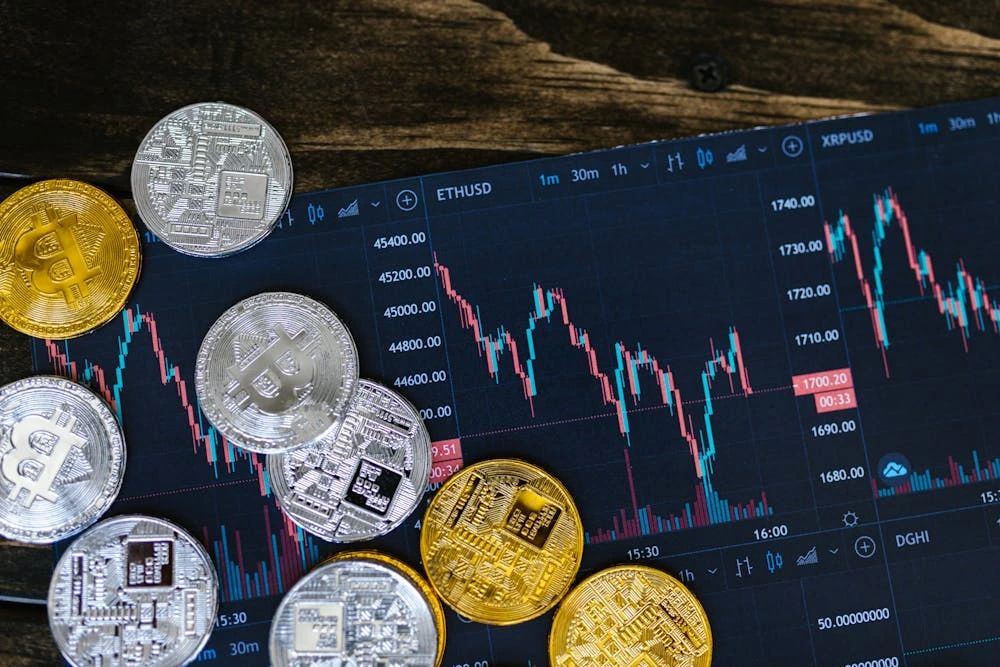
A thin market refers to a market condition where there are relatively few buyers and sellers actively trading an asset. Because participation is limited, prices can move sharply even with small trades. Thin markets are common in certain stocks, assets, or time periods and often come with higher risk and uncertainty.
Understanding thin market meaning helps investors and traders recognize why prices sometimes behave erratically. Thin market trading environments are not inherently bad, but they require greater awareness of liquidity, execution, and volatility risks.
Thin Market Definition and Core Concept
A thin market is a market with low trading volume and limited liquidity. This means there are fewer orders available at each price level, making it harder to buy or sell without affecting price.
In a thin market:
-
Small orders can cause large price changes
-
Bid-ask spreads are often wider
-
Execution prices may differ from expectations
Thin markets contrast with liquid markets, where high participation allows large trades to be absorbed with minimal price impact.
Why Thin Markets Exist
Limited participation or interest
Some assets naturally attract fewer participants. Small-cap stocks, niche ETFs, or specialized commodities often trade in thinner markets due to lower investor interest.
When fewer participants are willing to trade, liquidity decreases and price sensitivity increases.
Time-based market thinness
Markets are not equally liquid at all times. Thin market trading conditions often appear:
-
Outside main trading hours
-
During holidays or shortened sessions
-
Around major announcements when participants step back
Even highly liquid assets can temporarily become thin during these periods.
Asset-specific constraints
Certain assets have structural limitations. Shares with low float, restricted ownership, or regional exposure may trade thinly regardless of market conditions.
In these cases, thinness is tied to supply constraints rather than sentiment.
Characteristics of a Thin Market
Wide bid-ask spreads
One of the most visible signs of a thin market is a wide bid-ask spread. With fewer competing orders, buyers and sellers quote prices further apart.
This increases transaction costs and reduces execution efficiency.
High price sensitivity to orders
In thin markets, prices react quickly to trades. A single large order can move prices significantly because there are not enough opposing orders to absorb it.
This makes price action less stable and more prone to spikes.
Increased volatility without new information
Thin markets can be volatile even in the absence of news. Price movement may reflect order imbalance rather than changes in fundamentals.
This volatility is often misleading and does not always signal a genuine shift in value.
Unreliable short-term price signals
Technical patterns and indicators tend to be less reliable in thin markets. Signals may appear strong but fail due to lack of follow-through.
This environment increases the likelihood of false breakouts and reversals.
Thin Market Trading Risks and Implications
Execution and slippage risk
Thin market trading increases the risk of slippage. Traders may not get filled at expected prices, especially with market orders.
The difference between intended and actual execution price can materially affect outcomes.
Market impact cost
Market impact is higher in thin markets. Even moderate-sized trades can move prices against the trader.
This hidden cost is especially relevant for active traders or larger position sizes.
Liquidity risk during stress
Thin markets become even thinner during periods of stress. Participants may withdraw orders, causing liquidity to evaporate.
In such cases, exiting positions can become difficult or costly.
Psychological pressure
Rapid and unpredictable price moves can increase emotional stress. Thin markets often feel unstable, which can lead to reactive decisions.
Recognizing thin conditions helps manage expectations and behavior.
Thin Market vs Volatile Market
Liquidity versus price movement
Thin markets are defined by low liquidity. Volatile markets are defined by large price swings.
A market can be volatile without being thin, and thin without being volatile. However, thin markets often amplify volatility when it appears.
Information-driven versus order-driven moves
In volatile but liquid markets, price movement is often driven by information. In thin markets, movement is often driven by order flow.
Understanding this distinction helps interpret price behavior correctly.
Risk management differences
Volatile markets require wider risk tolerance due to larger moves. Thin markets require caution due to execution uncertainty.
The risks are different even if price movement appears similar.
When Thin Markets Commonly Appear
Small-cap and low-float stocks
Thin markets are common among small-cap stocks with limited shares available for trading. These stocks can move sharply on low volume. Such moves are not always sustainable.
New or niche financial instruments
New ETFs or niche products often trade in thin markets during early stages. Liquidity may improve over time as adoption grows. Early thinness increases execution risk.
Off-peak trading sessions
Pre-market, after-hours, and holiday sessions often exhibit thin conditions. Fewer participants lead to exaggerated price responses. Many investors avoid active trading during these periods for this reason.
How Investors Interpret Thin Markets
Context rather than signals
Thin market behavior should be interpreted as context, not confirmation. Price movement alone may not reflect real demand or supply.
Understanding liquidity conditions prevents misinterpretation.
Caution with conclusions
Sharp moves in thin markets do not always indicate trend changes. They may simply reflect temporary imbalances.
Patience often provides clearer signals once liquidity improves.
Relevance for long-term investors
Long-term investors may view thin markets as noise rather than meaningful information. Short-term fluctuations often resolve without lasting impact.
Maintaining perspective helps avoid unnecessary actions.
Conclusion
A thin market is characterized by low liquidity, limited participation, and heightened sensitivity to trades. Understanding thin market meaning helps investors and traders recognize why prices may move sharply without strong underlying reasons.
Thin market trading environments increase execution risk, volatility, and uncertainty, making context and discipline especially important. Observing liquidity conditions alongside price movement can improve market awareness and decision-making.
Platforms that allow users to monitor volume, spreads, and trading conditions, such as the Gotrade app, can help investors better understand and navigate thin market situations with greater confidence.
FAQ
What is a thin market?
A thin market is one with low trading volume and limited liquidity.
Why are thin markets risky?
They increase price sensitivity, slippage, and execution uncertainty.
Can large stocks trade in thin markets?
Yes. Thin conditions can appear during off-hours or holidays.
Is thin market trading always bad?
Not necessarily, but it requires higher caution and risk awareness.
Reference
- Investopedia, Thin Market, 2026.
- Equiti, Market Liquidity, 2026.