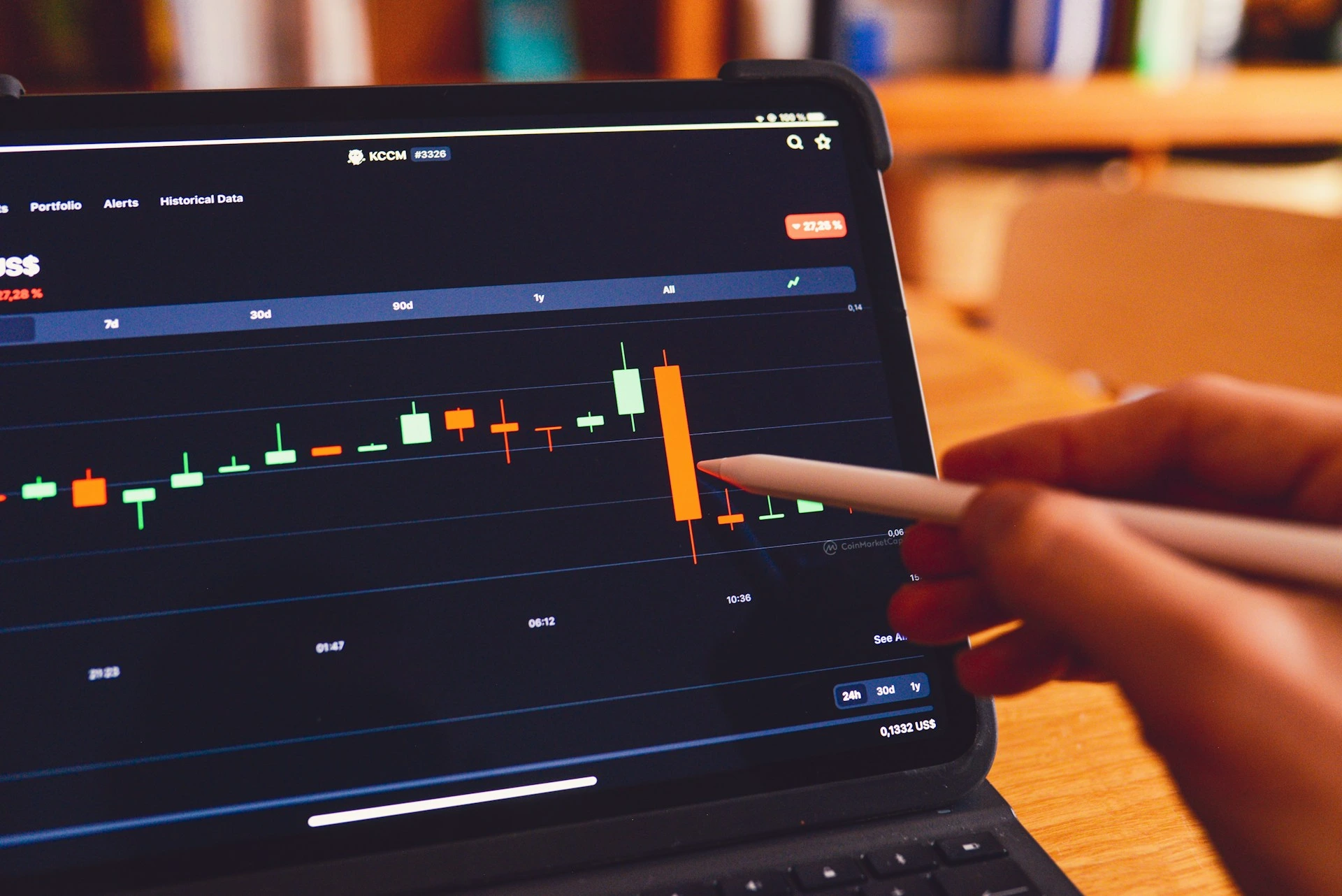
The holding period refers to the length of time an investor owns an asset before selling it. This concept applies across all types of investments, including stocks, ETFs, bonds, and funds. The holding period influences returns, risk exposure, taxes, and overall investment strategy.
Understanding holding period investing helps investors align their decisions with goals and time horizons. Whether an investor holds an asset for days or years, the chosen holding period shapes how market movements and compounding affect outcomes.
What Is Holding Period?
A holding period is the amount of time an investment is held from the date of purchase to the date of sale. It can range from very short durations, such as intraday trades, to long-term ownership lasting many years.
Holding periods are often categorized as:
-
Short-term holding periods, typically days to months
-
Medium-term holding periods, often several months to a few years
-
Long-term holding periods, usually measured in years
The holding period itself does not determine success, but it strongly affects how volatility, costs, and returns are experienced.
How Holding Periods Affect Investment Outcomes
Impact on returns and compounding
Longer holding periods allow compounding to work more effectively. As returns are reinvested, gains can build on top of previous gains over time.
Short holding periods rely more on price timing. Returns depend heavily on entry and exit accuracy rather than business growth.
Volatility exposure over time
Short holding periods are more sensitive to daily price fluctuations. Small market moves can have a large impact on short-term outcomes.
Longer holding periods tend to smooth volatility. Short-term noise becomes less significant relative to long-term trends and fundamentals.
Transaction costs and friction
Frequent buying and selling increase transaction costs. These costs can include spreads, commissions, and slippage.
Longer holding periods reduce turnover. Lower trading frequency helps preserve net returns by minimizing friction.
Holding Period Investing Across Strategies
Short-term holding periods
Short-term holding periods are common among traders who focus on price movement rather than fundamentals. Positions may be held for minutes, hours, or days.
This approach requires close monitoring and disciplined execution. Outcomes are more sensitive to market timing and volatility.
Medium-term holding periods
Medium-term investors hold positions for months or a few years. This approach balances market timing with fundamental trends.
Investors may focus on earnings cycles, valuation changes, or macro conditions. Risk management remains important, but turnover is lower than in short-term strategies.
Long-term holding periods
Long-term holding periods emphasize business growth and compounding. Investors may hold assets through multiple market cycles.
This approach reduces sensitivity to short-term volatility and places greater emphasis on fundamentals and discipline.
Holding Period and Risk Management
Time horizon and risk tolerance
Holding period choice should align with risk tolerance. Short holding periods expose investors to higher timing risk and emotional pressure.
Longer holding periods allow more time for recovery from drawdowns. This can make volatility easier to manage psychologically.
Market cycle considerations
Market cycles affect how holding periods perform. Short-term strategies may struggle during volatile or range-bound conditions.
Long-term holding periods can benefit from full-cycle exposure, capturing recovery phases that follow downturns.
Diversification and holding periods
Diversification interacts with holding periods. Concentrated portfolios with short holding periods can increase risk.
Diversified portfolios held over longer periods tend to distribute risk more evenly across assets and time.
Holding Period and Tax Implications
Short-term vs long-term taxation
In many jurisdictions, holding periods affect how investment gains are taxed. Short-term gains may be taxed at higher rates.
Long-term holding periods often qualify for more favorable tax treatment. This can significantly affect net returns.
Tax efficiency and turnover
Higher turnover increases taxable events. Frequent selling can reduce after-tax performance even if pre-tax returns are strong.
Holding period investing that emphasizes lower turnover can improve tax efficiency over time.
Importance of jurisdiction-specific rules
Tax treatment varies by country and account type. Investors should understand local regulations when planning holding periods.
Taxes should be considered alongside returns, not as an afterthought.
Holding Period Beyond Performance Metrics
Behavioral discipline and patience
Holding period decisions influence behavior. Short holding periods require constant decision-making, which can increase stress and bias.
Longer holding periods encourage patience. This can help investors avoid reacting impulsively to short-term news.
Alignment with financial goals
Different goals require different holding periods. Short-term needs may justify shorter holding periods, while long-term goals benefit from extended ownership.
Clarifying objectives helps investors choose holding periods more intentionally.
Measuring performance realistically
Performance should be evaluated relative to holding period. Comparing short-term returns to long-term benchmarks can be misleading.
Understanding time context leads to more realistic expectations and better evaluation.
Holding Periods Across Asset Types
Stocks and ETFs
Stocks and ETFs can be held across a wide range of periods. Liquidity allows flexibility, but strategy determines duration.
Long-term equity holding periods often focus on growth and dividends.
Bonds and fixed income
Bonds have defined maturities, which naturally shape holding periods. Some investors hold to maturity, while others trade duration.
Interest rate changes influence holding period decisions in fixed income.
Funds and managed products
Funds often encourage longer holding periods due to diversification and strategy design. Frequent trading may reduce their effectiveness.
Understanding fund objectives helps align holding periods with expectations.
Conclusion
The holding period is a foundational concept that shapes how investors experience returns, risk, and behavior. Understanding holding periods helps investors align strategy with goals, risk tolerance, and time horizon.
Holding period investing does not prescribe a single approach. Instead, it emphasizes intentional decision-making about how long to stay invested. Observing how different holding periods interact with volatility, costs, and compounding can improve investment awareness.
Platforms that allow investors to track performance over time and manage positions flexibly, such as the Gotrade app, can support more disciplined and informed investing.
FAQ
What is a holding period in investing?
A holding period is the length of time an investor owns an asset before selling it.
Is a longer holding period always better?
Not always. The ideal holding period depends on goals, risk tolerance, and strategy.
How do holding periods affect taxes?
In many regions, longer holding periods receive more favorable tax treatment.
Do holding periods differ by asset type?
Yes. Different assets have different characteristics that influence typical holding periods.
References:
- Investopedia, Holding Period, 2026.
- Moonfare, Investment Time Horizons, 2026.