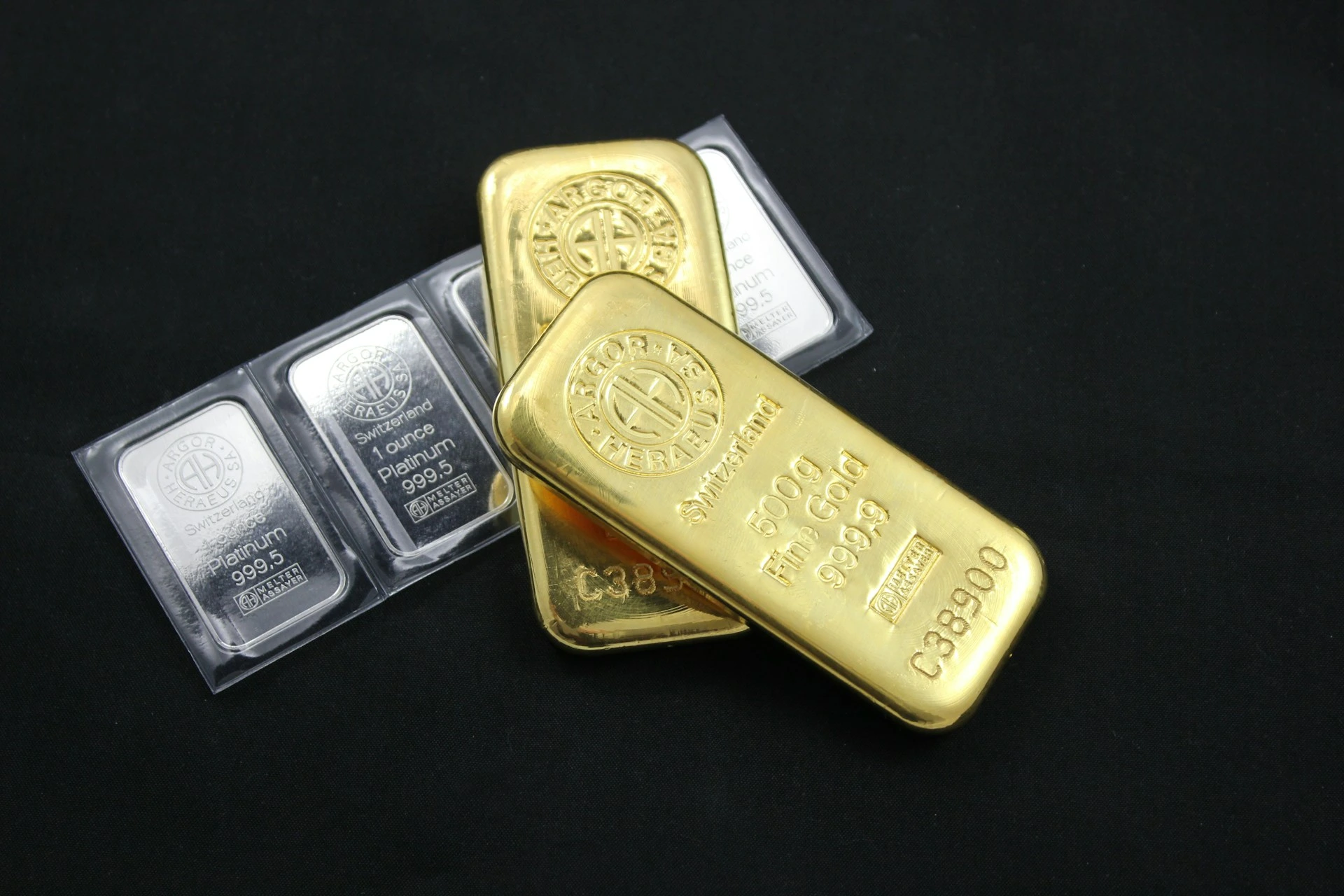
The gold silver ratio measures how many ounces of silver are needed to buy one ounce of gold. Investors track the gold to silver ratio chart to evaluate relative performance between the two precious metals.
Rather than focusing on the price of gold or silver alone, the ratio compares their values directly. This comparison helps investors identify potential shifts in momentum or relative valuation between the metals.
Understanding the gold-to-silver ratio provides insight into market sentiment, economic cycles, and precious metal positioning.
What the Gold-to-Silver Ratio Measures
The gold-to-silver ratio is calculated by dividing the price of gold by the price of silver.
Formula:
Gold-to-silver ratio = Price of gold per ounce ÷ Price of silver per ounce
For example:
-
Gold price: $2,000 per ounce
-
Silver price: $25 per ounce
Gold-to-silver ratio = 2,000 ÷ 25 = 80
This means it takes 80 ounces of silver to buy one ounce of gold.
- A rising ratio indicates gold is outperforming silver.
- A falling ratio indicates silver is outperforming gold.
The ratio does not measure absolute value. It measures relative strength.
If you monitor commodity trends as part of macro strategy, you can invest in US Stocks and track how shifts in the gold-to-silver ratio reflect broader economic expectations.
Historical Average of the Ratio
Historically, the gold silver ratio has fluctuated widely.
Over long periods, the ratio has often averaged between 50 and 70, though exact averages vary by timeframe.
In modern markets:
-
During financial crises, the ratio often rises sharply as gold outperforms silver.
-
During strong economic expansions, the ratio often falls as silver gains relative strength.
For example:
-
In extreme stress environments, the ratio has risen above 80 or even 100.
-
During strong commodity bull markets, the ratio has declined toward lower historical ranges.
The gold to silver ratio chart helps investors visualize these cycles. However, historical averages do not guarantee future reversion.
When Silver Outperforms Gold
Silver tends to outperform gold during periods of economic expansion.
This typically occurs when:
-
Industrial demand increases
-
Manufacturing activity rises
-
Commodity cycles strengthen
-
Risk appetite improves
Because silver has significant industrial uses, it often benefits from growth-related momentum.
When investors anticipate strong economic conditions, silver demand may accelerate faster than gold demand.
A declining gold silver ratio often signals silver outperformance.
When Gold Outperforms Silver
Gold tends to outperform silver during periods of uncertainty.
This may occur during:
-
Economic downturns
-
Financial instability
-
Geopolitical tension
-
Aggressive monetary easing
Gold is often viewed as a store of value and defensive asset.
During risk-off environments, investors may favor gold over silver due to its monetary characteristics and lower volatility.
A rising gold silver ratio often reflects gold strength relative to silver.
Using the Ratio for Trading Decisions
Some traders use the gold-to-silver ratio as a relative value tool.
Common approaches include:
-
Buying silver and selling gold when the ratio is historically high
-
Buying gold and selling silver when the ratio is historically low
This strategy assumes the ratio may revert toward historical averages.
However, timing is critical. The ratio can remain elevated or depressed for extended periods.
Traders may also use the ratio as a macro signal rather than a direct trading trigger.
For example:
-
Rising ratio may signal defensive sentiment
-
Falling ratio may signal cyclical strength
When incorporating relative commodity analysis into portfolio decisions, the ratio provides context, not certainty.
Limitations of the Gold-to-Silver Ratio
While widely followed, the gold-to-silver ratio has limitations.
Structural changes
Industrial demand for silver has evolved over time. Technological shifts may alter long-term demand patterns.
Monetary policy shifts
Gold often reacts more directly to changes in real interest rates and central bank policy. Silver’s industrial component adds complexity.
No fixed fair value
There is no guaranteed equilibrium ratio. Historical averages do not ensure mean reversion.
Market volatility
Short-term price movements can distort the ratio without signaling long-term trends. The gold-to-silver ratio is best used alongside other macroeconomic and technical indicators.
Conclusion
The gold-to-silver ratio measures the relative value of gold and silver. A rising ratio signals gold outperformance, while a falling ratio signals silver strength.
Although historical patterns provide insight, the ratio does not guarantee specific outcomes.
By understanding how economic cycles influence gold and silver differently, investors can use the gold-to-silver ratio as a contextual tool within a broader investment strategy.
FAQ
What does the gold-to-silver ratio mean?
It measures how many ounces of silver are required to buy one ounce of gold.
Is a high gold silver ratio bullish for silver?
Some investors interpret a high ratio as potential relative undervaluation of silver, but timing can vary.
Does the ratio always return to historical averages?
No. While mean reversion sometimes occurs, structural market changes can shift long-term trends.
References
-
Investopedia, Gold-Silver Ratio Complete Guide, 2026.
-
Chard, Gold-Silver Ratio, 2026.