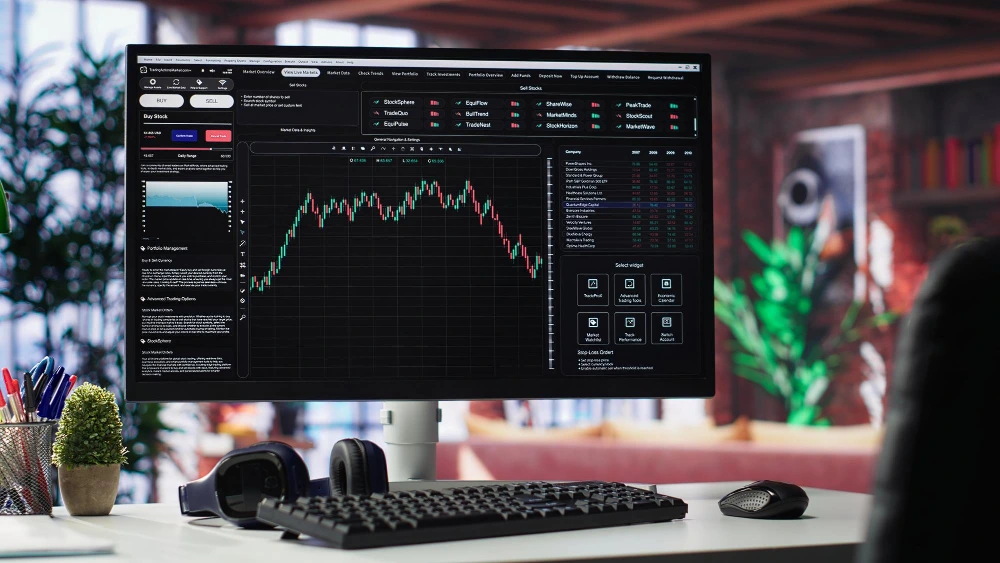
Volatility expansion refers to a phase in the market when price movements begin to increase after a period of low volatility. In volatility expansion trading, traders look for moments when quiet markets suddenly transition into strong price moves.
Financial markets often alternate between calm consolidation and sudden bursts of activity. These shifts create opportunities for traders who anticipate a volatility breakout strategy.
Understanding volatility expansion helps traders identify when a market may be preparing for a strong directional move.
What Is Volatility Expansion?
Volatility expansion occurs when price movement widens after a period of low volatility or tight price consolidation.
During low volatility periods, markets often move within narrow ranges. Eventually, this compression phase can lead to a breakout when buyers or sellers gain control.
Volatility expansion often appears after:
-
Consolidation patterns
-
Sideways trading ranges
-
Periods of declining trading activity
Once expansion begins, price movements become faster and larger.
This change in market behavior is what traders attempt to capture with volatility breakout strategies.
If you want to monitor price movement and volatility shifts in global markets, you can Use Gotrade App to track stocks and technical indicators.
Why Markets Alternate Between Compression and Expansion
Financial markets rarely move in a straight line. Instead, markets often move through cycles of contraction and expansion.
Volatility compression
During compression phases, price movement becomes smaller and more contained.
Common signs of compression include:
-
Narrow trading ranges
-
Declining volatility indicators
-
Decreasing trading volume
Compression usually reflects temporary equilibrium between buyers and sellers.
Volatility expansion
Eventually, this balance breaks. When new information or strong buying or selling pressure enters the market, price movement expands rapidly.
This expansion phase can create strong directional trends. These cycles are common across stocks, commodities, and currency markets.
Identifying Low Volatility Setups
Volatility expansion often begins from identifiable technical setups. Traders commonly look for patterns that signal compression.
Examples include:
-
Tight price consolidation
-
Bollinger Band contraction
-
Triangle patterns
-
Range-bound trading zones
When volatility indicators begin to tighten, it may suggest the market is preparing for a larger move.
However, compression alone does not guarantee expansion. Traders typically wait for confirmation such as a breakout above resistance or below support.
Monitoring multiple indicators can help improve the reliability of volatility setups.
Trading Volatility Breakouts
Volatility expansion trading often focuses on breakout strategies. In these strategies, traders enter positions when price moves outside a defined range.
Common approaches include:
-
Buying when price breaks above resistance
-
Selling when price breaks below support
-
Using stop orders to enter trades automatically
-
Managing risk with predefined stop loss levels
Breakout traders typically aim to capture the early stages of a new trend. Successful volatility breakouts often show increasing volume and strong momentum. Traders often combine price action with technical indicators to confirm expansion.
Risks of False Expansion
Not all volatility expansions lead to sustained trends. Markets sometimes produce false breakouts, where price briefly moves outside a range before reversing.
Several factors can increase false expansion risk:
-
Low trading volume during the breakout
-
Lack of strong fundamental catalysts
-
Highly choppy market conditions
False breakouts can trap traders who enter positions too early. Risk management is therefore essential. Many traders use stop losses and position sizing rules to limit potential losses during failed breakouts.
Conclusion
Volatility expansion describes the transition from quiet market conditions to periods of larger price movement. Because markets often alternate between compression and expansion, recognizing these phases can help traders anticipate potential breakouts.
However, volatility expansion trading also carries risks, particularly when false breakouts occur. Combining technical analysis with disciplined risk management helps traders navigate these market conditions more effectively.
FAQ
What is volatility expansion in trading?
Volatility expansion refers to a phase when market price movements increase after a period of low volatility.
What causes volatility expansion?
Expansion typically occurs when new buying or selling pressure enters the market after a consolidation period.
How do traders use volatility expansion?
Traders often use breakout strategies to enter trades when price moves outside a consolidation range.
References
-
WallStreetMojo, Volatility Expansion - What It Is, Causes, Examples, Effects, 2026.
-
Tasty Live, What Are Volatility Expansions & How Do They Work?, 2026.