
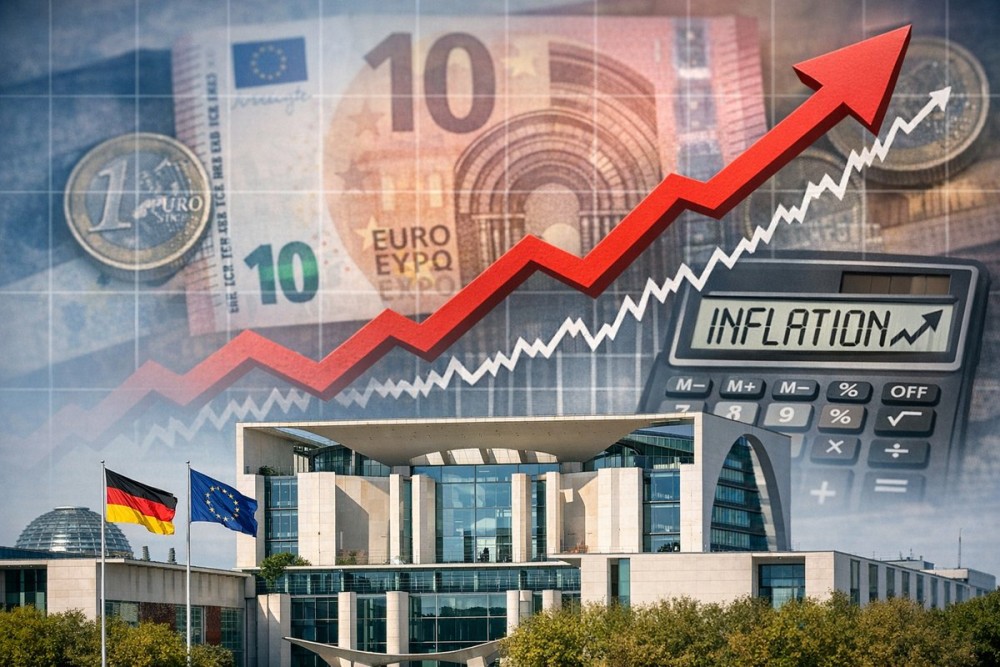
Gotrade News - German 10-year bond yields have hit their highest point since 2023, raising new inflation concerns. This rise occurs amid soaring energy prices driven by the conflict in Iran.
Key Takeaways:
- The increase in yields reflects inflation concerns impacting borrowing costs.
- Traders are betting on an ECB rate hike in the coming months.
- This scenario may lead to economic policy shifts in Germany.
German government bonds have fallen for two consecutive days, highlighting rising borrowing costs. The three basis point yield increase mirrors the surge in energy prices.
The market responded by raising expectations for a European Central Bank interest rate hike. There is a 45% probability that the ECB will increase rates by a quarter point in April.
This rise in yields affects investment perspectives in Germany. The situation could disrupt market dynamics sensitive to interest rate and inflation changes.
Meanwhile, German Chancellor Friedrich Merz underscores the issue of German worker productivity. This is related to fiscal policies that are perceived to reduce work incentives.
Merz calls for a revamp of the tax and social security systems to boost competitiveness and net wages for workers. This step is expected to improve Germany's labor productivity, which lags behind other countries.
Going forward, German economic policies will be under close scrutiny. Investors will continue to watch how the interplay between rising rates and German labor policies will impact the market.
Reference:
- Bloomberg, German 10-Year Yield Hits Highest Level Since 2023 on Inflation Concerns. Accessed on March 12, 2026
- Bloomberg, Germans Are Not Lazy. They Work Less for a Reason. Accessed on March 12, 2026
Featured Image: GPT Image 1.5