Inflation data and earnings take center stage this week.
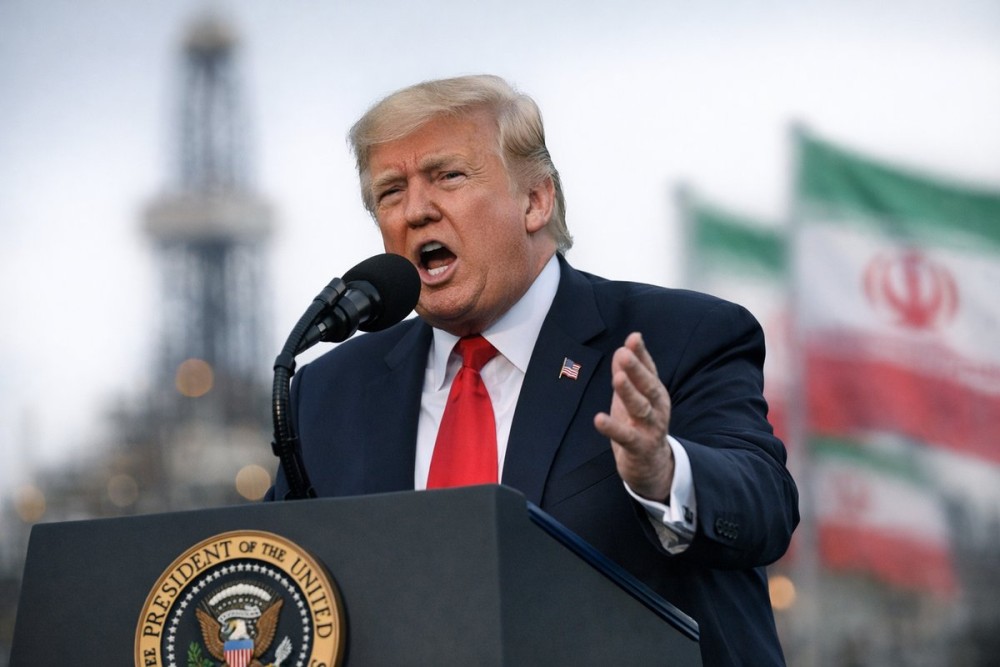
Markets enter the week with a heavy focus on President Donald Trump, as investors await further updates on the U.S.-Iran conflict that continues to drive volatility. Trump is set to hold a press conference at the Oval Office, with attention centered on whether progress toward reopening the Strait of Hormuz or a broader de-escalation can materialize.
At the same time, macro data will play a key role in shaping sentiment. Investors are closely watching the upcoming Consumer Price Index (CPI) report, which is expected to reflect the early impact of rising oil prices on inflation. Earnings season also begins to pick up, with companies like Delta Air Lines (DAL) and Constellation Brands set to provide insight into consumer demand and cost pressures.
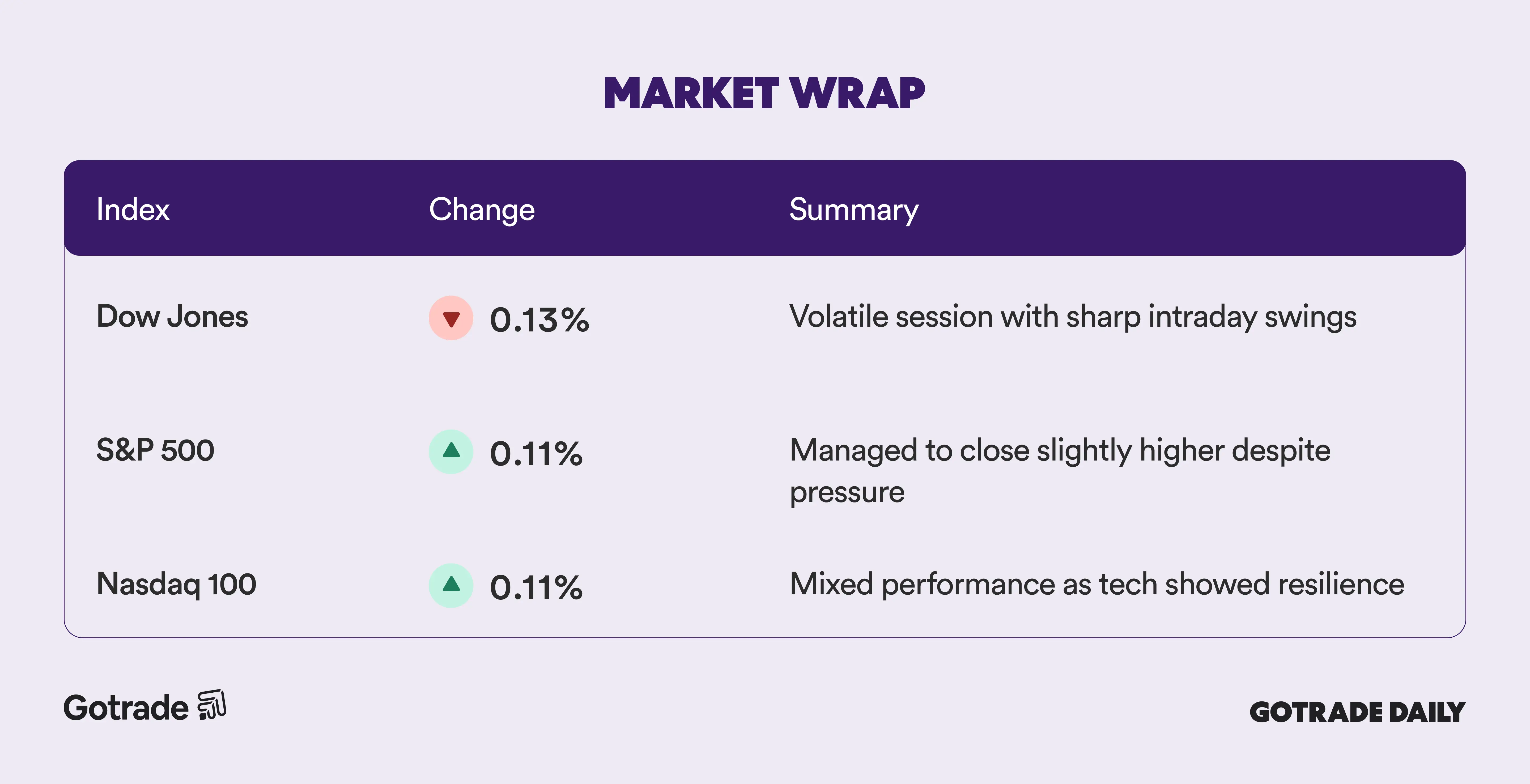
Last week, markets showed resilience despite sharp intraday swings driven by war-related headlines. The Dow Jones Industrial Average, S&P 500, and Nasdaq Composite all snapped five-week losing streaks, posting gains of at least 3% as investors reacted to shifting signals from both the U.S. and Iran.
However, volatility remains elevated. Stocks fluctuated throughout the final session of the week, with the Dow briefly dropping more than 600 points before recovering. The CBOE Volatility Index (VIX) also spiked above 27, highlighting continued uncertainty in the market.
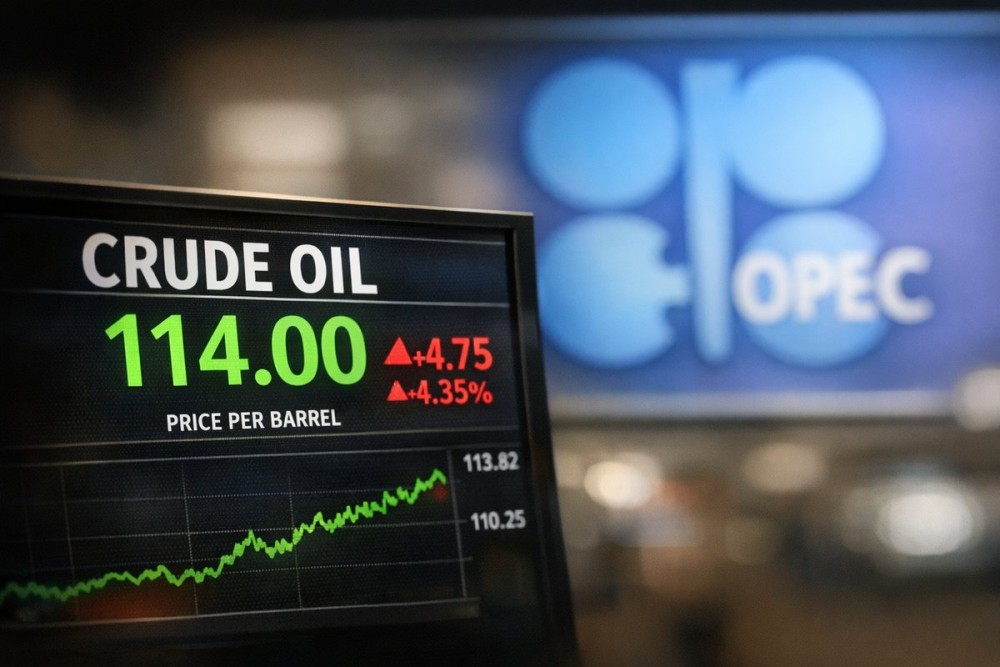
Oil prices surged following Trump’s remarks that the conflict could continue for weeks, with WTI crude jumping above $111 per barrel and Brent crude climbing past $109. Elevated energy prices are expected to keep inflation pressures in focus, reinforcing the importance of this week’s economic data.
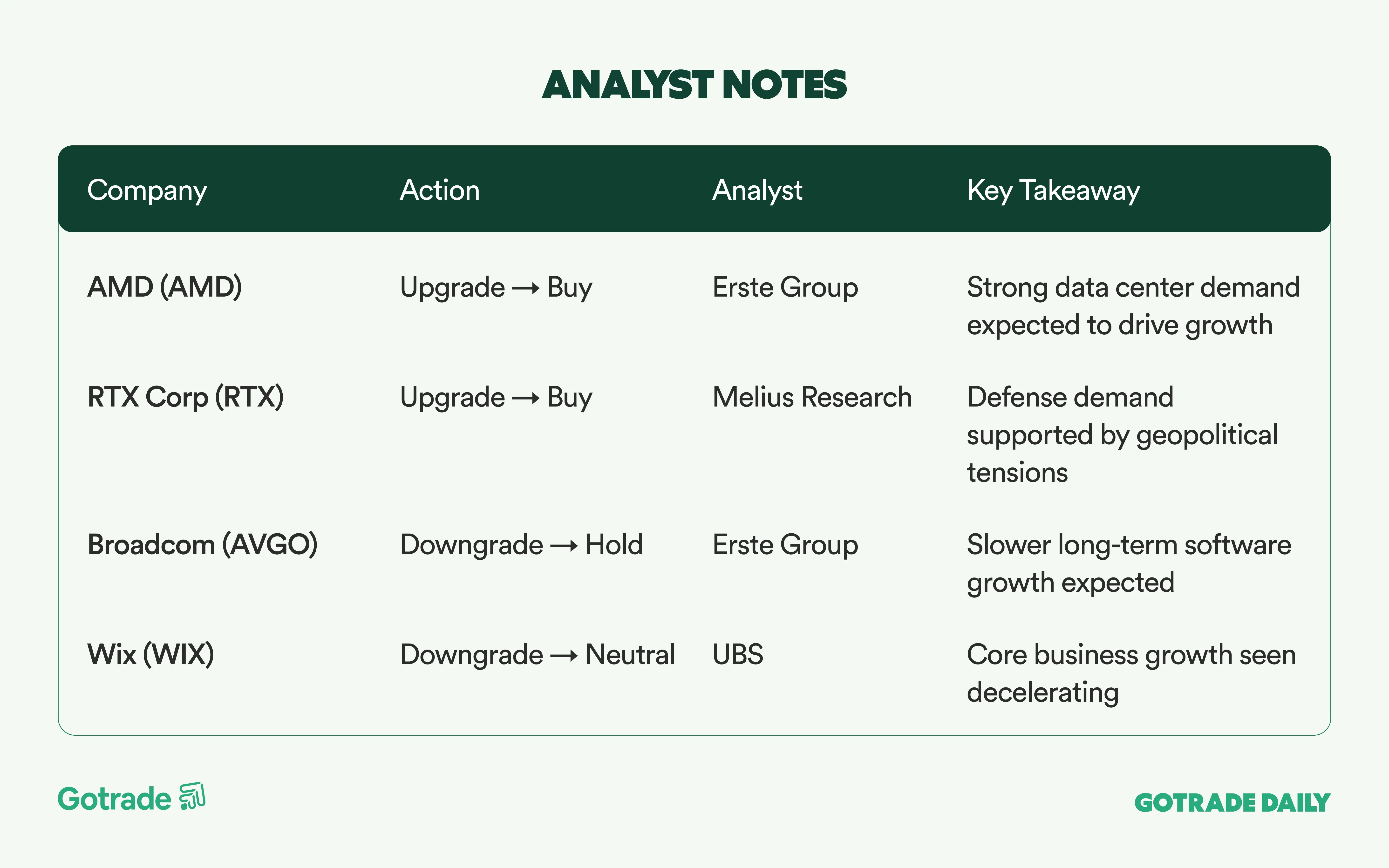
Within equities, select names stood out. AST SpaceMobile (ASTS) surged more than 10%, while Advanced Micro Devices (AMD) gained over 7% and Netflix (NFLX) rose more than 3%, reflecting pockets of strength despite broader uncertainty.
📊 Market Wrap
🧠 Analyst Notes
💬 Market Highlights
Tesla Faces Valuation and Competitive Pressure After Weak Deliveries Report
Tesla (TSLA) is facing renewed pressure after its first-quarter EV deliveries report came in weaker than expected, with analysts pointing to a mix of stretched valuation, rising competition, and a soft EV market backdrop. One view argues that Tesla is increasingly being squeezed by Chinese EV makers globally, while its protected position in the U.S. market is not enough to justify a valuation more consistent with a fast-growing tech company than an automaker. At the same time, the broader EV market is also under pressure, with weaker sales trends, deteriorating economic conditions, the expiration of the $7,500 EV tax credit, and rising auto loan delinquencies all weighing on demand. While Tesla has proven resilient against bearish sentiment in the past, the overall analyst tone in this discussion is cautious to negative on the stock’s medium-term outlook.
Micron Still Seen as Benefiting from AI Scarcity Despite Sharp Selloff
Micron (MU) has fallen roughly 20% since its March 18 second-quarter earnings report, driven by concerns around capital spending and the possible impact of technologies such as Google’s TurboQuant on memory demand, but analyst views remain divided. One side argues that Micron is currently more constrained by supply than by demand, with earnings power heavily supported by sharp increases in DRAM and NAND pricing, making it important to assess how durable profitability will be once pricing normalizes. The other side views the selloff as an overreaction, arguing that AI and hyperscaler demand for HBM and data-center memory remains extremely strong, meaning Micron’s higher capex is not a warning sign but a necessary move to keep up with demand. In short, Micron’s path forward depends on whether AI-driven scarcity continues to outweigh the company’s own capacity expansion.
Novo Nordisk Says Weight-Loss Drug Boom Is Still in Early Stages
Novo Nordisk (NVO) CEO Mike Doustdar said the boom in obesity drugs is still only beginning, arguing that the number of patients currently receiving treatment remains very small relative to the total addressable population. He said the industry’s top priority should be expanding access and improving affordability, including through pricing actions and distribution agreements such as the TrumpRx initiative in the U.S. Novo is preparing to cut U.S. wholesale prices for Wegovy by about half and Ozempic by roughly a third starting next year, as it works to broaden adoption while facing competition from Eli Lilly (LLY), compounding pharmacies, and generic products following semaglutide patent losses in several major markets. Despite rising competition, Novo believes brand strength, product quality, and pricing flexibility will remain key advantages, especially in emerging markets where obesity treatment penetration is still very low.
📅 Earnings Watch
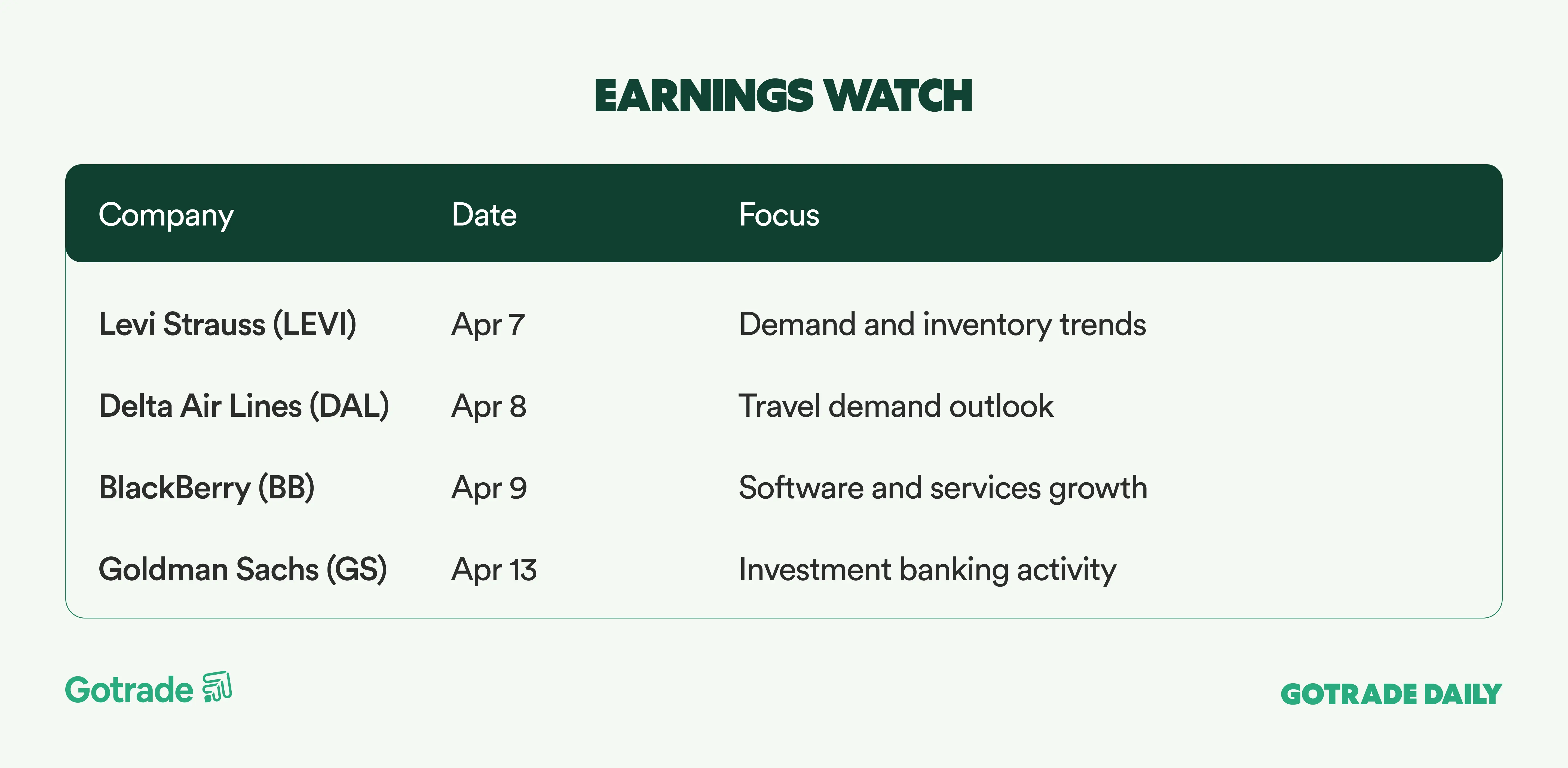
Geopolitical developments, inflation data, and early earnings reports are set to shape market direction, with volatility likely to remain elevated as investors seek clearer signals on both policy and growth.
What stocks are you watching today?