

Gotrade News - Energy giants warn that the U.S.-Israel conflict with Iran is causing long-term damage to the global economy. This statement emerged during the CERAWeek conference in Houston, where instability related to Iran adds an economic specter.
Key Takeaways:
- Global energy prices surge due to the Gulf conflict.
- Supply stability is disrupted, affecting multiple sectors.
- Countries need long-term solutions to tackle this crisis.
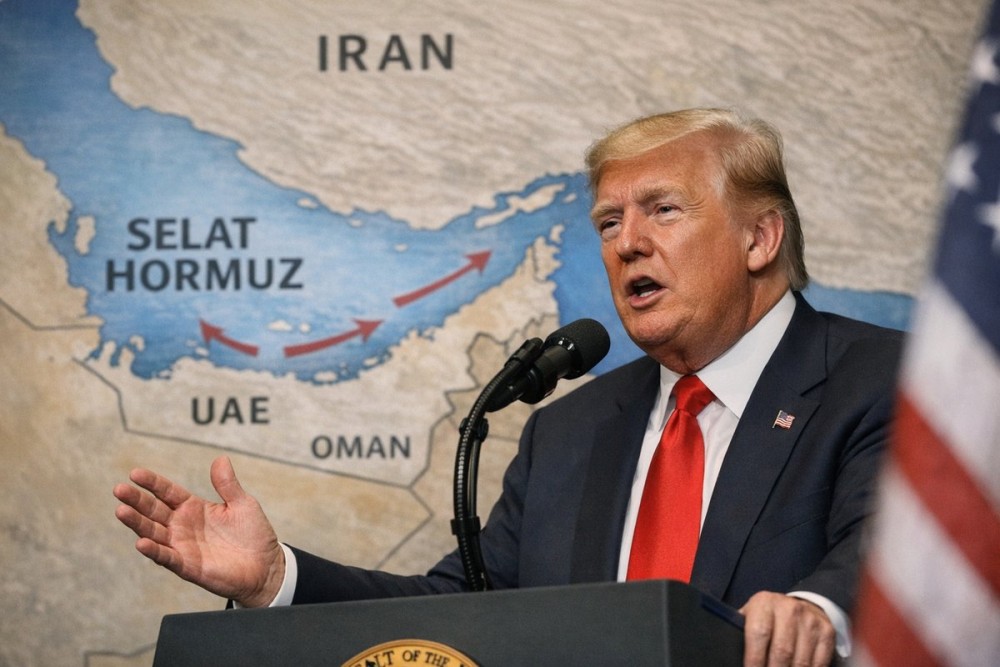
The closure of the Strait of Hormuz since March 2 has triggered a spike in energy prices impacting Asia, Europe, and the U.S. According to TotalEnergies CEO Patrick Pouyanne, the economic impact extends to other sectors. Sultan Al Jaber from ADNOC added that living costs are soaring.
West Texas Intermediate (WTI) crude is trading at around $91.74 a barrel. This price reflects about a 4% increase from the previous close. Meanwhile, Brent is reported to potentially reach $120 a barrel, sparking concerns over demand destruction.
Measures like opening strategic oil reserves have been taken by Japan to mitigate the impact. However, this is seen as only a temporary fix if supply disruptions continue. Countries such as Pakistan and Thailand are pushing for work-from-home policies to reduce fuel consumption.
The United Nations (UN) sees a possible energy price decline if a peace deal with Iran is reached. Such an agreement could reopen the Strait of Hormuz and restore halted energy flows, according to U.S. Energy Secretary Chris Wright.
The U.S. government is considering a temporary easing of sanctions on Iranian oil to boost global supply. This move is part of diplomatic efforts in peace negotiations starting on March 23.
Reference:
- Bloomberg, Treasury Yields Reach Year's Highs as Iran Stalemate Lifts Oil. Accessed on March 27, 2026
- Bloomberg, Carnival Cuts Profit Outlook as Iran War Pushes up Fuel Cost. Accessed on March 27, 2026
- Bloomberg, Iran War Oil Spike Risks Stifling Nascent US Manufacturing Recovery. Accessed on March 27, 2026
Featured Image: GPT Image 1.5