Iran War Drives Fuel Costs and Supply Chain Disruptions
Rendy Andriyanto
Gotrade Team
Reviewed by Gotrade Internal Analyst
Share this article
Gotrade News - The conflict involving Iran has triggered supply disruptions across three major economies. Fuel costs, industrial materials, and airline operations are all showing measurable strain.
Key Takeaways:
Japan sourced 40% of its naphtha from the Middle East. Supply disruptions have hit over a dozen manufacturers, from Panasonic to Kansai Paint.
Virgin Australia's jet fuel costs have more than doubled since late February 2026. The airline expects an additional A$30-40 million in fuel expenses in H2 FY2026.
US gas prices have reached a national average of $4.12 per gallon. Illinois Governor Pritzker is pushing for year-round E15 fuel sales to relieve the pressure.
Japan's Manufacturing Sector Under Naphtha Pressure
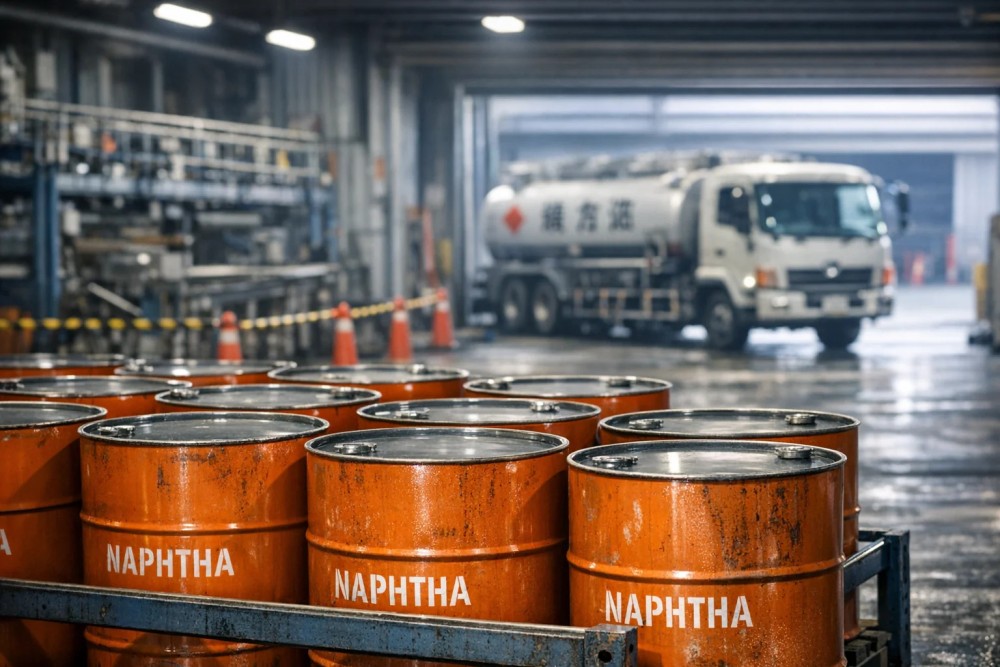
Naphtha is a petrochemical feedstock derived from crude oil refining. Japan's industrial supply chain depends heavily on it for adhesives, coatings, and thinners used in construction and electronics.
More than a dozen Japanese firms have reported delivery disruptions. Companies including Toto, Asahi Kasei, Panasonic, Lixil, Kansai Paint, and Cleanup have all flagged supply issues since the conflict escalated.
Toto suspended orders for modular bathroom units that require naphtha-based adhesives. The halt affects housing developers and construction timelines across Japan.
Data from the Japan Painting Contractors Association is stark. Only 2.7% of member companies can obtain thinner, a key naphtha derivative, at normal supply levels.
Thinner wholesalers cut April supply volumes by half. May shipments remain uncertain, with no confirmed restocking timeline from Middle Eastern suppliers.
Before US and Israeli military actions against Iran on February 28, Japan sourced 40% of its naphtha from the Middle East. That supply line is now under severe stress.
The Japanese government says it holds roughly four months of naphtha reserves. It is actively pursuing alternative supply sources outside the Middle East to buffer the shortfall.
Prime Minister Takaichi has made preventing economic slowdown a stated priority. Officials have flagged fears of consumer panic similar to Japan's 1970s oil crisis, when energy shortages triggered nationwide hoarding.
Airlines and Fuel Costs Feel the Pressure
Virgin Australia has revised its fuel cost forecast sharply upward. The airline now expects jet fuel expenses to rise by A$30 to A$40 million (approximately US$21-28 million) in the second half of fiscal year 2026.
Jet fuel prices have more than doubled since the end of February 2026. The spike tracks directly with the escalation of Middle East conflict and its disruption to global crude supply chains.
Virgin Australia has hedged 92% of its Brent crude exposure and 71% of refining margins for H2 FY2026. Despite the added cost, the airline maintained its full-year 2026 financial guidance.
Energy majors like ExxonMobil (XOM), Chevron (CVX), and ConocoPhillips (COP) are positioned differently. Higher crude prices historically widen upstream margins for integrated oil producers even as they pressure downstream consumers.
WTI crude is currently trading at $91.68 per barrel. Both benchmarks remain elevated well above pre-conflict levels, suggesting the market has not priced in a rapid resolution.
Gotrade is the trading name of Gotrade Securities Inc., which is registered with and supervised by the Labuan Financial Services Authority (LFSA). This content is for educational purposes only and does not constitute financial advice. Always do your own research (DYOR) before investing.