
Gotrade News - Global markets rebounded cautiously on Tuesday as reports emerged that Iran may send delegates to US-brokered peace talks in Islamabad. The diplomatic signals offered relief after weeks of escalating tensions that paralyzed traffic through the Strait of Hormuz.
Key Takeaways:
- Iran is considering attending a second round of peace negotiations in Pakistan after initially refusing
- Asian markets rallied with MSCI Asia-Pacific up 0.9% and South Korea's Kospi hitting a record high at +2.1%
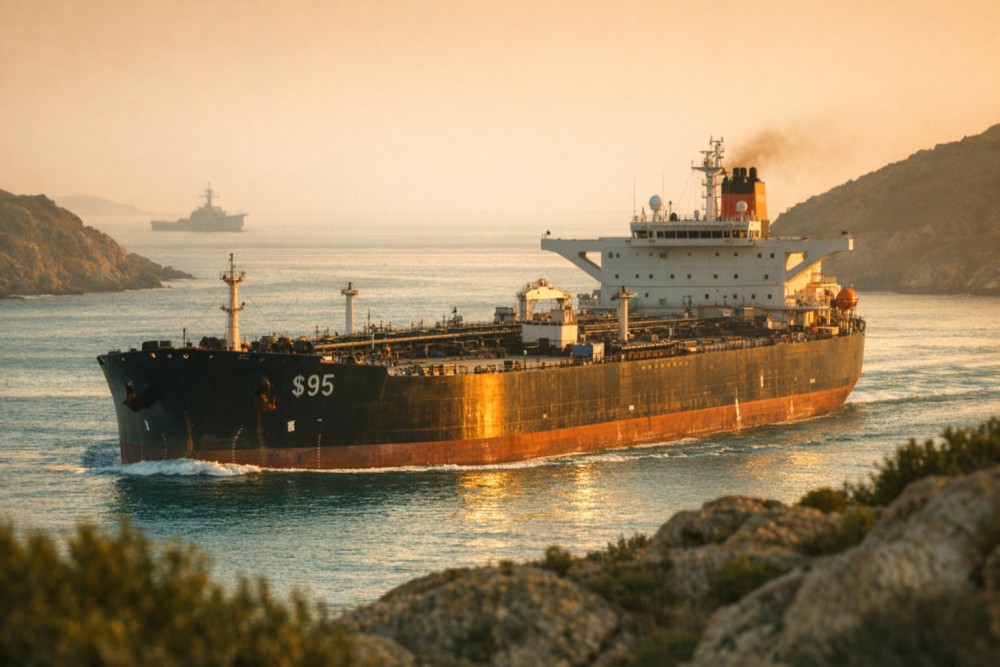
- Brent crude held above $95 per barrel as Strait of Hormuz shipping disruptions persist
Diplomatic Signals Move Markets
Iran initially said it would skip the second round of US negotiations after Washington seized an Iranian cargo ship. A senior Iranian official later told Reuters the country may yet attend talks expected in Islamabad.
The uneasy ceasefire between the two nations had deteriorated sharply following the vessel seizure. Iran re-closed the Strait of Hormuz over the weekend, prompting retaliation threats from Tehran and renewed supply fears.
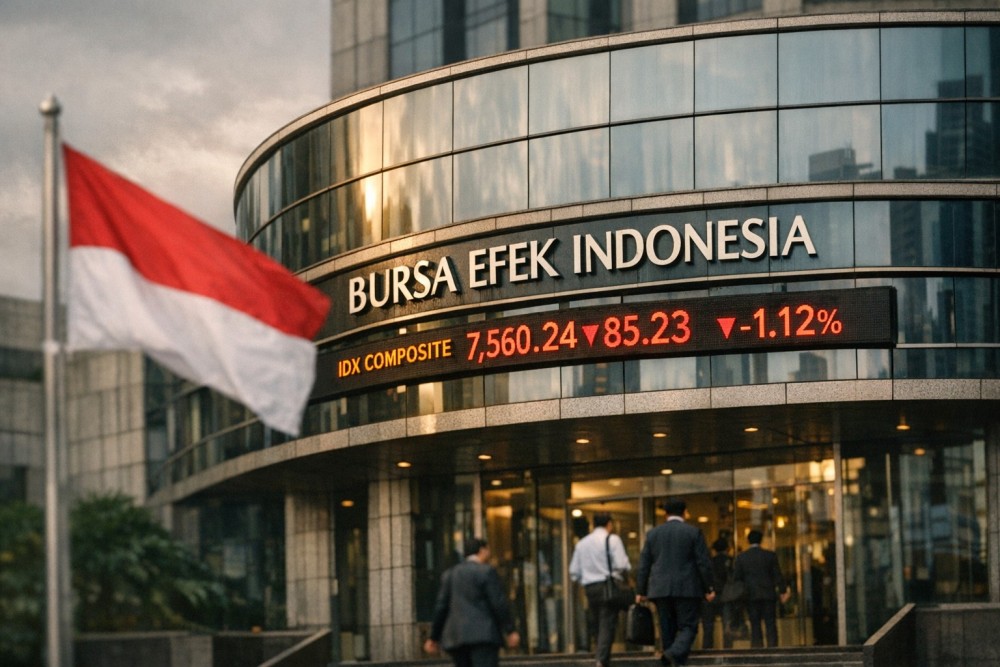
MSCI's Asia-Pacific index outside Japan rose 0.9%, while South Korea's Kospi surged 2.1% to a fresh record high. Japan's Nikkei 225 gained 1.2%, though S&P 500 e-mini futures edged up only 0.1% as uncertainty remained elevated.
Oil and Safe Havens Reflect Caution
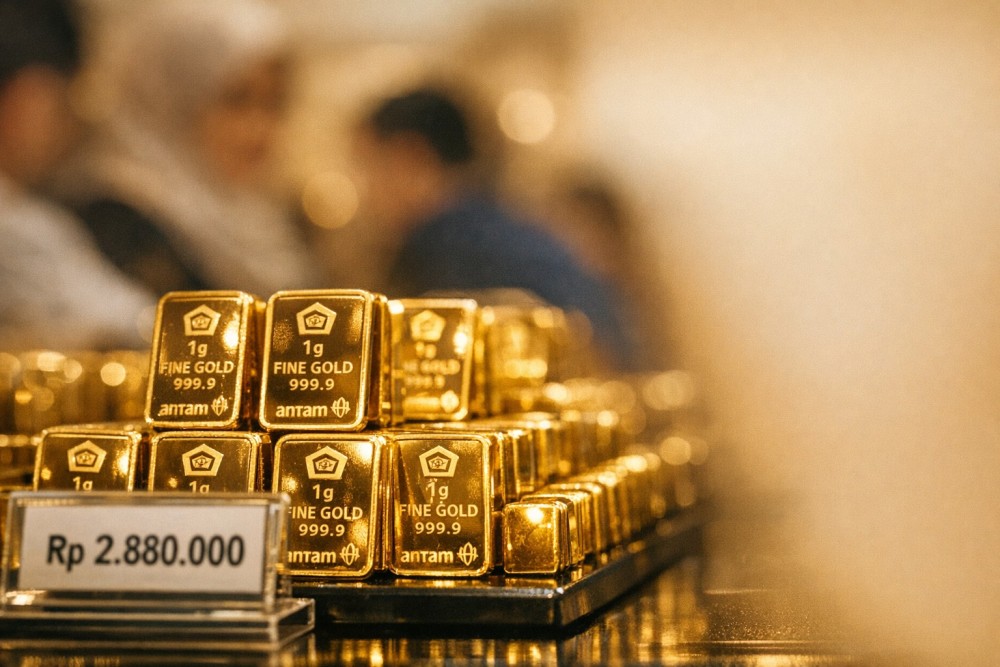
Brent crude dipped 0.4% to $95.09 per barrel, but remained near multi-month highs on persistent Strait of Hormuz disruptions. Gold edged up 0.1% to $4,824.83 as investors maintained defensive positioning.
The US dollar index held steady at 98.08, while 10-year Treasury yields ticked up 0.8 basis points to 4.256%. Bitcoin slipped 0.3% to $76,072.61, showing little haven demand from crypto markets.
Vice President JD Vance remained in Washington on Monday despite earlier reports of a Pakistan trip. Kevin Warsh, President Trump's nominee to lead the Federal Reserve, faces a Senate confirmation hearing Tuesday where his independence from the White House will be tested.
The Nasdaq Composite snapped its 13-day winning streak, the longest in over 30 years, falling 0.3% in Monday's session. For global investors, the Iran situation remains the dominant short-term risk factor, with oil supply disruptions capable of derailing the broader equity rally if talks collapse.