
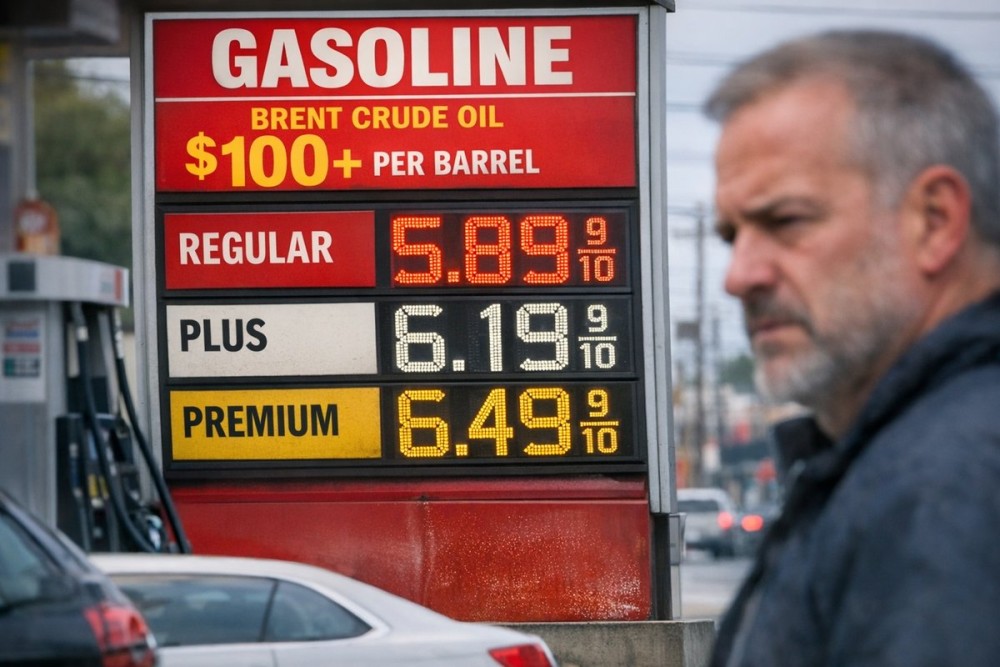
Gotrade News - The conflict in the Middle East could push inflation to mid-6% by mid-year. Economists warn that prices ranging from essentials to airfares are beginning to rise. The conflict has led to the closure of the Strait of Hormuz, a route for one-third of the world's oil supply, elevating Brent crude prices from around $US70 to over $US100 per barrel.
Key Takeaways:
- Soaring global oil prices trigger inflation.
- Global distribution and the transportation sector hit hard.
- Ripple effects felt in everyday necessities.
Beyond energy, price shocks are being felt in other sectors like private credit. This week's podcast with James Thomson and Anthony Macdonald discusses the impact of energy shocks on oil companies' windfall profits and new challenges faced by private lenders.
In the face of this situation, investors should brace for potential portfolio adjustments. Observers underscore the importance of understanding energy market dynamics and their impact on the global economy. Rising energy prices are predicted to impede economic recovery in some regions.
As uncertainty increases, it's crucial to stay alert to changes in economic policy. Investors should focus on risk mitigation and diversifying their investments. With fluctuating market conditions, knowledge and strategic adjustments are key to maintaining profits.
Reference:
- Australia Financial Review, Middle East conflict could push inflation to mid-6s by June. Accessed on March 27, 2026
- Australia Financial Review, Iran war price shock, private credit pain and WFH battle reignites. Accessed on March 27, 2026
- High Gas Prices, Iran War, Tax Refunds. Accessed on March 27, 2026
Featured Image: GPT Image 1.5