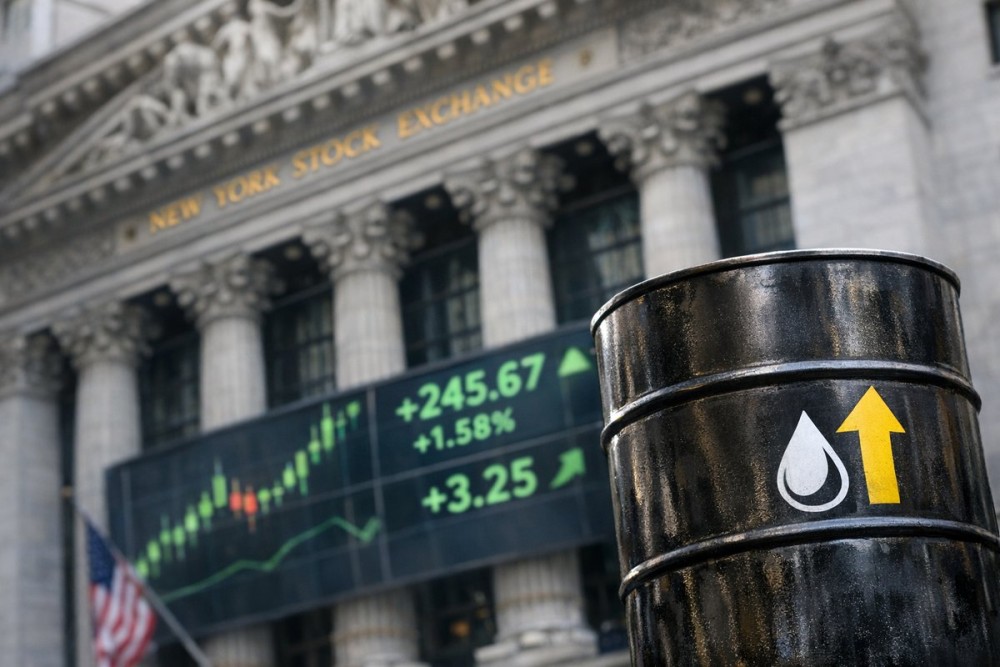
Gotrade News - Tensions in the Middle East are escalating, impacting both stock markets and oil prices. Wall Street is showing an upward trend as traders focus on developments in the region.
Key Takeaways:
- Middle East tensions boost global oil prices.
- Wall Street exhibits positive momentum, driven by geopolitical uncertainty.
- Market forecasts suggest the conflict could extend further.
The Nasdaq Composite Index increased by 0.5%, amid global attention on the status of the Strait of Hormuz. This development underscores how sensitive markets are to current geopolitical issues.
Moreover, market predictions indicate the risk of prolonged conflict extending beyond April, intensifying the pressure on global oil prices and further straining the global economy.
Oil has become a focal point due to potential supply disruptions from these tensions. The rising risks are being closely monitored by investors watching for any policy shifts or significant actions on the ground.
The S&P 500 is also affected by the region's instability. Despite growing uncertainty, investors remain hopeful for strengthening in the technology sector, which remains a major support for the index's movements.
With the potential for continued conflict, investors must tread cautiously in the market. It's crucial to monitor political developments and international policies, which can have immediate impacts on the markets and commodities.
Reference:
Featured Image: GPT Image 1.5