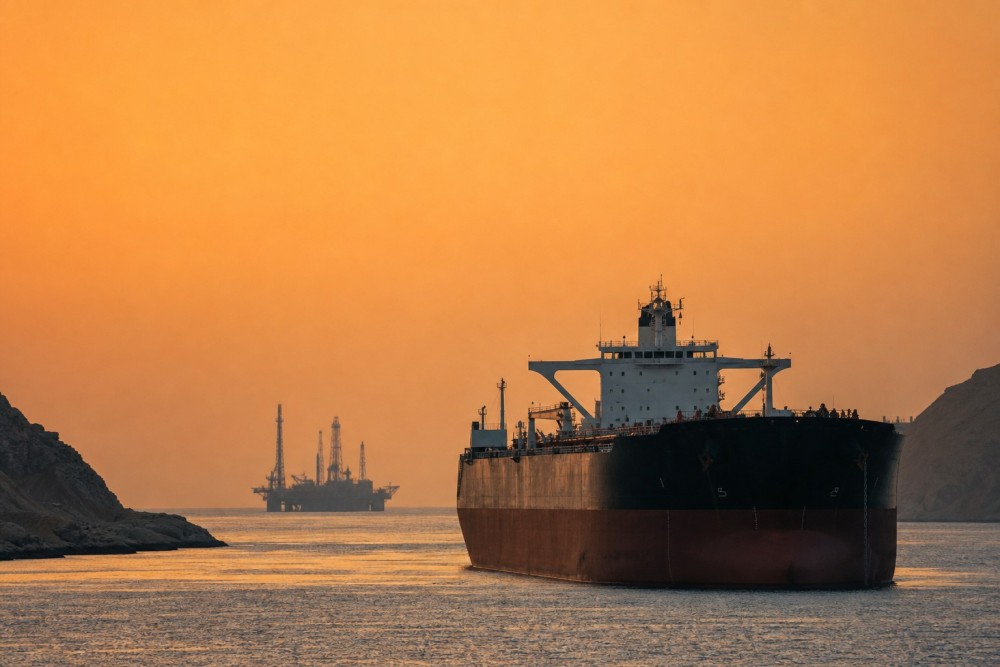
Gotrade News - OPEC+ raised its July 2026 production target by 188,000 barrels per day on Sunday. It marked the fourth straight monthly increase to crude output quotas.
Real supply keeps falling despite the higher target, keeping oil prices elevated. The closed Strait of Hormuz has triggered a supply crisis that paper quotas cannot solve.
Key Takeaways
- OPEC+ lifted July output quotas by 188,000 bpd, the fourth monthly hike in a row.
- Actual output fell to 33.19 million bpd in April from 42.77 million bpd in February.
- Brent settled at $93.09 and WTI at $90.54 on Friday, far above pre-war levels near $72.
According to Kompas, seven core members raised quotas by roughly 600,000 bpd over April through June. Despite that paper increase, actual average output fell sharply across the same window.
Real production dropped to 33.19 million bpd in April from 42.77 million bpd in February. The US-Iran war shut the Strait of Hormuz, cutting off a critical shipping route for global crude.
The closure has created a major supply crisis that higher quotas cannot offset on their own. Quotas set targets, but they do not guarantee that barrels actually reach buyers.
Why Output Keeps Falling
As reported by KabarBursa, Saudi Arabia has been unable to fully supply markets since late February. The UAE also left OPEC after roughly 60 years, deepening the supply strain.
The July increase of 188,000 bpd matches June but trails the 206,000 bpd added in April and May. Iraq's quota rises by 26,000 bpd under the latest agreement, per Kompas.
The move continues unwinding the 1.65 million bpd cut agreed back in 2023. Around 567,000 bpd of original cuts will return from July if the current pace holds.
Full restoration could arrive by the end of September at the roughly 188,000 bpd monthly pace. Seven of 21 members met to decide, including Saudi Arabia, Iraq, Kuwait, Algeria, Kazakhstan, Russia, and Oman.
Market Reaction and Outlook
Brent settled at $93.09 on Friday, down $1.94 or 2.04 percent. WTI settled at $90.54, down $2.50 or 2.69 percent, yet both remain far above the pre-war level near $72.
Rystad analyst and ex-OPEC official Jorge Leon said the hike "means very little while the Strait of Hormuz stays closed." Once the strait reopens, markets could swing fast from undersupply fears toward oversupply fears.
Producers like Exxon Mobil (XOM) and Chevron (CVX) tend to benefit when crude prices stay elevated. Funds tracking crude such as the United States Oil Fund (USO) mirror these sharp daily price moves.
For now, the gap between OPEC+ quotas and actual barrels continues to keep the global market tight. Energy producers can hold pricing power while the supply route stays disrupted.
Investors should watch the Strait of Hormuz closely, since its reopening could reverse the price picture quickly. A sudden return of stranded supply could shift sentiment from shortage toward glut within weeks.
Sources