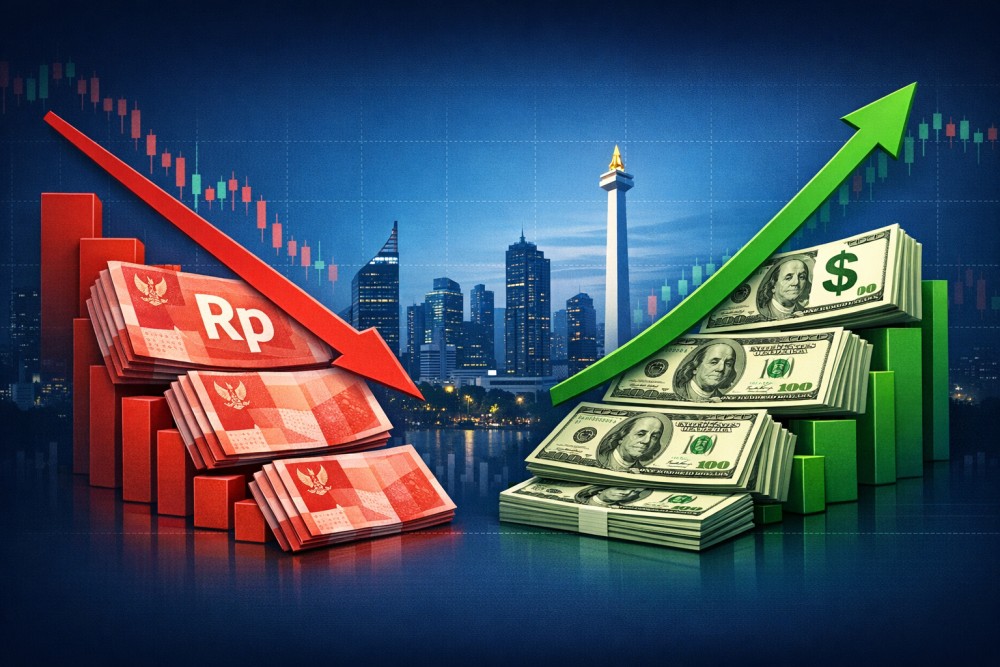

Gotrade News - Indonesian industries are grappling with pressure from surging plastic and textile raw material prices. This surge is driven by geopolitical turmoil in the Middle East that has escalated crude oil prices. The impact is acutely felt, especially in sectors reliant on petrochemical raw materials.
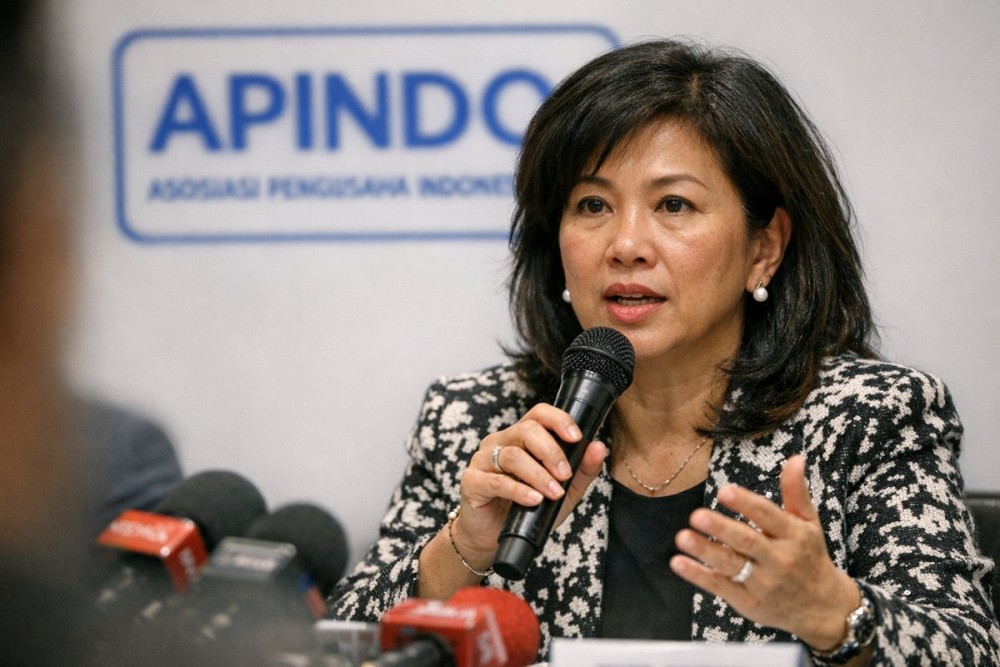
The Chairperson of Apindo, Shinta Kamdani, highlights the impact of rising plastic prices on businesses. The increase in production costs burdens entrepreneurs who strive to keep consumer prices affordable. Sectors heavily dependent on plastics, such as food and beverages as well as pharmaceuticals, are experiencing significant cost increments.
A similar situation is unfolding in the textile industry. In the past two weeks, raw material prices have soared by up to 40% due to conflict-driven global oil price hikes. The Chairman of the Indonesian Filament Yarn and Fiber Producers Association, Redma Gita Wirawasta, explains that this rise affects paraxylene prices, a key raw material for polyester.
According to Shinta, the rise in plastic resin prices puts direct pressure on operational costs. This surge could reach 100% in some categories where supply is increasingly scarce. Small and medium enterprises, particularly those using plastics, feel the pinch as profit margins are increasingly squeezed.
Redma notes that while raw material supply is still available, the price hike is significant. The downstream sector is predicted to start feeling this impact within three weeks. Retail product prices are expected to increase by around 10%.
The agricultural sector is also feeling the impact of rising plastic prices. The Coordinating Minister for Food Affairs, Zulkifli Hasan, mentions that difficulties in procuring plastic sacks have affected farmers’ paddy purchase operations. This issue reflects broader economic pressures.
The textile industry faces challenges from low production capacity utilization rates. Currently, the national polyester producers' utilization is below 40%. This situation indicates that upstream production activities have not yet fully recovered optimally.
This condition necessitates a swift and measured policy response to sustain business viability. According to Shinta, an appropriate policy response will help protect employment and maintain public purchasing power amid global economic challenges.
The urgency for immediate government intervention becomes more critical to avoid further deindustrialization, particularly in these pressured sectors. There is a need for responsive policy measures to support industrial resilience and create a more stable and fair market environment.
Reference:
- Liputan6, Curhat Pengusaha Terhimpit Harga Plastik yang Naik. Accessed on April 9, 2026
- MetroTV, krisis energi harga plastik ikut melambung. Accessed on April 9, 2026
- MetroTV, Imbas perang Iran AS dan Israel harga plastik tembus Rp55 ribu per kg. Accessed on April 9, 2026
Featured Image: GPT Image 1.5