
Gotrade News - US Secretary of State Marco Rubio warned that Washington will pursue 'another way' if nuclear talks with Iran collapse. His comments arrive as a tenuous ceasefire holds in the three-month-old conflict that began February 28, 2026.
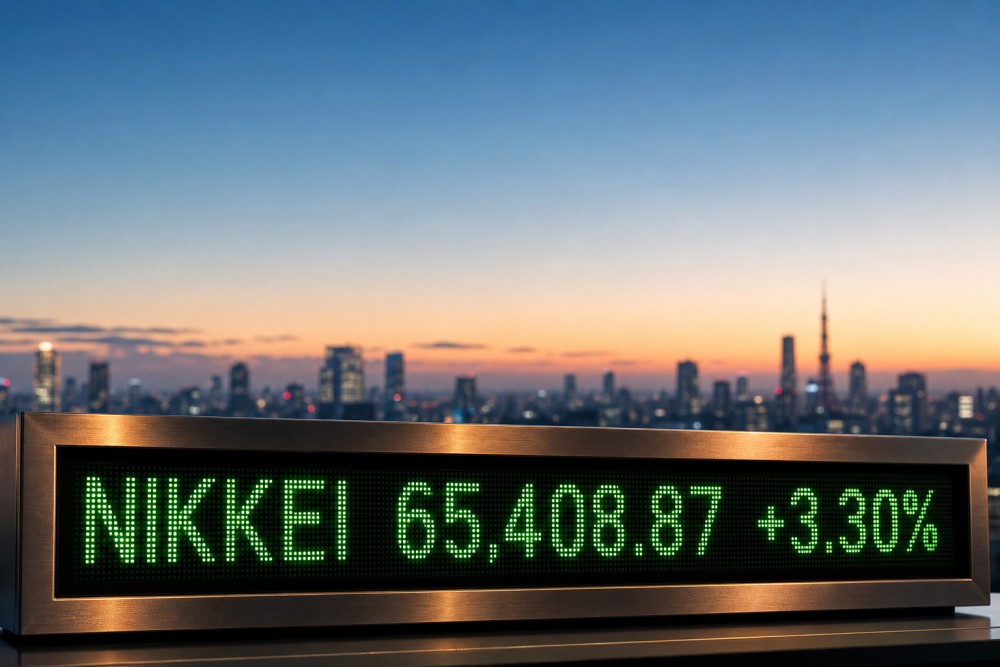
Markets read the framework as a step toward de-escalation, lifting Asian equities and pressuring crude prices sharply. Brent fell roughly 6% to two-week lows, while Tokyo's Nikkei 225 vaulted past 65,000 for the first time.
Key Takeaways
- Rubio said Washington seeks either a deal or 'another way' to resolve the Iran standoff.
- A 60-day framework outlines reopening the Strait of Hormuz in exchange for ending the US naval blockade.
- Brent crude dropped below $100 a barrel while the Nikkei 225 set a record above 65,000.
Diplomatic Framework And Sticking Points
According to Investing.com, Rubio described a 'pretty solid thing on the table' regarding the strait. Iran has agreed in principle to reopen the waterway if the US lifts its naval blockade.
President Trump said the blockade will remain 'in full force and effect until an agreement is reached, certified, and signed'. The framework gives negotiators 60 days to finalize a comprehensive deal.
Disputed issues still include Iran's nuclear program, the Israel-Hezbollah war in Lebanon, and sanctions relief. The disposal of Iran's highly enriched uranium stockpile remains the most stubborn sticking point.
Tens of billions of dollars in frozen Iranian oil revenues are also part of the bargaining table. Negotiators are weighing phased release tied to verifiable nuclear concessions from Tehran.
Market Reaction Across Energy And Defense
As reported by Investing.com, the Nikkei 225 surged 3.3% to a record high of 65,408.87. Brent crude slid more than 4% below $100 a barrel, while WTI fell 5.59%.
The Strait of Hormuz previously carried about one-fifth of global oil and LNG shipments. Its potential reopening removes a major risk premium that has supported energy prices for months.
That repricing weighs directly on integrated oil majors such as Exxon Mobil (XOM) and Chevron (CVX). Lower crude often compresses upstream margins, even as refining and chemicals can benefit from cheaper feedstock.
Defense names face the opposite setup as conflict-risk premiums fade in the near term. Investors are watching Lockheed Martin (LMT) for signs that order momentum from regional buyers persists despite the diplomatic thaw.
What Comes Next
Per Investing.com, Trump said a memorandum on the strait had been 'largely negotiated' but cautioned there is 'no rush' to finalize terms. That language suggests Washington wants flexibility in case implementation falters.
Traders will watch the 60-day window for tangible verification steps from Tehran. Slippage on uranium disposal or strait access could quickly restore the geopolitical premium across oil and defense names.