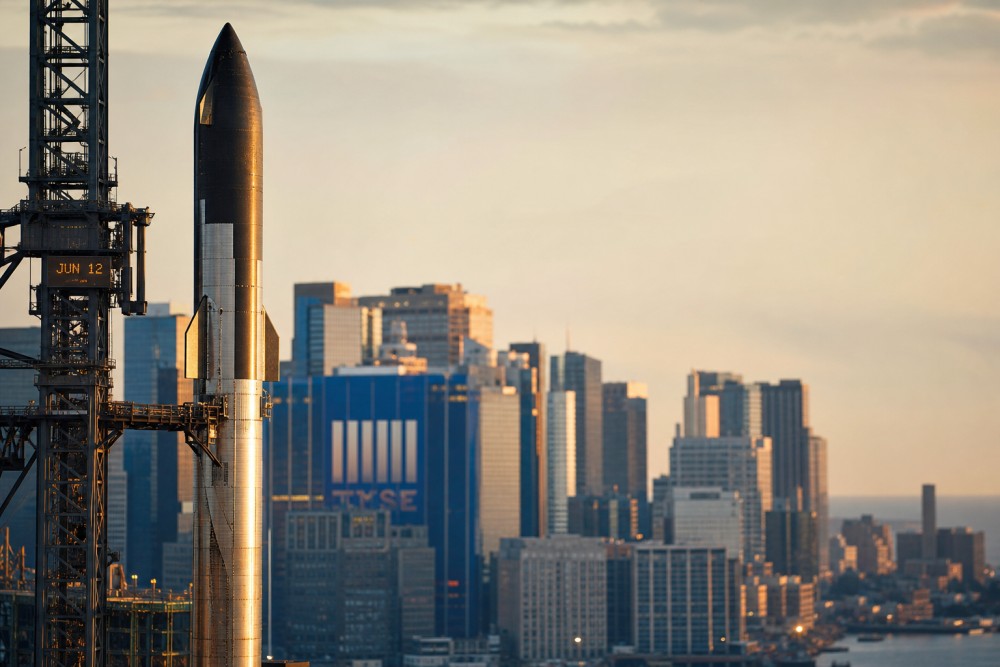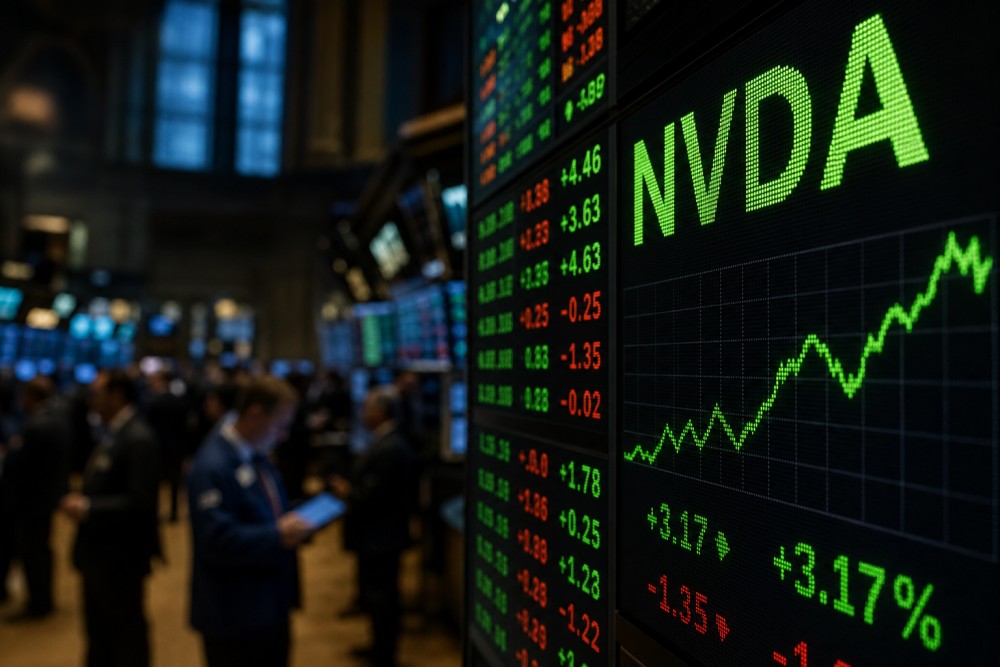

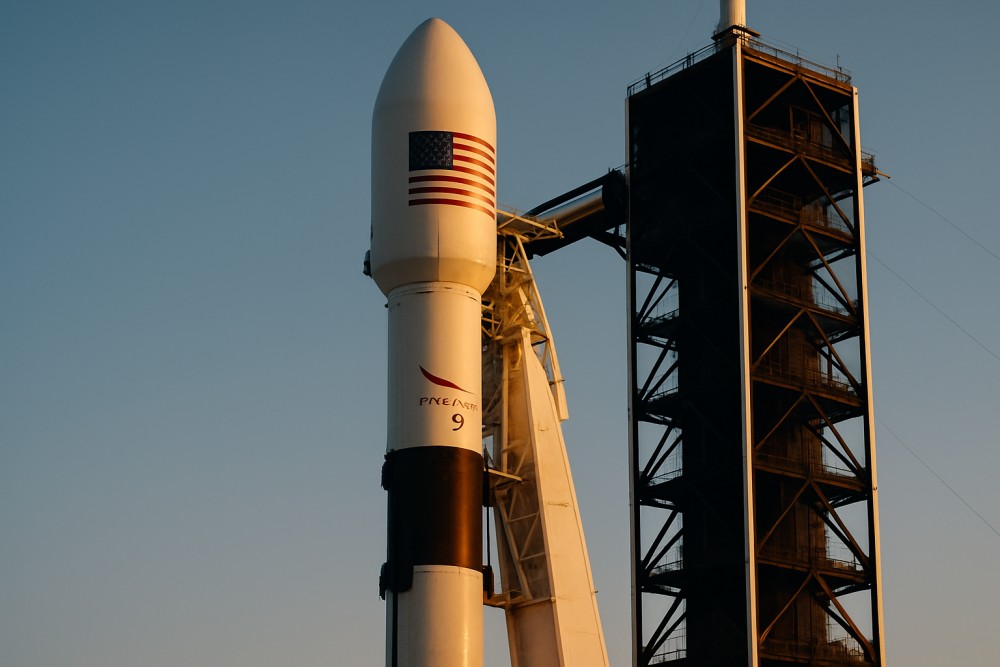
Gotrade News - SpaceX is moving toward a public listing that investors say could become the largest tech IPO ever. According to Bloomberg, the deal hinges on AI, Mars, and Musk's long vision.
The offering matters because it tests appetite for a founder-controlled, deep-tech listing at scale. US-listed space, satellite, and defense names face fresh competitive pressure once SpaceX trades publicly.
Key Takeaways
- SpaceX IPO advances with strong pre-IPO demand and a loyalist board structure.
- Elon Musk is expected to remain CEO with entrenched voting control.
- Space and defense peers face new benchmarking pressure on valuation and growth.
Musk Locks In Control
As reported by Axios, Musk is positioned to stay SpaceX CEO for life. The structure mirrors how he has guided Tesla (TSLA) through high-volatility growth cycles.
Per Investing.com, the board is stacked with Musk-empire loyalists across ventures. That setup signals limited governance friction but heightened key-person risk for public shareholders.
Investors weighing the deal must accept dual-class voting and long capital horizons. The trade-off is direct exposure to Starlink cash flow and Starship optionality.
Pre-IPO Demand And US-Stock Impact
According to The Motley Fool, Jim Cramer flagged scarcity-driven demand around the offering. Retail interest is so high that synthetic SpaceX exposure has appeared on crypto venues like Hyperliquid.
As reported by The Motley Fool, those tokens do not equal real equity ownership. Investors waiting for the listed shares will get cleaner, regulated access at IPO pricing.
Smaller launch peer Rocket Lab (RKLB) could see a sentiment lift from sector attention. A successful SpaceX print typically pulls multiples higher across adjacent space and satellite names.
Defense prime Lockheed Martin (LMT) faces sharper competition on launch and national-security contracts. SpaceX's public balance sheet would let it bid more aggressively on long-cycle government work.
For US retail traders, the setup is a barbell of opportunity and risk. Owning peers now offers indirect exposure, while waiting for the IPO offers direct ownership later.