
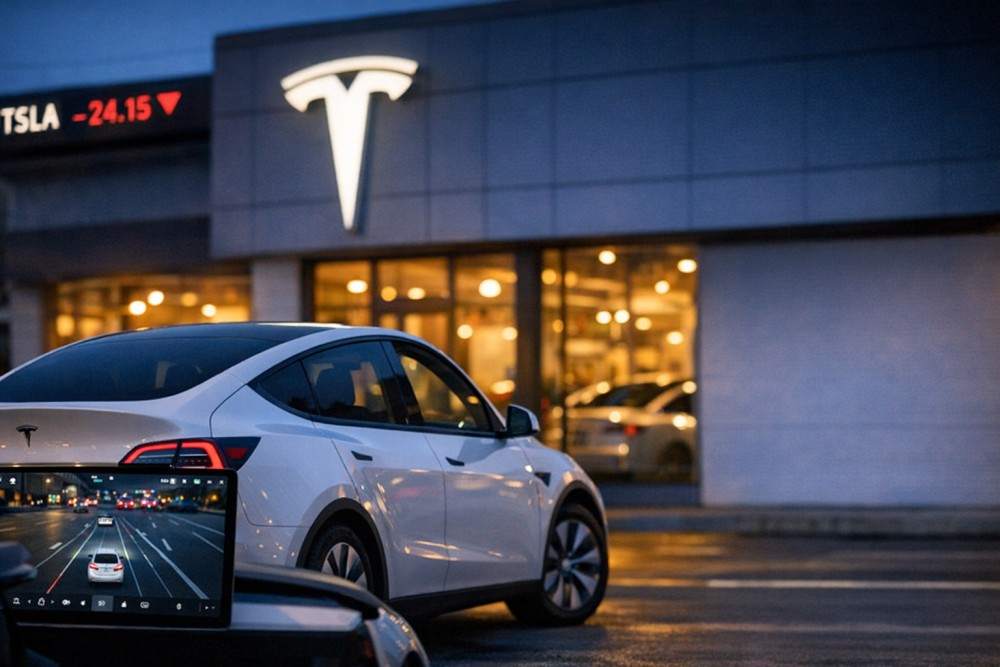
Gotrade News - Tesla delivered mixed Q1 2026 results, missing revenue estimates while beating on earnings per share. Shares fell 0.81% to $384.39 in after-hours trading following the announcement.
Key Takeaways
- Tesla raised 2026 CapEx guidance from $20 billion to over $25 billion for AI infrastructure and robotaxi development
- Musk admitted Hardware 3 cannot achieve unsupervised Full Self-Driving, affecting 4 million vehicles worldwide
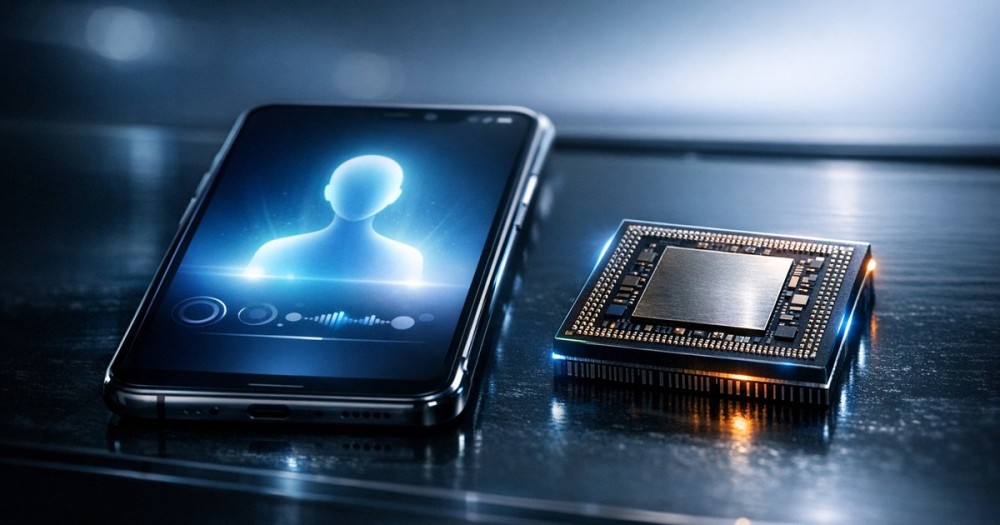
- Tesla partnered with Intel to produce in-house AI chips using Intel's 14A process at Terafab
CFO Vaibhav Taneja confirmed that Tesla now expects 2026 capital expenditures to exceed $25 billion. This represents a major increase from the previous $20 billion guidance.
The elevated spending targets AI infrastructure, robotaxi support, and the Optimus humanoid robot program. Additional funds will go toward semiconductor manufacturing and solar equipment.
Musk argued the heavy spending is justified by a "substantially increased future revenue stream." However, free cash flow is expected to remain negative for the rest of 2026.
During the Q1 earnings call on Tuesday, Musk made a stunning admission about Hardware 3 limitations. Approximately 4 million Tesla vehicles globally are affected by the hardware shortfall.
Musk stated that Hardware 3 "simply does not have the capability to achieve unsupervised FSD." This directly contradicts his 2022 claims that HW3 had "more than enough" processing power.
Many Tesla owners paid between $8,000 and $15,000 for the Full Self-Driving package. No free hardware upgrade, refund, or compensation plan has been announced.
The hardware lacks computational power to process multiple camera feeds alongside complex neural networks simultaneously. Class-action lawsuits from affected Tesla owners are already underway.
Competitors have moved ahead in the autonomous driving race without similar setbacks. Waymo and Cruise operate unsupervised robotaxis, while Mercedes-Benz secured Level 3 approval in the US.
On a positive note, Tesla announced a partnership with Intel for in-house AI chip production. Intel shares jumped approximately 4% in after-hours trading on the news.
Tesla will use Intel's 14A process node at the Terafab facility for its custom AI chips. The 14A process is expected to reach manufacturing maturity by 2027.
The combination of a revenue miss and the FSD hardware admission weighs heavily on investor confidence. Markets now await clarity on HW3 owner compensation and whether Tesla's massive CapEx will deliver returns.