
Jakarta, Gotrade News - The minutes from the Federal Reserve's December 2025 meeting just dropped, revealing a sharp divide among US central bank officials. This situation sends a strong signal that the aggressive rate-cutting cycle might slow down or hit a pause early this year. You need to pay attention to this dynamic because the uncertainty around the Fed's direction is set to be a major driver of global market volatility in the coming weeks.
Key Takeaways
- The December rate cut decision saw the highest number of dissents since 2019.
- Fed officials are now split between fears of a weakening labor market and sticky inflation risks.
- The probability of rates being held steady at the January meeting has spiked significantly among market players.
Read More: BofA: The AI Party Is Only Halfway Done, Here Are 6 Top Chip Stocks
Internal Debate Heats Up
The minutes show that the decision to cut rates by 25 basis points to 3.50%-3.75% was far from unanimous. Three FOMC members dissented, with two opting to hold rates and one pushing for a bigger cut. According to CNBC, this marks the most dissents in a single meeting in the last six years.
This difference in views was triggered by "dark" economic data caused by the government shutdown in October and November. Some officials felt the need to see more complete labor and inflation data before continuing to ease policy. This data uncertainty makes the US monetary policy stance highly conditional on the economic reports due this week.
The Inflation vs. Labor Dilemma
Most officials assessed that risks to the labor market are currently greater than inflation risks, making a cut necessary to prevent economic deterioration. However, the minutes also noted concerns that inflation could bounce back if easing happens too fast. Some meeting participants highlighted that structural factors like AI adoption might be distorting current productivity and labor data.
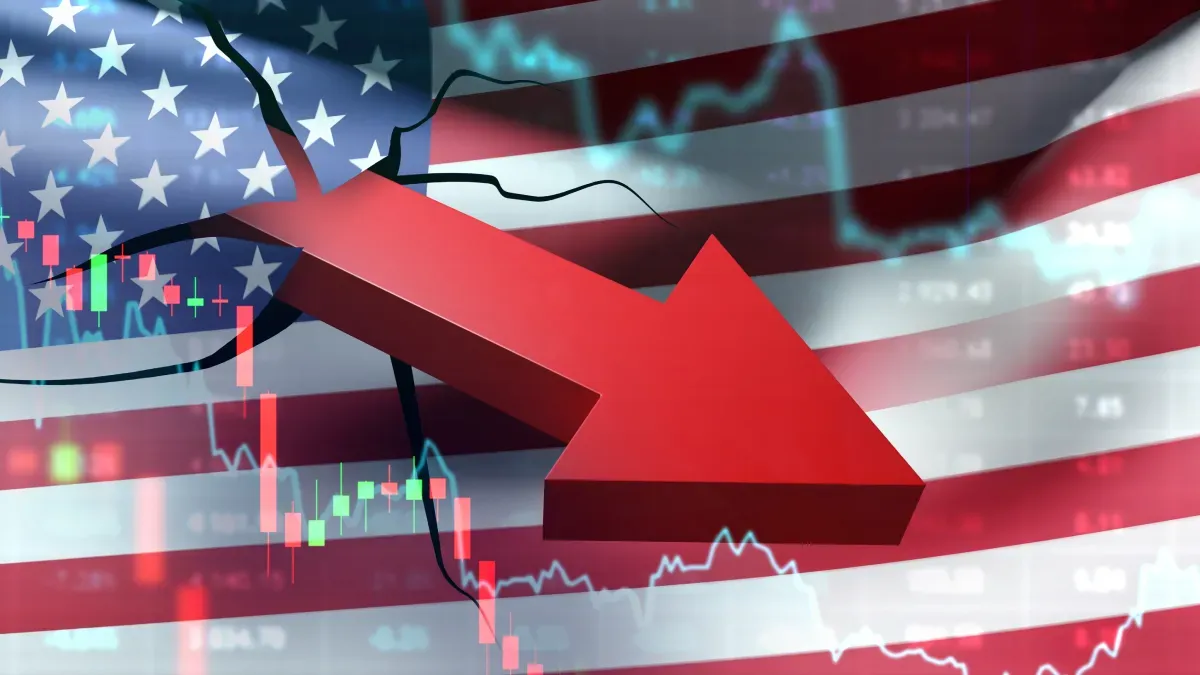
The market reacted cautiously to this release, with major indices like the SPDR S&P 500 ETF Trust moving slightly in the red. Traders are picking up the signal that the Fed is no longer speaking with one voice on guaranteeing lower borrowing costs in the future. The "higher for longer" narrative, which had subsided, is now back as a risk consideration for stock investors.
Tariff Impact and Official Rotation
Beyond macro data, discussions on the impact of import tariffs were also a highlight of the meeting. Many officials are optimistic that the inflationary effects of tariffs will be temporary, but uncertainty remains high regarding how much cost will be passed on to the end consumer. This gives the hawkish camp extra ammo to suggest a pause in rate cuts.
The situation gets more complex as the composition of FOMC voters changes in 2026. New members like Cleveland Fed President Beth Hammack and Dallas Fed President Lorie Logan are known to have stricter views on inflation. This rotation could potentially make reaching a consensus on rate cuts much harder in upcoming meetings.
Market Prediction Ahead
The bond market response was immediate, with 10-year Treasury yields ticking up after the minutes were released. A rise in yields is typically a negative sentiment for interest-rate-sensitive instruments like the iShares 7-10 Year Treasury Bond ETF. Traders are now betting that the Fed will choose to "wait and see" at the January meeting.
Data from the CME FedWatch Tool shows the probability of rates being held at the 3.50%-3.75% level in January has jumped to 84.5 percent. For investors, this means the market's focus will shift entirely to the upcoming Non-Farm Payrolls (NFP) and CPI inflation data as the sole compass for market direction.
Read More: Gold ETFs Skyrocketed 200% in 2025, Is the Rally Here to Stay?
Reference:
- Seeking Alpha, FOMC minutes illustrate divide in members' policy views and outlooks. Accessed on December 31, 2025
- CNBC, Fed minutes show officials were in tight split over December rate cut. Accessed on December 31, 2025
- TipRanks, FOMC members see upside inflation risks, downside employment risks. Accessed on December 31, 2025
- Featured Image: Shutterstock
Disclaimer
Gotrade is the trading name of Gotrade Securities Inc., registered with and supervised by the Labuan Financial Services Authority (LFSA). This content is for educational purposes only and does not constitute financial advice. Always do your own research (DYOR) before investing.