

Gotrade News - The US-Iran conflict continues to have a significant impact on the global economy. Investors are shifting funds from Wall Street to other exchanges amidst instability.
Key Takeaways:
- The war causes major fund diversion from Wall Street.
- The US experiences nearly no ETF inflows.
- Middle East instability affects global markets.
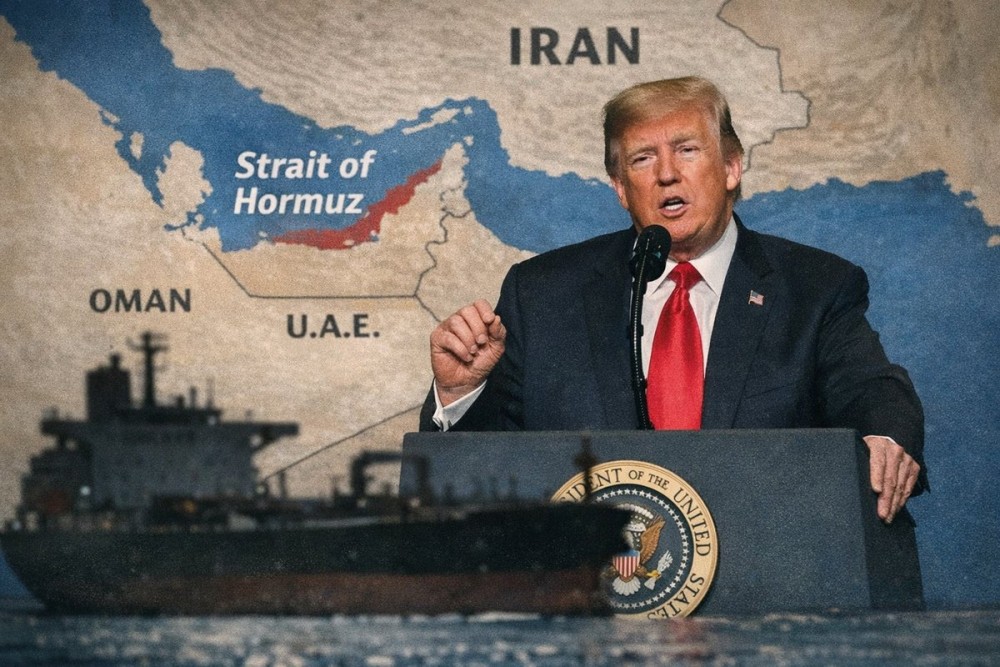
The persisting conflict in the Middle East disrupts operations at the critical port of Fujairah. Fujairah, an oil export hub, has been attacked by Iran since the war began.
Global investors are shifting focus from the US market during the conflict. According to UBS analysts, US-oriented ETFs saw almost no inflows during the first week of the war.
Meanwhile, tensions in the Middle East remain high. Dubai International Airport was temporarily closed due to drone attacks.
This conflict puts pressure on markets and creates uncertainty. The US and its allies must assess the long-term impact if the conflict persists.
Amidst these conditions, Australian and European stock markets are becoming more attractive to investors. This indicates diverse strategies adopted in facing the global economic situation.
However, major questions about the stability and duration of the conflict remain. High vigilance is needed by market participants in making future investment decisions.
This uncertainty demands investors be more flexible and strategic when choosing investment portfolios. The right choice can help better navigate market turbulence.
The economic shock from the US-Iran conflict serves as a reminder of the political risks in global trade. Continuous monitoring of the situation is essential for all parties involved.
Reference:
- Bloomberg, Latest Oil Market News and Analysis for March 16. Accessed on March 16, 2026
- Bloomberg, Japan's Stocks Face Earnings Risk as Iran Conflict Lifts Oil. Accessed on March 16, 2026
- Bloomberg, Gold Wavers Near $5,000 as Mideast War Keeps Oil Prices Elevated. Accessed on March 16, 2026
Featured Image: GPT Image 1.5