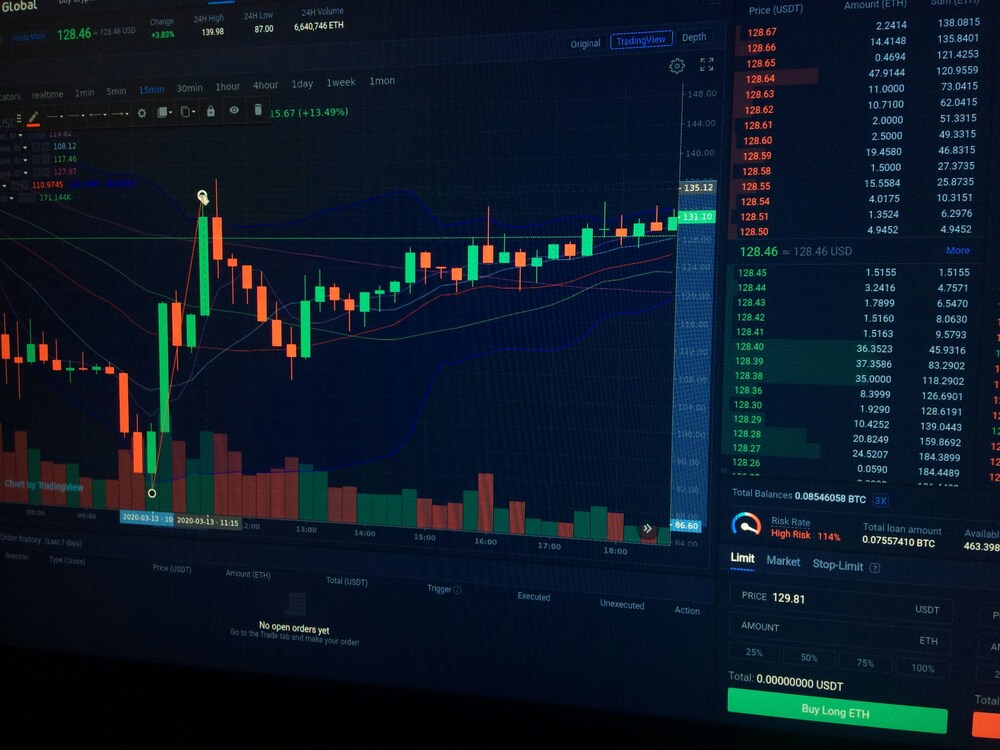
Entering financial markets can be exciting, but many new traders experience losses early in their trading journey. Understanding trading mistakes beginners commonly make can help reduce avoidable errors and improve long-term performance.
Many common trading mistakes happen not because traders lack intelligence, but because they underestimate the importance of discipline, risk management, and structured decision-making.
Why Beginner Traders Often Lose Money
Beginner traders often focus heavily on finding profitable trades while overlooking the importance of risk control and trading discipline.
Several factors contribute to early trading losses:
-
unrealistic profit expectations
-
lack of a structured trading strategy
-
emotional reactions to market movements
-
poor risk management practices
Financial markets are highly competitive environments. Traders who fail to develop structured decision-making processes often struggle to maintain consistent performance.
Learning from common mistakes can significantly improve trading outcomes.
Beginner Traders' Mistakes
1. Overtrading and excessive positions
One of the most common mistakes beginners make is trading too frequently.
Overtrading occurs when traders enter too many positions in a short period, often without strong trade setups. This behavior increases transaction costs and exposes traders to unnecessary risk.
2. Ignoring risk management
Many beginners focus entirely on potential profits and neglect risk management. Without proper risk controls, even a few losing trades can significantly reduce trading capital.
Setting stop-loss orders and limiting risk per trade are essential for long-term survival in the market.
3. Emotional trading decisions
Fear and greed often influence trading decisions. For example:
-
fear may cause traders to exit winning trades too early
-
greed may encourage holding losing positions for too long
Emotional trading can lead to inconsistent and impulsive decision-making.
4. Lack of a trading plan
A trading plan defines how traders enter and exit positions, manage risk, and evaluate market opportunities.
Without a plan, traders often react to short-term price movements rather than following a structured strategy. A clear trading plan improves discipline and consistency.
5. Chasing momentum without analysis
Some beginners buy stocks simply because prices are rising rapidly.
While momentum can be a valid trading strategy, blindly chasing price movements without analysis often leads to entering trades near market tops.
Successful traders evaluate trend strength, volume, and risk before entering positions.
6. Holding losing trades too long
Another common mistake is refusing to accept losses. Traders sometimes hold losing positions in the hope that prices will eventually recover.
However, small losses can quickly grow into large losses if positions are not managed properly.
7. Using excessive leverage
Leverage amplifies both gains and losses. Beginner traders who use high leverage may experience large drawdowns even from small price movements.
Careful position sizing and moderate leverage are essential for sustainable trading.
8. Ignoring market context
Some traders focus on individual stocks without considering broader market conditions.
For example, buying stocks aggressively during a weak market environment can increase the probability of losses.
Understanding overall market trends helps improve trade selection.
9. Trading without sufficient knowledge
Entering trades without understanding how financial markets work is another common mistake. Successful traders invest time in learning about:
-
risk management
-
market psychology
-
trading strategies
Education plays a key role in developing trading competence.
10. Lack of trade journaling
Many beginners fail to track their trades. A trading journal allows traders to record:
-
entry and exit decisions
-
reasons for taking a trade
-
mistakes and lessons learned
Reviewing past trades helps identify patterns and improve future performance.
11. Unrealistic profit expectations
Some traders enter the market expecting to generate large profits quickly. Unrealistic expectations often lead to excessive risk-taking and emotional decision-making.
Successful trading usually requires patience, discipline, and long-term consistency.
12. Following tips without independent analysis
Relying solely on social media tips or market rumors can be risky. Not all recommendations are based on reliable analysis.
Experienced traders typically conduct their own research and confirm signals before entering trades.
Conclusion
Most beginner trading losses come from behavioral mistakes rather than a lack of market opportunities. By understanding common errors such as overtrading, emotional decision-making, and weak risk management, traders can develop more disciplined strategies.
Avoiding these common trading mistakes helps beginner traders build better habits and improve long-term trading performance.
FAQ
Why do most beginner traders lose money?
Many beginners lose money due to poor risk management, emotional trading decisions, and lack of a structured trading strategy.
What is the most common mistake beginner traders make?
Overtrading and ignoring risk management are among the most frequent mistakes.
How can beginner traders avoid these mistakes?
Developing a trading plan, managing risk carefully, and maintaining a trading journal can significantly improve trading discipline.
References
- Schwab, Common Trading Mistakes to Avoid, 2026
- CFA Institute, 10 Beginner Trading Mistakes and How to Avoid Them, 2026