
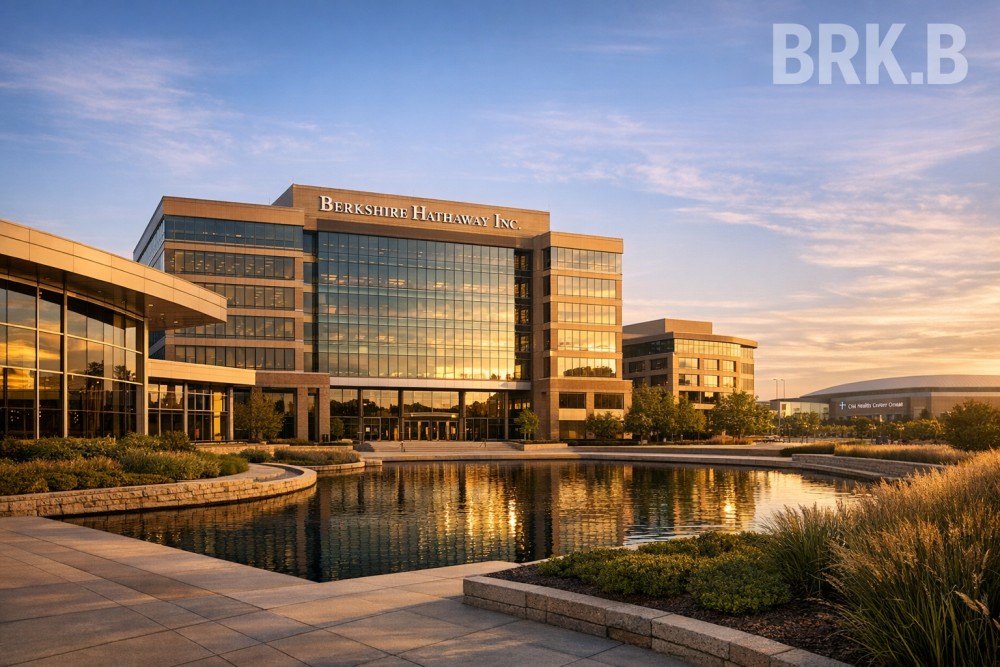
The Berkshire Hathaway annual meeting in Omaha lands Saturday, May 2, paired with the BRK.B Q1 2026 print. This is the first "Woodstock for Capitalists" without Warren Buffett at the CEO podium.
Greg Abel took over on January 1, 2026, with Buffett moving to chairman emeritus. The cash pile sits at a record level above $370 billion.
Q4 2025 brought meaningful equity portfolio changes worth tracking, including a fresh AAPL trim and a deeper BAC reduction. The OXY position held steady despite an impairment charge.
If you hold Berkshire Hathaway (BRK.B) as a defensive anchor, the Q1 print and meeting Q&A will reset your read on the next 12 months. Here is the 3-signal framework for existing holders.
3 Signals to Watch in the Q1 Print and Annual Meeting
The Q1 release and the live Q&A will surface three numbers that matter more than the headline EPS. Each one ties directly to how you should size BRK.B in your portfolio from here.
1. Cash position and Treasury bill allocation
Berkshire ended 2025 with a record cash hoard. According to Yahoo Finance, the cash and Treasury bill balance reached $373.3 billion at year-end.
The Q1 print will show whether Abel deployed capital, sat tight, or kept compounding T-bill yield. Buybacks resumed in March 2026, so the share repurchase line is the first place to look.
Watch the ratio of Treasury bills versus operating cash. A higher T-bill share signals Abel is still waiting for valuations to come in.
Net buybacks above $2 billion would mark a clear pivot toward returning capital. A flat or token repurchase number means the Berkshire patience playbook continues.
2. Insurance float and underwriting margin
Insurance is the engine that funds every other Berkshire bet. Q4 2025 underwriting profit fell 54% on a tougher pricing environment, raising eyebrows heading into the new year.
Q1 will reveal whether the underwriting reset is a one-quarter blip or a multi-quarter softening. Float growth alongside margin recovery is the bull case for the stock.
If float shrinks and margins stay compressed, the defensive thesis weakens. That is the data point most existing holders underweight.
GEICO underwriting trends are the cleanest single read on the segment. Auto insurance pricing dynamics show up in margin first, premium volume second.
3. Equity portfolio: AAPL trim, OXY add, BAC reduce
The Q4 13F showed continued trimming of legacy winners. According to CNBC, the buyback and tech-strategy questions will dominate the Q&A given the cash position.
Berkshire reduced Apple (AAPL) by roughly 4% in Q4 and cut Bank of America (BAC) by another 9%. Meanwhile, the position in Occidental Petroleum (OXY) remains a long-term commitment despite an impairment charge.
Coca-Cola continues as a core holding. The Coca-Cola (KO) dividend stream is exactly the kind of recurring cash flow Abel signaled he wants more of.
Q1 may show further AAPL and BAC trims, or the trimming may pause if valuations softened in the quarter. Either way, the size of any new initiation will signal Abel's appetite for fresh ideas.
Existing holders should map the rotation against their own portfolio. If you already overlap on AAPL and BAC directly, BRK.B gives you indirect exposure that is shrinking by design.
Open your portfolio and check your BRK.B weight before Saturday. Review your defensive allocation on Gotrade and decide if you want to add, hold, or trim ahead of the print.
BRK.B as a Defensive Anchor in Your Portfolio
BRK.B has historically traded as a low-beta defensive equity with a built-in hedge from the cash pile. The succession from Buffett to Abel does not change that structural property.
If you are an existing holder, the question is sizing rather than presence. A 5-10% allocation to BRK.B can absorb portfolio volatility from your higher-beta positions without dragging long-term returns.
The Greg Abel handover is the new variable to underwrite. He is operations-focused, less marquee, and has clearly signaled continuity around decentralized capital allocation rather than radical change.
The first meeting Q&A is the highest-signal event for reading Abel's tone. Watch for any hints on technology exposure, given Berkshire's historical caution and the rise of AI-driven capital spending.
For holders who watch earnings closely, a refresher on how to read an earnings report helps frame what to extract from the Q1 release.
Pair that with earnings calendar planning so the meeting Q&A does not catch you off guard.
Conclusion
The 2026 annual meeting is a reset moment for every BRK.B holder. The cash deployment story, insurance margin trajectory, and equity portfolio rotation are the three signals that will define the next 12 months.
Existing holders should treat this as a sizing decision, not a buy or sell call. The defensive anchor case is intact, but the post-Buffett era requires watching execution rather than narrative.
Open the Gotrade app, review your BRK.B weight, refresh your defensive bucket, and add the anchor names to your watchlist before May 2.
FAQ
When is the Berkshire Hathaway 2026 annual meeting?
Saturday, May 2, 2026, at the CHI Health Center in Omaha, Nebraska.
Who is leading Berkshire Hathaway after Warren Buffett?
Greg Abel became CEO on January 1, 2026, with Buffett continuing as chairman emeritus.
How big is the Berkshire Hathaway cash position?
The cash and Treasury bill balance reached a record $373.3 billion at the end of 2025.