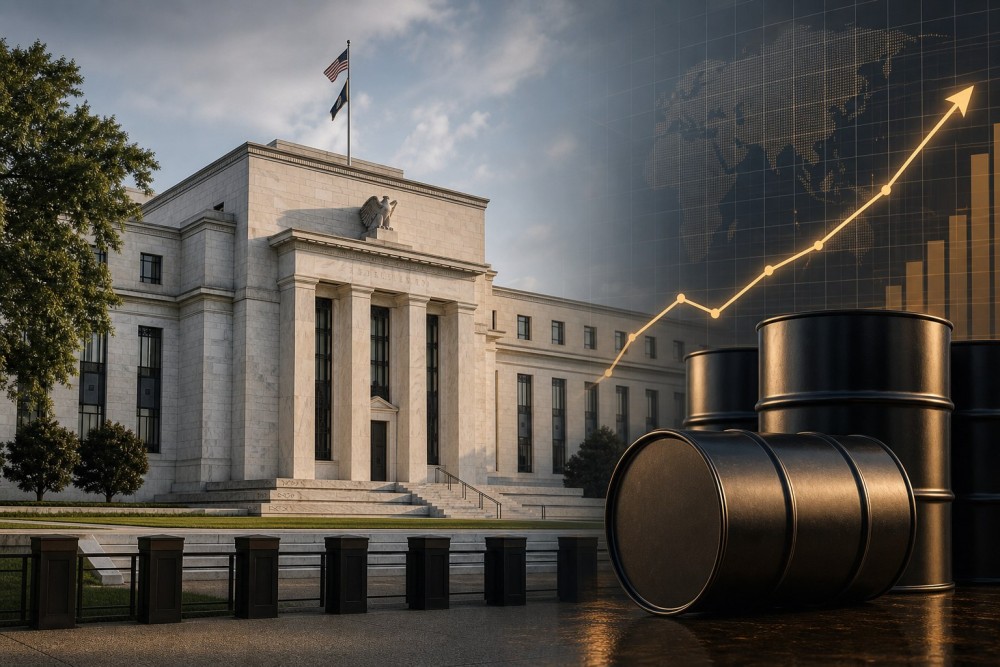
The May 2026 FOMC minutes, released on May 21, surprised markets by revealing how fractured the committee has become. Investors who only watched the headline rate decision missed the real signal underneath.
Three distinct camps emerged inside the room, and a hawkish axis is openly keeping rate hikes on the table. For retail investors holding US stocks, this changes the playbook on which sectors to lean into.
Here is how to decode the framework and reposition without overreacting.
Three Camps Inside the Committee: Doves, Pause, and the Hawkish Axis
The minutes describe several participants who believe additional rate cuts could still be appropriate if inflation keeps trending toward the 2 percent target. This is the dovish camp.
A second group argued rates should be held unchanged for a period to let the data settle. This pause camp is now the swing vote.
The third camp said cuts may not be warranted until clear evidence of inflation moderation appears. They want proof, not projections.
For investors, the practical read is that the path of rates in the second half of 2026 is genuinely uncertain. Positioning for one outcome only is the bigger risk than the rate path itself.
Why Hammack, Kashkari, and Logan Are Pushing Back Against Cuts
Cleveland Fed President Beth Hammack, Minneapolis Fed President Neel Kashkari, and Dallas Fed President Lorie Logan form the visible hawkish axis. Chair Kevin Warsh confirmed this group had aligned before he took the helm.
Their pushback rests on a specific worry: a premature cut could re-anchor inflation expectations above target. That would force a harder reversal later.
Several officials endorsed what the minutes called a two-sided approach. In plain English, this keeps the option of a rate hike alive if inflation re-accelerates.
Retail investors should treat this as a regime signal. The Fed put is weaker than it was twelve months ago, which means quality of earnings matters more than rate-cut hope.
Oil Futures Curve as the New Inflation Wildcard
The minutes flagged profound concern that the upward shift in the crude oil futures curve is pushing near-term market inflation expectations higher. This is the variable to watch.
When the front of the oil curve rises, breakeven inflation rates climb with it. The Fed reads that as a signal the market is pricing in stickier inflation.
How the curve transmits to policy
If oil-driven breakevens stay elevated for a few months, the hawks gain ammunition. A pause stretches into a hold, and the rate-cut narrative collapses.
What to monitor week to week
Watch the 1-year and 2-year breakeven spreads alongside front-month WTI futures. A simultaneous rise in both is the warning signal that the two-sided framework tilts hawkish.
Energy exposure becomes a hedge, not a bet. Holdings in XLE or single names like XOM and CVX offer that hedge while still paying meaningful dividends.
Sectors at Risk: Long-Duration Tech, REITs, Rate-Sensitive Growth
Long-duration assets are the most exposed when rate-cut timelines slip. Their valuations depend heavily on the discount rate applied to distant cash flows.
High-multiple growth names like NVDA can still perform on earnings, but multiple compression risk is higher in a hawkish-tilt regime.
REITs and rate-sensitive corners
REITs face a double headwind. Higher-for-longer rates raise their refinancing costs and compress the yield spread that makes them attractive versus Treasuries.
Unprofitable growth and small caps
Companies still burning cash and rolling debt are the most vulnerable. The two-sided framework means the cost of capital may stay elevated longer than consensus expects.
The reposition is not to dump these holdings. It is to trim concentration and add quality on dips.
Sectors That Benefit: Energy, Financials, Short-Duration Defensives
Energy is the cleanest beneficiary if the oil curve stays elevated. Higher crude flows directly to revenue for integrated majors and producers.
Financials win in a different way. A steeper yield curve and a Fed that holds longer support net interest margins for banks. The XLF sector ETF captures that exposure broadly.
Short-duration defensives also do well. Dividend growers in staples and healthcare, accessible through funds like VIG, offer income and lower interest rate sensitivity.
Despite the hawkish tilt, the S&P 500 and Nasdaq actually held onto gains after the May 21 release. That tells you the market is not pricing immediate panic. It is rotating quietly underneath, and so should retail portfolios.
Conclusion
The May 2026 FOMC minutes did not deliver a clean policy verdict. They delivered a framework: three camps, a hawkish axis, and oil as the swing factor. The honest read is that the Fed itself is uncertain, and your portfolio should respect that uncertainty rather than fight it.
Practical action looks like this. Trim concentration in long-duration tech and REITs without exiting. Add energy and financials gradually. Hold short-duration defensives as ballast. Dollar-cost averaging into these shifts beats trying to time the next hawkish or dovish surprise. If you want a primer on the discipline, read a dollar-cost averaging strategy.
Gotrade lets you build this kind of diversified US portfolio from anywhere with fractional shares, so you can act on a thesis without needing a full share to start. Open the app, find the tickers above, and reposition in a few minutes.
FAQ
What is the two-sided framework in the May 2026 FOMC minutes?
It means the Fed is keeping both rate cuts and rate hikes on the table depending on incoming inflation data.
Who are the hawks on the current FOMC?
Beth Hammack, Neel Kashkari, and Lorie Logan form the visible hawkish axis that Chair Warsh said aligned before his arrival.
Why does the oil futures curve matter for stocks?
A rising oil curve lifts inflation expectations, which makes the Fed more likely to hold rates longer and pressures long-duration equities.