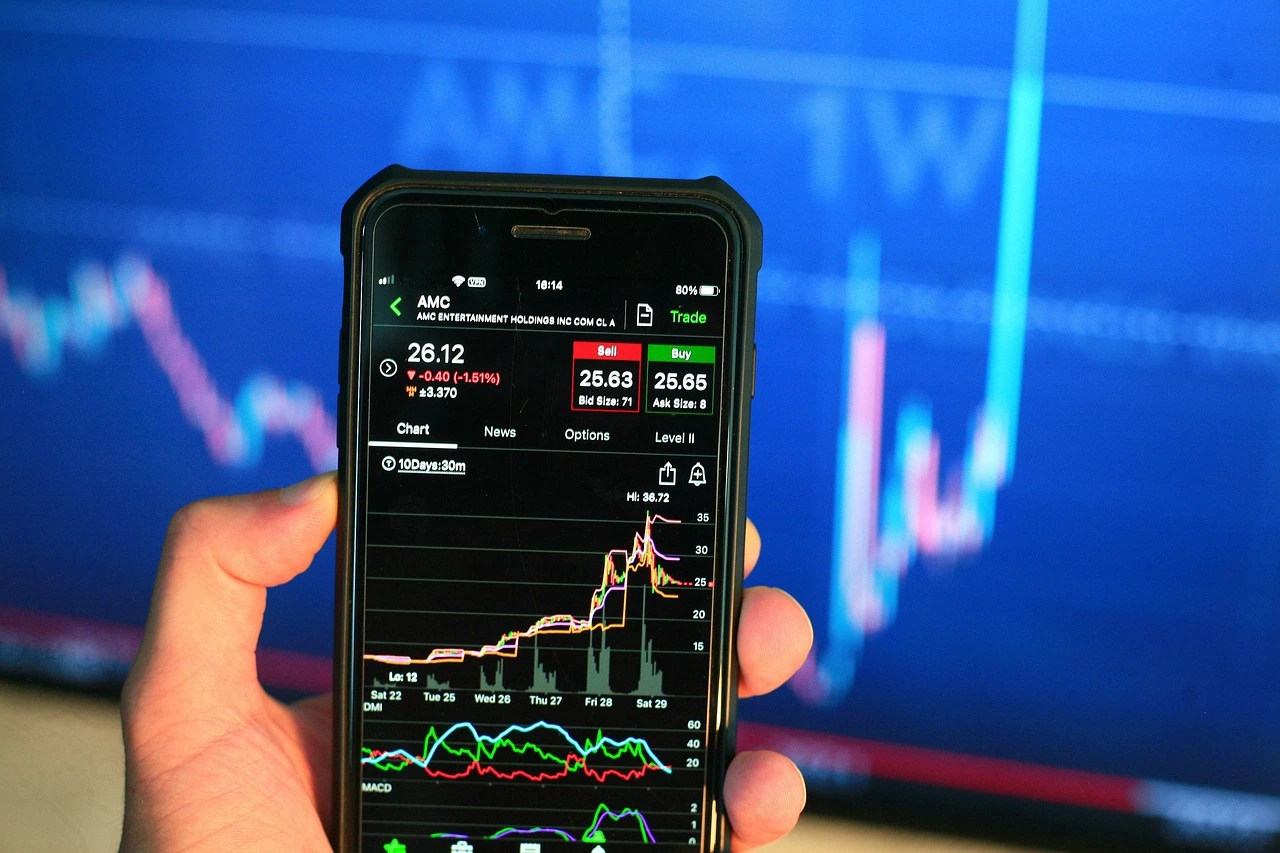
A sideways market describes a period when prices move within a relatively narrow range without establishing a clear upward or downward trend. Instead of trending higher or lower, prices fluctuate back and forth, reflecting balance between buyers and sellers. This condition is also commonly referred to as a ranging market.
Understanding a sideways market helps investors and traders interpret periods when markets appear stagnant or directionless. While these environments may seem unproductive at first glance, they play an important role in market cycles and price discovery.
Sideways Market Definition
A sideways market is a market condition in which asset prices move horizontally over time. Prices oscillate between support and resistance levels without forming higher highs or lower lows.
Sideways markets are characterized by:
-
Limited directional movement
-
Repeated price reversals within a range
-
Balanced supply and demand
A ranging market does not imply low activity or low importance. It reflects a pause or consolidation phase where the market digests prior moves and reassesses expectations.
How Sideways Markets Form
Balance between buyers and sellers
Sideways markets develop when buying and selling pressure are relatively equal. Neither side has enough conviction to push prices into a sustained trend.
This balance often follows strong trends. After significant moves, participants may hesitate to commit additional capital at current prices.
Uncertainty in market expectations
Ranging markets often reflect uncertainty. Economic data, earnings outlooks, or policy direction may be mixed or unclear.
When expectations are not aligned, markets tend to wait. Prices move within a range as participants seek clearer signals.
Transition phases in market cycles
Sideways markets frequently occur between major phases of market cycles. They may appear after a bull market rally or following a bear market decline.
These periods allow markets to reset before establishing the next directional move.
Key Characteristics of a Sideways Market
Horizontal price movement
The most defining feature of a sideways market is horizontal movement. Prices repeatedly test similar highs and lows without breaking out. This creates visible trading ranges that persist over time.
Defined support and resistance levels
Sideways markets are often bounded by clear support and resistance levels. Support represents a price area where buying interest emerges.
Resistance represents a price area where selling pressure increases. Prices tend to bounce between these levels during ranging periods.
Reduced trend strength
Trend strength indicators often weaken during sideways markets. Momentum fades as prices fail to extend in one direction.
This lack of follow-through distinguishes ranging markets from trending environments.
Sideways Market vs Trending Market
Directional clarity
Trending markets show consistent movement in one direction. Sideways markets lack this clarity and direction.
In a trending market, pullbacks are followed by continuation. In a sideways market, price reversals are more common.
Volatility profile
Sideways markets may still experience volatility, but volatility tends to be contained within a range.
Trending markets often see volatility expand as prices accelerate in one direction.
Investor and trader behavior
During trending markets, participants often focus on momentum and continuation strategies.
In sideways markets, behavior shifts toward patience and range-based expectations.
Implications of a Sideways Market for Investors
Impact on long-term investing
For long-term investors, sideways markets can feel frustrating. Portfolio values may stagnate despite active markets.
However, these periods are a normal part of market cycles. Long-term investors often use them to rebalance or maintain discipline.
Psychological challenges
Sideways markets test patience. The absence of clear progress can lead to overtrading or unnecessary strategy changes.
Understanding that ranging markets are temporary helps manage expectations and behavior.
Opportunity cost considerations
Capital tied up during sideways markets may underperform trending assets elsewhere. This highlights the importance of diversification.
Exposure across regions or asset classes can reduce reliance on a single market’s direction.
Sideways Markets in Trading
Range-bound price behavior
In a ranging market, prices move predictably between support and resistance. This behavior creates repetitive patterns.
However, these patterns can break suddenly. Traders often remain cautious about false breakouts.
Risk of false signals
Sideways markets are known for generating false signals. Breakouts may fail and reverse quickly.
This environment requires careful risk management and confirmation rather than aggressive positioning.
Transition to new trends
Sideways markets often precede major moves. Breakouts from established ranges can signal the start of new trends.
Recognizing when a range ends is often more important than trading within it.
Why Sideways Markets Matter
Role in price discovery
Sideways markets allow markets to absorb information. Prices adjust gradually as participants reassess value.
This process helps establish more sustainable levels for future trends.
Reducing excesses
After extreme moves, sideways markets help reduce speculative excess. Volatility cools as expectations normalize.
This stabilization supports healthier long-term market structure.
Preparing for the next phase
Sideways markets often set the stage for the next major move. They act as bridges between expansion and contraction phases.
Understanding this role improves context and patience.
Conclusion
A sideways market, also known as a ranging market, is a period where prices move within a defined range without a clear trend. Understanding sideways market meaning helps investors and traders interpret periods of consolidation rather than mistaking them for inactivity or failure.
While sideways markets can test patience, they are an essential part of market cycles. Observing how prices behave within ranges and how markets transition out of them can improve awareness of market dynamics.
Platforms that allow investors to monitor price ranges, volume, and market behavior across time frames, such as the Gotrade app, can support more informed and disciplined decision-making during sideways market conditions.
FAQ
What is a sideways market?
A sideways market is a condition where prices move within a range without a clear upward or downward trend.
Is a sideways market the same as a ranging market?
Yes. The terms are often used interchangeably.
How long can a sideways market last?
Sideways markets can last weeks, months, or even years depending on conditions.
Are sideways markets bad for investing?
Not necessarily. They are normal phases that provide context and consolidation.
Reference
- Investopedia, Understanding Sideways Markets, 2026.
- AngelOne, Sideway Markets, 2026.