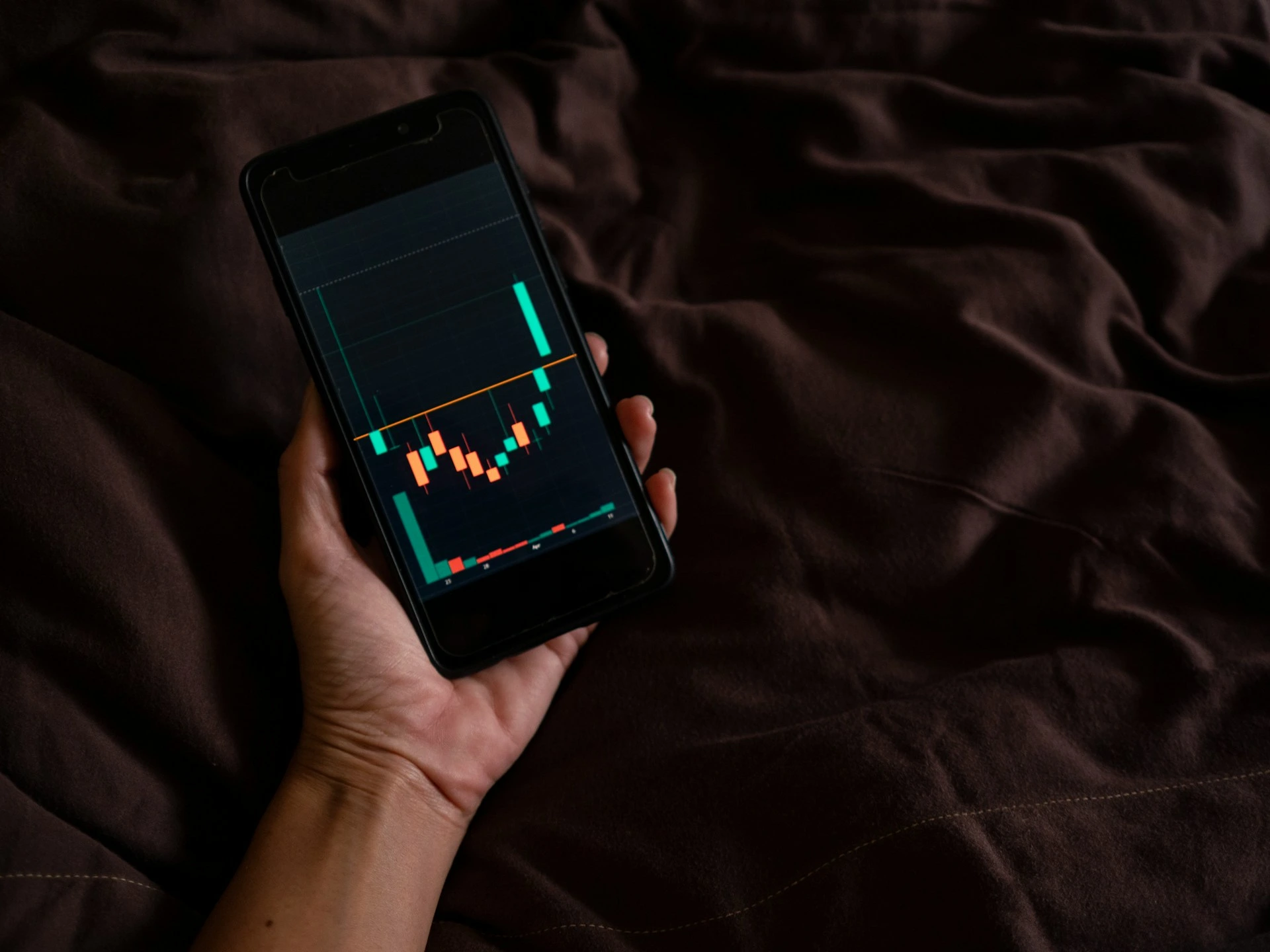
Many people start trading believing that success means winning most of the time. After a few losses, frustration sets in. Doubt follows. For many, this is where trading ends. The reality is uncomfortable but important: most trades fail, even for experienced traders.
Trading losses are not a sign of incompetence. They are a natural part of how markets work. Understanding this early helps set realistic expectations and prevents emotional decision making.
This guide explains why most trades fail, why that failure is normal, and how traders who last learn to work with losses instead of fighting them.
Why Trading Losses Are Normal
Markets are probabilistic, not predictable.
Every trade is a bet on uncertain outcomes. Even strong setups only work some of the time. A strategy does not need a high win rate to succeed. It needs positive expectancy.
This means losses are built into the system.
The Myth of High Win Rates
Many beginners believe profitable traders win 70 or 80 percent of their trades.
In reality, many professional traders operate with win rates between 30 and 50 percent. What separates them is how they manage trading losses and how large their winners are relative to losers.
A lower win rate does not mean failure. Poor risk control does.
Common Reasons Most Trades Fail
Market noise
Short term price movements are influenced by random flows, news, and liquidity. Not every setup can overcome noise.
Competition
Markets are competitive. Every trade has someone on the other side with a different view or strategy.
Timing mismatches
A trade idea can be correct but mistimed. Markets often move later than expected.
Changing conditions
Strategies work better in certain environments. When conditions shift, win rates can drop temporarily.
These factors ensure that losing trades are unavoidable.
Losses vs Bad Trading
Not all losses are equal.
- A good loss follows the plan.
- A bad loss breaks rules.
Successful traders focus on process, not individual outcomes. A well executed losing trade is not a mistake. It is the cost of participation.
Why Losses Feel Worse Than Wins
- Behavioral biases amplify the emotional impact of losses.
- Loss aversion makes losses feel more painful than equivalent gains feel good.
- Recency bias causes recent losses to dominate perception, even if the strategy is working overall.
- This emotional weight leads traders to abandon strategies prematurely.
How Trading Losses Become Destructive
Losses themselves are not the problem. They become destructive when:
-
Position sizes are too large
-
Risk per trade is inconsistent
-
Traders revenge trade after losses
-
Rules are abandoned mid strategy
These behaviors turn normal losses into account damaging events.
Expectation Setting in Trading
Trading is not about avoiding losses. It is about managing them.
Realistic expectations include:
-
Losing streaks will happen
-
Drawdowns are unavoidable
-
Emotional discomfort is part of the process
Setting expectations early prevents panic and overreaction.
The Role of Risk Management
Risk management determines how much damage losses can do.
Small, controlled losses allow traders to stay in the game. Large losses reduce flexibility and increase emotional pressure.
Position sizing, stop losses, and discipline matter more than finding perfect setups.
Why Consistency Matters More Than Accuracy?
Accuracy focuses on being right, meanwhile consistency focuses on execution.
Over time, consistent execution of a positive expectancy strategy allows winners to outweigh losers, even if most trades fail.
Trading is a long series of small outcomes, not a single decisive event.
Professional Traders and Losses
Professional traders do not fear losses.
- They expect them.
- They plan for them.
- They limit their impact.
Losses are treated as data points, not personal failures.
This mindset difference separates those who survive from those who quit.
Reframing Trading Losses
Instead of asking, “Why did this trade fail?” experienced traders ask:
-
Was the setup valid?
-
Was risk controlled?
-
Was the plan followed?
If the answer is yes, the loss is acceptable.
Conclusion
Most trades fail, and that is normal. Trading losses are part of a probabilistic system, not evidence of incompetence.
Success in trading comes from managing losses, controlling risk, and maintaining discipline through inevitable drawdowns.
If you want to practice trading with realistic expectations and proper risk controls, you can explore US stocks through the Gotrade app. Fractional shares make it easier to manage position size and learn through real market experience.
FAQ
Why do most trades fail?
Because markets are uncertain, competitive, and influenced by noise.
Can traders be profitable with many losing trades?
Yes. Profitability depends on risk management and reward size, not win rate alone.
Are trading losses a sign of bad strategy?
Not necessarily. Losses are expected even in strong strategies.
How can beginners handle losses better?
By using small position sizes and focusing on process rather than outcomes.
Reference:
Charles Schwab, How to Recover from a Big Trading Loss, 2026.
Investopedia, Risk Management Techniques, 2026.
Disclaimer
Gotrade is the trading name of Gotrade Securities Inc., which is registered with and supervised by the Labuan Financial Services Authority (LFSA). This content is for educational purposes only and does not constitute financial advice. Always do your own research (DYOR) before investing.