

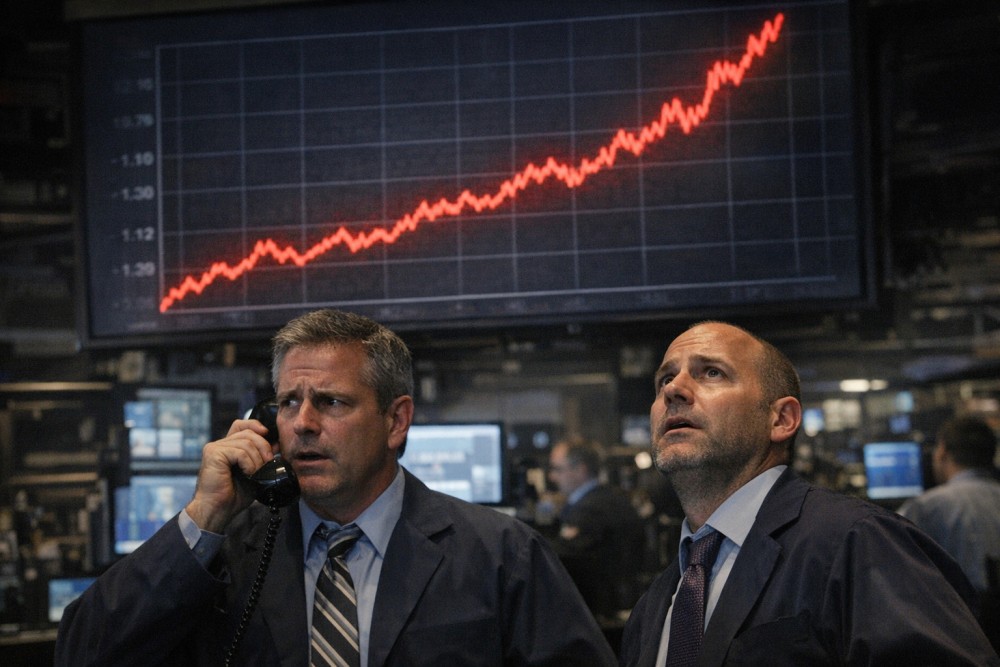
Gotrade News - The 30-year US Treasury yield climbed to its highest level since 2007 as a global bond rout deepened. According to Quartz, inflation fears tied to oil and the Iran conflict drove the surge.
Long-end yields are now repricing the discount rate underlying every US equity valuation. As reported by Bloomberg, the move may mark the structural end of the cheap-funds era.
Key Takeaways
- The 30-year US Treasury yield hit a fresh high not seen since 2007.
- Industrial metals slid as inflation and growth fears fueled a bearish mood.
- China bonds bucked the global rout with yields at a nine-month low.
Why Yields Spiked
Traders priced in stickier inflation as oil rallied on the Iran conflict and supply risk concerns. The long end led the move, signaling worries about persistent price pressures over the next decade.
Industrial metals slid in tandem as growth fears bit into the cyclical demand outlook. Per Bloomberg, copper and aluminum led the bearish move across base metals.
Not every market followed the same script during the session. According to Bloomberg, China sovereign yields fell to a nine-month low, defying the global selloff.
Japan also offered a pocket of relief as a 20-year auction drew firmer demand from domestic buyers. Pimco said it favors Japan 30-year bonds, calling that yield curve too steep relative to fundamentals.
Sector Read-Through
Higher long-end yields hit long-duration assets first, with rate-sensitive Treasury ETFs like iShares 20+ Year Treasury Bond ETF (TLT) repricing sharply. Bond ETFs move inversely to yields, so the spike translates directly into capital losses.
Big banks may benefit if the yield curve stays steeper for longer than current expectations. JPMorgan Chase (JPM) and peers earn wider net interest margins when long rates rise faster than deposit costs.
Capital-markets franchises also gain leverage when volatility lifts trading revenue across rates and credit desks. Goldman Sachs (GS) typically sees stronger fixed-income flows during sharp repricing episodes like this one.
The flip side is equity valuation pressure, especially across long-duration growth and unprofitable tech names. Higher discount rates compress the present value of distant cash flows, weighing on richly valued multiples.
If yields stay sticky, rotation away from long-duration tech into financials and value cyclicals could accelerate. The bond market is signaling that the cheap-funds regime supporting recent equity highs may be ending.
Sources
- 30-year Treasury yield hits highest level since 2007 as inflation fears deepen (Quartz)
- Bond Market Fright May End Cheap Funds Era (Bloomberg)
- China Bonds Buck Global Rout With Yields Hitting Nine-Month Low (Bloomberg)
- Pimco Favors Japan's 30-Year Bonds, Says Yield Curve 'Too Steep' (Bloomberg)
- Industrial Metals Slide as Inflation Fears Fuel Bearish Mood (Bloomberg)