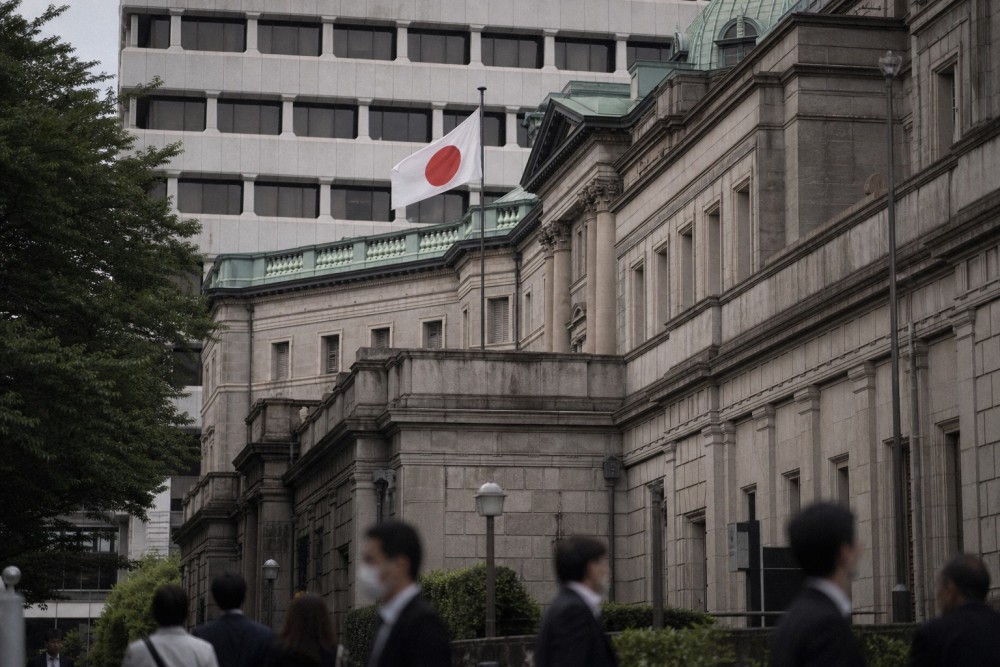
Gotrade News - The Bank of Japan raised its key short-term rate by 25 basis points to 1.0%, the highest since 1995. The historic decision passed in a 7-1 vote, sending the yen into volatile trade against the dollar.
The move reflects persistent inflation, a chronically weak yen, and elevated crude oil prices straining the economy. For US investors, the larger risk is a yen carry-trade unwind that could ripple across global equity markets.
Key Takeaways
The BOJ lifted its policy rate to 1.0% in a 7-1 vote, the highest since September 1995.
A stronger yen is a headwind for exporters like Toyota and Sony, while higher rates can aid Japanese banks.
Markets are watching for a yen carry-trade unwind, echoing the August 2024 episode that hit US equities.
According to News On Japan, the BOJ raised the rate to 1.0% in a 7-1 vote. The level marks the highest short-term policy rate since September 1995, a 31-year peak for Japanese borrowing costs.
The meeting itself was unusual in another respect that drew investor attention. Per Bloomberg, Governor Kazuo Ueda was hospitalized and did not vote.
Ueda submitted his views in writing, the first regular policy meeting ever held without the governor present. Deputy Governor Shinichi Uchida led the post-meeting press conference on June 17 to explain the decision.
The vote split signals a committee largely aligned behind tighter policy after years of ultra-low rates. That conviction matters because it shapes how aggressively markets price the path of future BOJ hikes.
The yen pared early gains after the announcement, signaling that traders expect more tightening ahead. As Bloomberg reported, inflation and oil prices drove the move.
A stronger yen erodes the overseas earnings of Japanese exporters when those revenues convert back home. That dynamic pressures NYSE-listed names such as Toyota (TM) and Sony (SONY).
Both companies generate large portions of revenue abroad, so currency strength can compress reported profit margins. US investors holding these stocks face a translation headwind even when underlying unit sales remain steady.
Higher domestic rates tell a different story for Japan's lenders, which earn more on loans and deposits. Bank ADRs like Sumitomo Mitsui Financial (SMFG) can benefit as net interest margins widen on tighter policy.
What It Means for US Investors
The sharpest cross-market risk is the unwinding of the yen carry trade, a popular leveraged strategy. Investors borrow cheaply in yen to buy higher-yielding assets, and a rising yen forces costly position exits.
That mechanism amplified the August 2024 selloff, when a surprise BOJ shift jolted US technology shares broadly. Mega-caps sensitive to global liquidity, including the largest US chipmakers, saw sharp single-session swings then.
For now, the orderly yen reaction suggests no immediate repeat of that disorderly deleveraging episode. Still, US investors should monitor yen volatility as a leading signal for risk appetite across equities.
Positioning around currency-sensitive names rewards patience rather than reactive trading on single-day moves. A measured BOJ path, if sustained, lets exporters and banks adjust before the next policy decision lands.
Gotrade is the trading name of Gotrade Securities Inc., which is registered with and supervised by the Labuan Financial Services Authority (LFSA). This content is for educational purposes only and does not constitute financial advice. Always do your own research (DYOR) before investing.