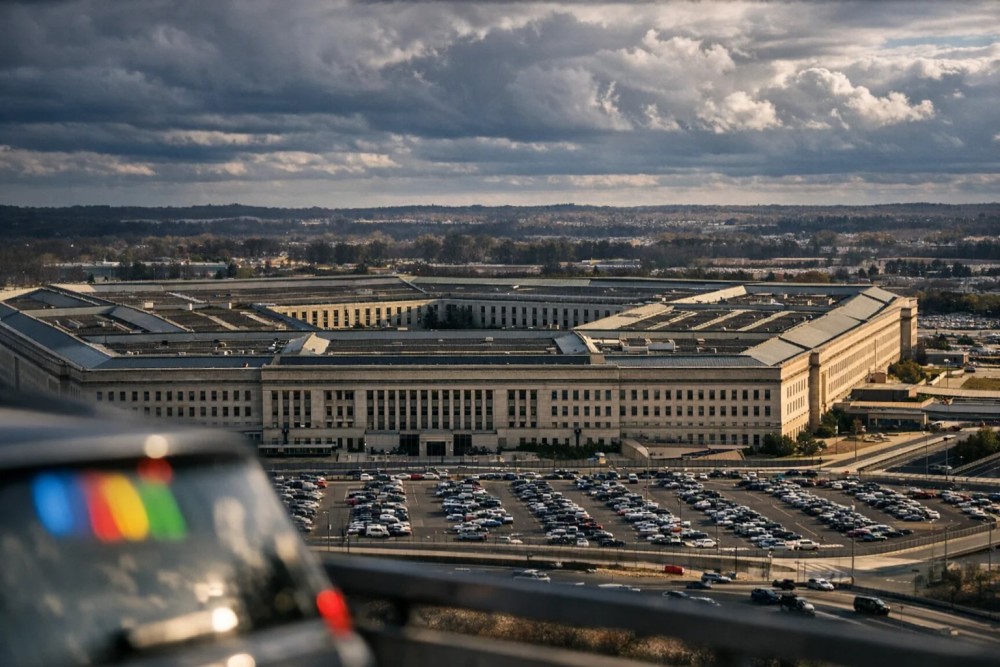


Gotrade News - The United States launched a naval blockade at the Strait of Hormuz on Monday (14/04), cutting maritime access to Iranian ports and coastal areas. Brent crude immediately surged 4.4% to $99.36 per barrel as global energy markets priced in the disruption.
According to Reuters, WTI crude rose 2.6% to $99.08 per barrel, with initial spikes reaching $150 per barrel for physical European delivery before correcting. The Strait of Hormuz normally carries roughly 20% of the world's oil and liquefied natural gas supply.
Key Takeaways:
- Brent crude rose 4.4% to $99.36/barrel after the US blockade began Monday (14/04)
- Ship traffic through the strait dropped from 100+ per day to just 34, per unverified Trump claims
- Peace talks are back on the table after Islamabad negotiations failed, but Iran has not confirmed participation
President Trump stated at the White House, "We were contacted this morning by the right people, and they want to make a deal," without naming who reached out. This came after Vice President JD Vance returned from 21 hours of negotiations in Islamabad without an agreement.
The conflict has now stretched into its seventh week following US-Israel military action on February 28. Iran attributes the collapse of the Islamabad talks to US actions and has not yet confirmed whether it will participate in renewed negotiations through Pakistani, Egyptian, and Turkish mediators.
Energy Markets Under Pressure
Reuters reported that ship traffic through the strait fell from over 100 vessels per day to just 34 on Sunday, though this figure remains unverified. Physical market prices briefly spiked to around $150 per barrel for European delivery before settling near $99, reflecting the gap between spot anxiety and futures pricing.
IEA head Fatih Birol stated that member nations are ready to release strategic reserves if the situation deteriorates further. OPEC also cut its Q2 global demand projection by 500,000 barrels per day, compounding pressure on the supply outlook.
US gasoline and diesel prices have reached their highest levels since mid-2022, according to Reuters. Saudi Arabia has also begun reducing May oil supplies to China, adding a secondary supply shock to an already strained global market.
RBC Capital Markets analyst Helima Croft noted that futures prices could align with physical market levels if the blockade is fully enforced. EU fossil fuel costs have increased by an estimated 22 billion euros since the conflict began.
Which Stocks Are in Focus
Energy producers stand to benefit directly from elevated crude prices, with Exxon Mobil and Chevron among the most closely watched. Oilfield services companies Halliburton and Schlumberger are also seeing increased attention as prolonged disruption supports upstream spending.
Lockheed Martin and the broader defense sector remain in focus as military escalation tends to drive US defense budget expectations higher. Meanwhile, Iranian Parliament Chair Mohammad Bagher Ghalibaf warned that the world would soon miss $4-5 per gallon fuel prices.Volatility cuts both ways, and that is exactly the kind of market environment where options strategies become valuable. On Gotrade, you can trade US stock options to position for moves in either direction, whether oil rallies further or a ceasefire snaps prices back down.
Mizuho Director Bob Yawger noted there is still some hope for a ceasefire as communications remain open between the two sides. Until the blockade is lifted, energy price volatility is expected to persist through the coming days.
Sources:
- Blokade Iran Ganggu Rantai Pasok Global - Kompas Money
- Blokade Hormuz Dimulai, Trump Sebut Iran Ingin Capai Kesepakatan - Bloomberg Technoz
- AS Resmi Blokade Selat Hormuz, Trump Ancam Kapal Iran - Liputan6