Indonesia External Debt Nears US$444 Billion in May 2026
Setya Mahardika
Tim Gotrade
Reviewed by Gotrade Internal Analyst
Share this article
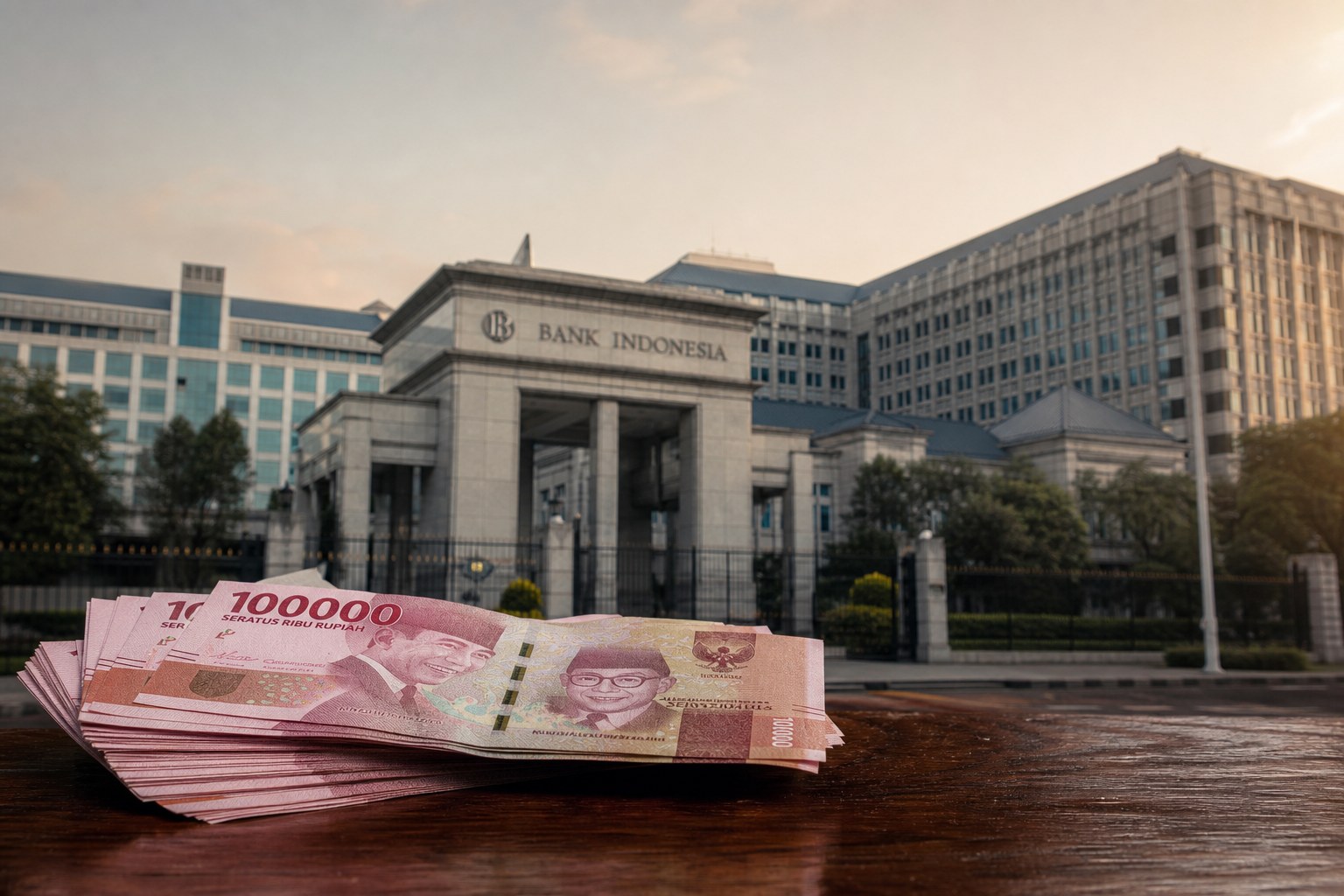
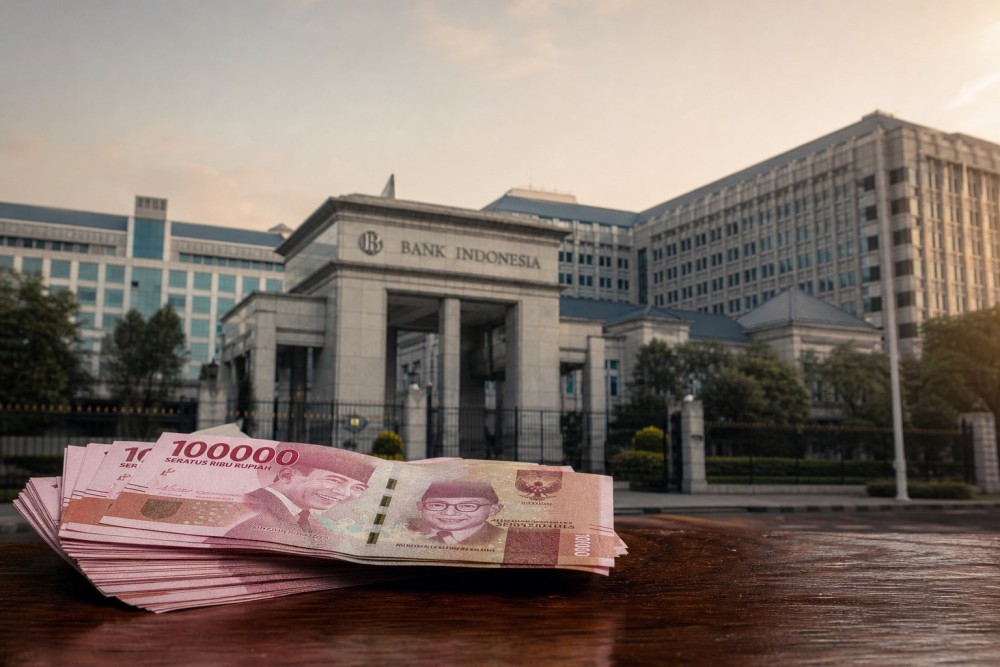
Gotrade News - Indonesia's external debt climbed toward US$444 billion in May 2026, reaching US$444.4 billion and rising 2.1% year-on-year as foreign investors added to their holdings of the country's sovereign bonds. According to Kompas, the figure is equivalent to roughly Rp 8,030 trillion at about Rp18,075 per US dollar, and marks a pickup from the 2.0% annual growth recorded in April 2026, when the position stood at US$439.8 billion. Indonesia is Southeast Asia's largest economy, so shifts in how it funds itself are closely watched by emerging-market investors.
Key Takeaways
Total external debt hit US$444.4 billion in May 2026, up 2.1% year-on-year.
Government borrowing rose 3.7% on foreign inflows into sovereign bonds (SBN).
The debt-to-GDP ratio held at 29.9%, with 83.9% of debt long-term.
The core reading originates from Bank Indonesia's monthly external-debt statistics release (known locally as SULNI), dated Wednesday, July 15, 2026. Ramdan Denny Prakoso, Head of Bank Indonesia's Communications Department, said the country's May external-debt position "remained well-maintained" and is managed prudently, framing the increase as controlled rather than a sign of strain.
Government Borrowing Drove the Increase
Government external debt reached US$217.3 billion, up 3.7% year-on-year. As reported by Katadata, the gain was driven by nonresident inflows into government securities (SBN), the Indonesian sovereign bonds sold to fund the state budget, which officials read as a signal of investor confidence in the country's fiscal management.
Central-bank external debt also rose, lifted by foreign holdings of Bank Indonesia Rupiah Securities, or SRBI. These are short-term instruments the central bank issues to manage liquidity and support the rupiah rather than to finance spending. Private-sector external debt, by contrast, edged down 0.1% year-on-year to US$195.9 billion, leaving companies a marginally smaller share of the total.
By use, the government's borrowing is concentrated in public services: health and social services accounted for 22% of the sector allocation, public administration and defense 20.6%, and education services 16.2%.
Debt-to-GDP Held at 29.9%
Two structural measures point to a manageable profile. The debt-to-GDP ratio stood at 29.9%, low by the standards of many developed economies, and long-term borrowing made up 83.9% of the total, according to Bank Indonesia's assessment. A high long-term share reduces near-term rollover risk, meaning less of the debt must be refinanced in any given year.
For global investors, the read-through is macro rather than corporate. With the rupiah trading near 18,000 per US dollar and global interest rates in focus, some investors watching emerging-market fundamentals rotate part of their exposure into USD-denominated US assets such as the S&P 500 ETF (SPY) or large financials like Goldman Sachs (GS) and JPMorgan Chase (JPM), whose earnings track the same rate backdrop that shapes emerging-market debt flows.
Singapore Leads Indonesia's Country Creditors
Per Kompas, Singapore is Indonesia's largest single-country creditor, followed by the United States, China, Japan, and Hong Kong. Multilateral lenders provided US$47.19 billion in total, led by the World Bank's IBRD and the Asian Development Bank.
Creditor
Amount (US$ billion)
Singapore
52.51
United States
27.99
China
25.52
Japan
21.29
Hong Kong
20.35
Multilateral (total)
47.19
of which IBRD (World Bank)
21.42
of which ADB
12.42
Taken together, the data describes a debt load that is growing modestly, tilted toward long-term maturities, and still well below the levels that typically trouble sovereign-debt analysts. For Indonesia, the May figures reinforce a picture of steady, government-led borrowing backed by continued foreign appetite for its bonds.
Gotrade is the trading name of Gotrade Securities Inc., which is registered with and supervised by the Labuan Financial Services Authority (LFSA). This content is for educational purposes only and does not constitute financial advice. Always do your own research (DYOR) before investing.
Gotrade is the trading name of Gotrade Securities Inc., which is registered with and supervised by the Labuan Financial Services Authority (LFSA). This content is for educational purposes only and does not constitute financial advice. Always do your own research (DYOR) before investing.