

Gotrade News - Escalating tensions due to the Iran conflict have led to a sharp increase in ship fuel prices and container rates in Asia. This situation is drawing significant attention as it impacts the stability of supply and inter-island tariffs.
Key Takeaways:
- Rising prices are altering distribution strategies in Singapore.
- Changes in shipping rates indicate potential recovery despite inconsistency.
- The market faces uncertainty regarding Red Sea routes.
Bloomberg reports that ship fuel distributors in Singapore are delaying large orders. Price fluctuations due to the Persian Gulf conflict are the main reason, prompting the market to exercise caution.
This situation creates an impression of a tighter local market than usual. Nevertheless, wholesale supplies are still deemed sufficient by historical standards.
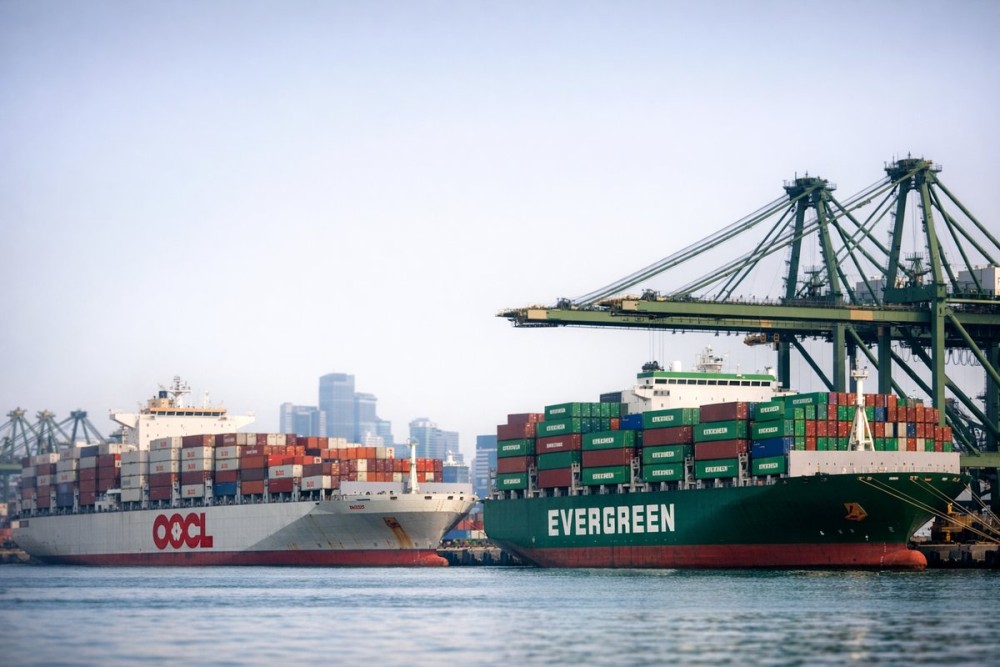
In the shipping industry, reports from Bloomberg indicate that container companies from China and Taiwan are undergoing significant adaptation. The increase in freight rates is welcome news after a full year of declining profits.
Companies like Orient Overseas International Ltd and Evergreen Marine Corp are beginning to show signs of rate recovery. Hopes of reopening the Red Sea route that vanished have dispelled supply surplus pressures.
Goldman Sachs warns that the closure of the Strait of Hormuz could trigger congestion at alternative ports, posing a risk of further increasing shipping rates.
These changes in distribution patterns and rates are crucial to monitor. For investors and industry players, this momentum signifies the need for adaptive policies amidst global uncertainty.
Reference:
- Bloomberg Technoz, Perang Iran Kerek Harga BBM Kapal, Impor dari Hub Singapura Drop. Accessed on March 17, 2026
- Bloomberg Technoz, Perang Iran Dongkrak Tarif Kontainer, Pelayaran Asia Bangkit. Accessed on March 17, 2026
- Katadata, Airlangga Beberkan Tiga Skenario Dampak Perang Iran ke Ekonomi Indonesia. Accessed on March 17, 2026
Featured Image: GPT Image 1.5