
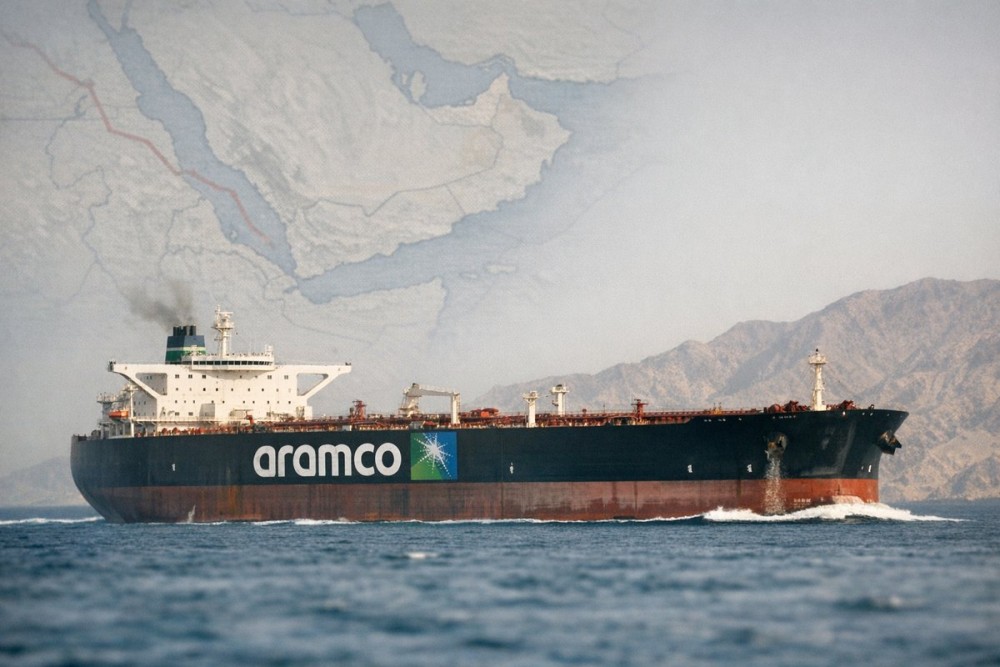
Gotrade News - Saudi Arabia faces pressure from a conflict disrupting key global energy routes. Oil shipments to China and India are expected to decline next month due to disruptions in the Strait of Hormuz. Aramco has been forced to reroute part of the flow through the Red Sea pipelines as a temporary solution.
Key Takeaways:
- Oil shipments to Asia are increasingly tight.
- Import costs are rising for Asian countries.
- Investors fear market risks are underestimated.
Consequently, supply to Asia becomes tighter and costs rise for importers. This weakness raises concerns that the global market may be underestimating the conflict's impact on the real economy. Rob Kapito from BlackRock warns that investors may be mispricing risks from the Iran conflict.
He argues that the impact on growth and inflation could persist even if the conflict ends tomorrow. With supply chains in disarray, oil prices could spike to $150 per barrel. Jim Zelter from Apollo also highlights the increased risk of a U.S. recession and pressure on the credit cycle due to this prolonged conflict.
Thus, markets might be ready for a quick resolution, even as shocks are just beginning to be felt. Therefore, it is crucial for investors to pay attention to these dynamics and delve deeper into potential long-term risks.
Reference:
- Bloomberg, World's Top Oil Exporter to Reduce Asia Sales as War Bites. Accessed on March 26, 2026
- Bloomberg, War Disruptions Squeeze Saudi Oil Flows to China, India. Accessed on March 26, 2026
Featured Image: GPT Image 1.5