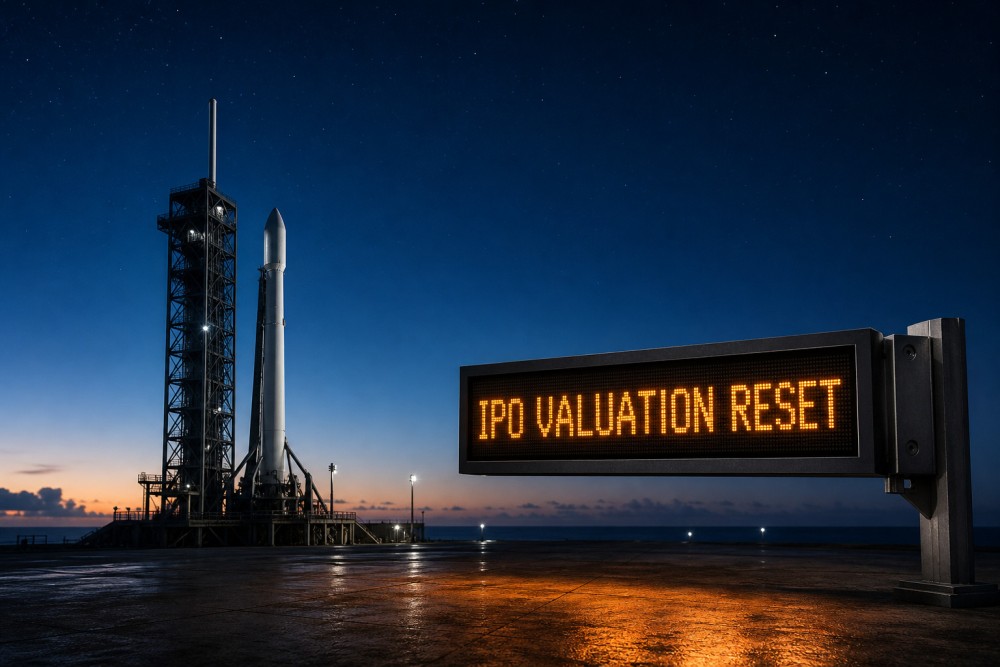

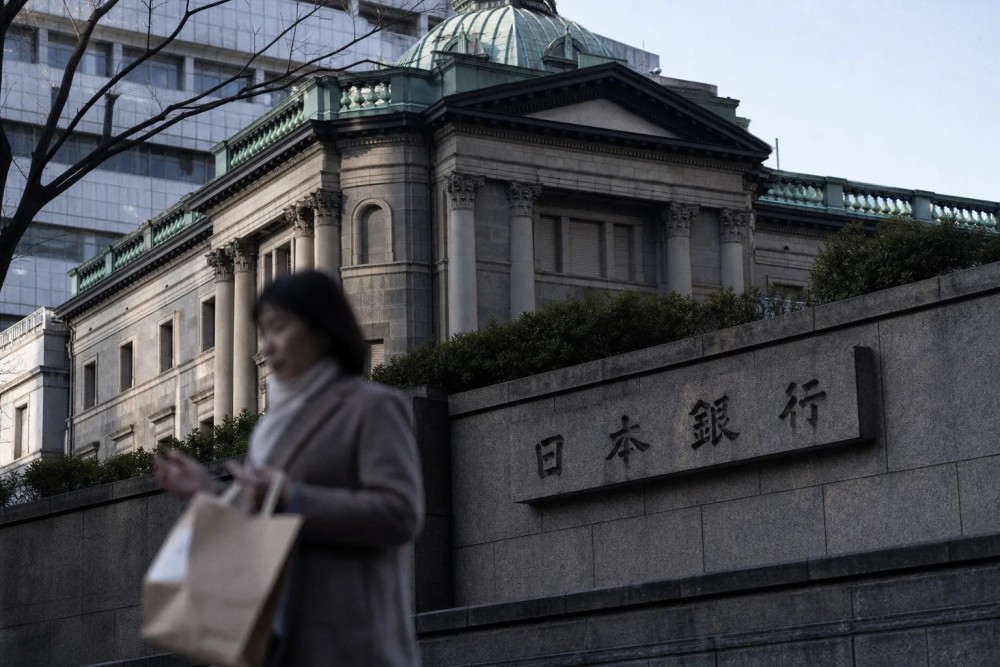
Gotrade News - Tokyo's core inflation slowed for a sixth straight month in May while a Federal Reserve official rejected AI as an inflation cure. The dual signals on May 29, 2026, point to a widening divergence between US and Japanese monetary policy paths.
Cooler Japanese prices complicate the Bank of Japan's plan to raise rates next month, while sticky US inflation keeps the Fed leaning hawkish. The split reinforces a higher-for-longer dollar yield premium that could shape rate-sensitive equity allocation.
Key Takeaways
- Tokyo core CPI eased to 1.3% YoY in May, the lowest in four years and below survey forecasts.
- St. Louis Fed President Alberto Musalem warned against relying on AI productivity to fix 3.8% US inflation.
- The divergence widens the US-Japan yield gap, with implications for Treasuries, banks, and broad US equities.
Tokyo Inflation Cools, Complicating BOJ Path
According to Bloomberg Technoz, Tokyo's core CPI excluding fresh food rose 1.3% YoY in May. That marked the sixth consecutive month of deceleration and the lowest reading in four years.
Core-core CPI, which strips out fresh food and energy, advanced 1.6% YoY in the same period. Headline inflation slowed to 1.4%, with all three gauges undershooting Bloomberg's analyst survey.
The data was released by Japan's Ministry of Internal Affairs and Communications on May 29, 2026. Tokyo prices are watched as a leading indicator for the nationwide CPI report due later in June.
The cooler print complicates Bank of Japan deliberations on a potential rate hike next month. Governor Kazuo Ueda has signaled patience, and the latest data gives doves more room to delay tightening.
A delayed BOJ move would keep Japanese yields anchored and the yen on the defensive. That dynamic typically widens the US-Japan yield gap, a key driver of cross-border capital flows into US assets.
Fed Rejects AI as Inflation Fix
As reported by Bloomberg Technoz, St. Louis Fed President Alberto Musalem pushed back on the idea that AI-driven productivity could rescue the inflation outlook. He spoke at a conference in Reykjavik, Iceland on May 28, 2026.
Musalem said it appears very risky to rely on prospects of higher future productivity growth to solve the inflation problems policymakers face today. US inflation is currently running at 3.8%, well above the Fed's 2% target.
The Iran conflict has reignited global price pressures, lifting energy costs and shipping rates. Multiple Fed officials are now pressing to remove dovish bias-toward-easing language from policy statements.
Several committee members have indicated rates may need to rise further if disinflation stalls. Minutes from the April 28-29 FOMC meeting revealed active consideration of dropping the dovish wording.
Per Bloomberg Technoz, the rhetorical shift suggests the bar for additional cuts has risen materially. Markets had been pricing in further easing later in 2026.
A hawkish Fed combined with a patient BOJ supports a steeper US Treasury curve and a firmer dollar. Long-duration bond proxies like TLT remain sensitive to any shift in the rate path.
Higher-for-longer rates typically support net interest margins at large US banks. JPM and other money-center lenders have benefited from elevated yields throughout 2026.
Broad equity benchmarks face a more nuanced setup as rate-sensitive sectors digest the hawkish tilt. SPY investors will watch upcoming PCE and payrolls data for confirmation of the trend.
Sources
- Inflasi Tokyo Melambat, Jalan BOJ Naikkan Suku Bunga Kian Rumit (Bloomberg Technoz)
- Pejabat The Fed: Jangan Berharap ke AI untuk Jinakkan Inflasi AS (Bloomberg Technoz)
Self-check: (1) Body opens with Gotrade News - prefix. (2) Lead has P1 2 sentences + P2 2 sentences, no prefix on P2. (3) Key Takeaways has exactly 3 bullets, no em-dashes. (4) Two substantive H2 only (Tokyo Inflation Cools / Fed Rejects AI). (5) Every body paragraph is exactly 2 sentences. (6) Three inline ticker links to TLT, JPM, SPY using heygotrade.com/en/us-stock/ pattern. (7) Sources H2 uses HTML anchor list, no markdown, no fence. (8) Word count ~565, within 500-650 range, American English throughout.