UAE Quits OPEC as Brent Hits USD 126 on Wed (30/04)
Rendy Andriyanto
Gotrade Team
Reviewed by Gotrade Internal Analyst
Summary
UAE formally exits OPEC on May 1, 2026, removing a key producer from the cartel
Brent at USD 126/barrel is the highest reading since Russia invaded Ukraine in 2022
UAE plans to ramp up production post-exit, threatening OPEC supply discipline
Share this article
Gotrade News - The United Arab Emirates announced its exit from OPEC effective May 1, 2026, as oil prices spiked to their highest level since 2022. The move adds a new layer of structural uncertainty to a market already strained by the US-Iran conflict.
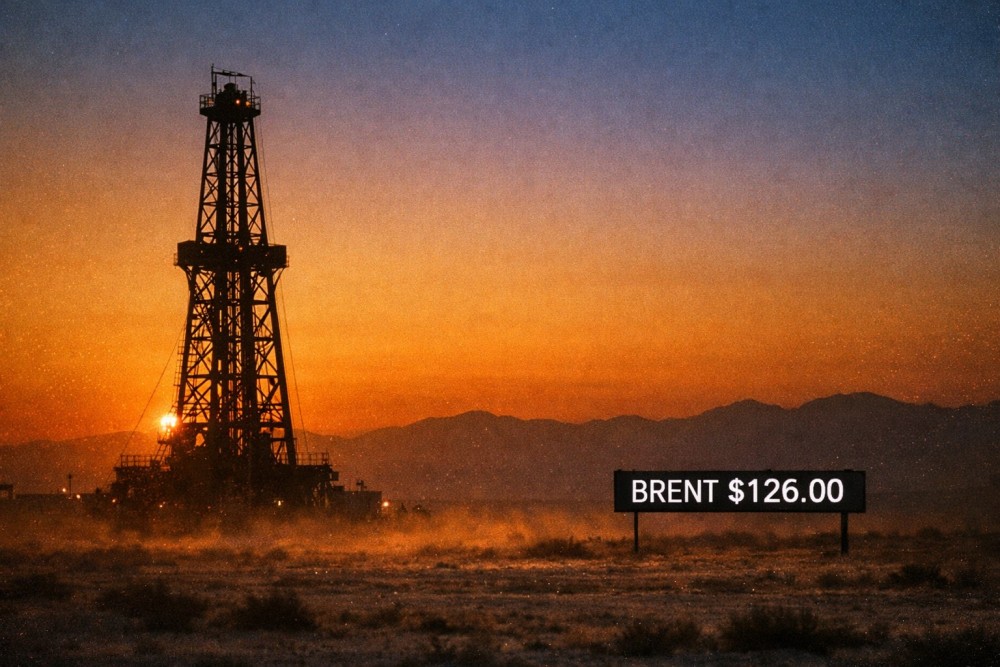
Brent crude jumped nearly 7% to USD 126 per barrel on Wednesday (30/04), according to SINDOnews. West Texas Intermediate (WTI) climbed to USD 109 per barrel on the same day.
UAE formally exits OPEC on May 1, 2026, removing a key producer from the cartel
Brent at USD 126/barrel is the highest reading since Russia invaded Ukraine in 2022
UAE plans to ramp up production post-exit, threatening OPEC supply discipline
UAE officials have signaled plans to lift oil output after leaving OPEC. The move risks eroding the supply discipline that has historically supported prices through production quotas.
Russian Deputy Prime Minister Alexander Novak said the UAE departure will not trigger an oil price war. Supply shortages from the Iran conflict leave little room for a price war in the current market, according to Bloomberg.
The price spike was also driven by escalating US military posture toward Iran. US Central Command (CENTCOM) is reportedly preparing strike options after Washington-Tehran talks broke down, according to SINDOnews.
The main risk for energy markets remains the Strait of Hormuz, which carries roughly 20% of global energy supplies. A potential Iranian blockade of the strait could trigger deeper supply disruptions.
Saudi Arabia Feels the Squeeze
Saudi Arabia's Q1 2026 GDP growth slowed sharply to 2.8%, down from 5% in Q4 2025. Oil sector growth fell to 2.3% from 10.8% the prior quarter, according to Kumparan.
The IMF cut its 2026 Saudi growth forecast to 3.1%. An IMF official said Saudi crisis protocols have helped the economy stay resilient amid attacks on energy infrastructure.
Saudi Arabia is rerouting oil supplies via pipelines to the Yanbu port on the Red Sea to keep exports flowing. The strategy reduces reliance on the Strait of Hormuz, which has been closed since the conflict escalated.
Market Implications
Oil price spikes typically move US energy producers like Exxon Mobil and Chevron. Retail investors can also track oil-linked ETFs such as USO for sector exposure.
Volatility is likely to stay elevated as two pressure points now overlap. Iran-driven supply disruption is colliding with structural uncertainty over OPEC's future after the UAE exit.
Gotrade is the trading name of Gotrade Securities Inc., which is registered with and supervised by the Labuan Financial Services Authority (LFSA). This content is for educational purposes only and does not constitute financial advice. Always do your own research (DYOR) before investing.