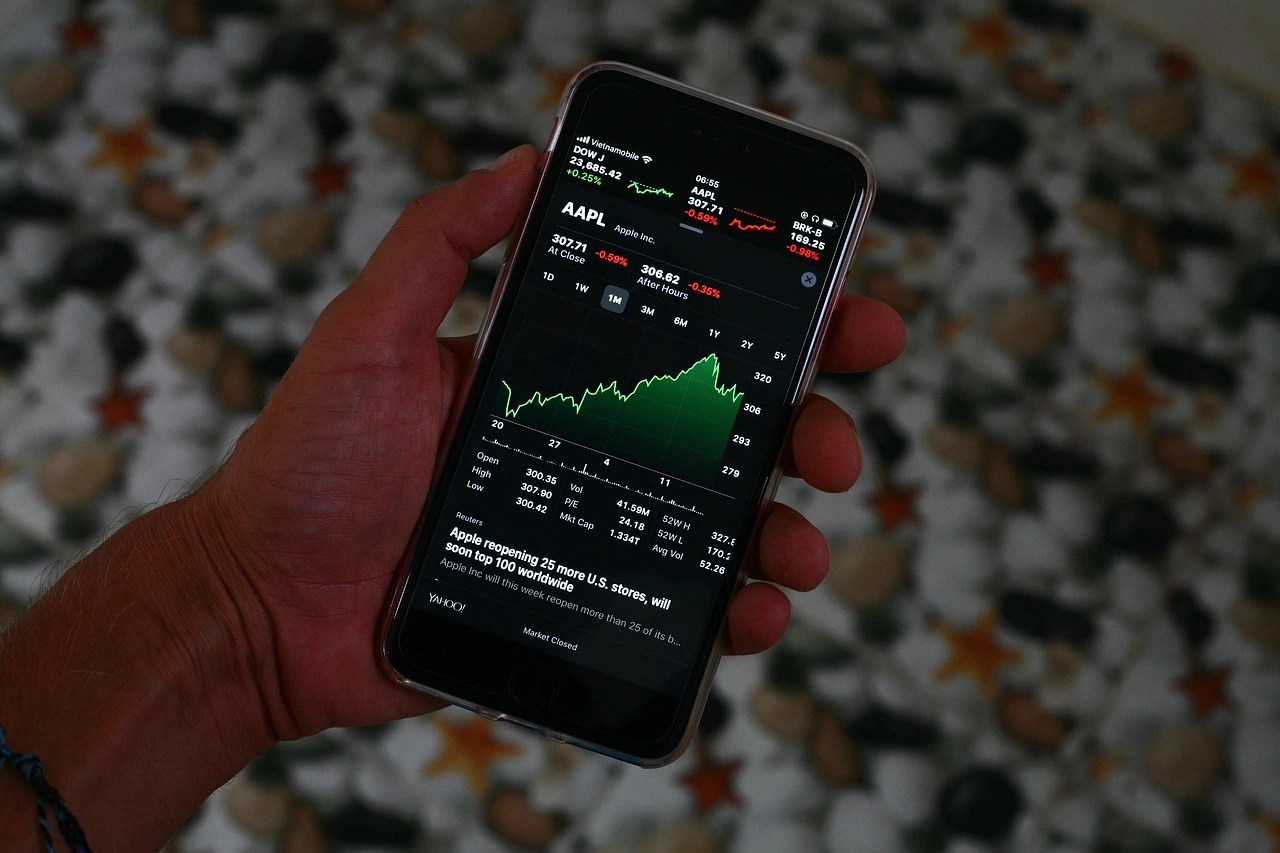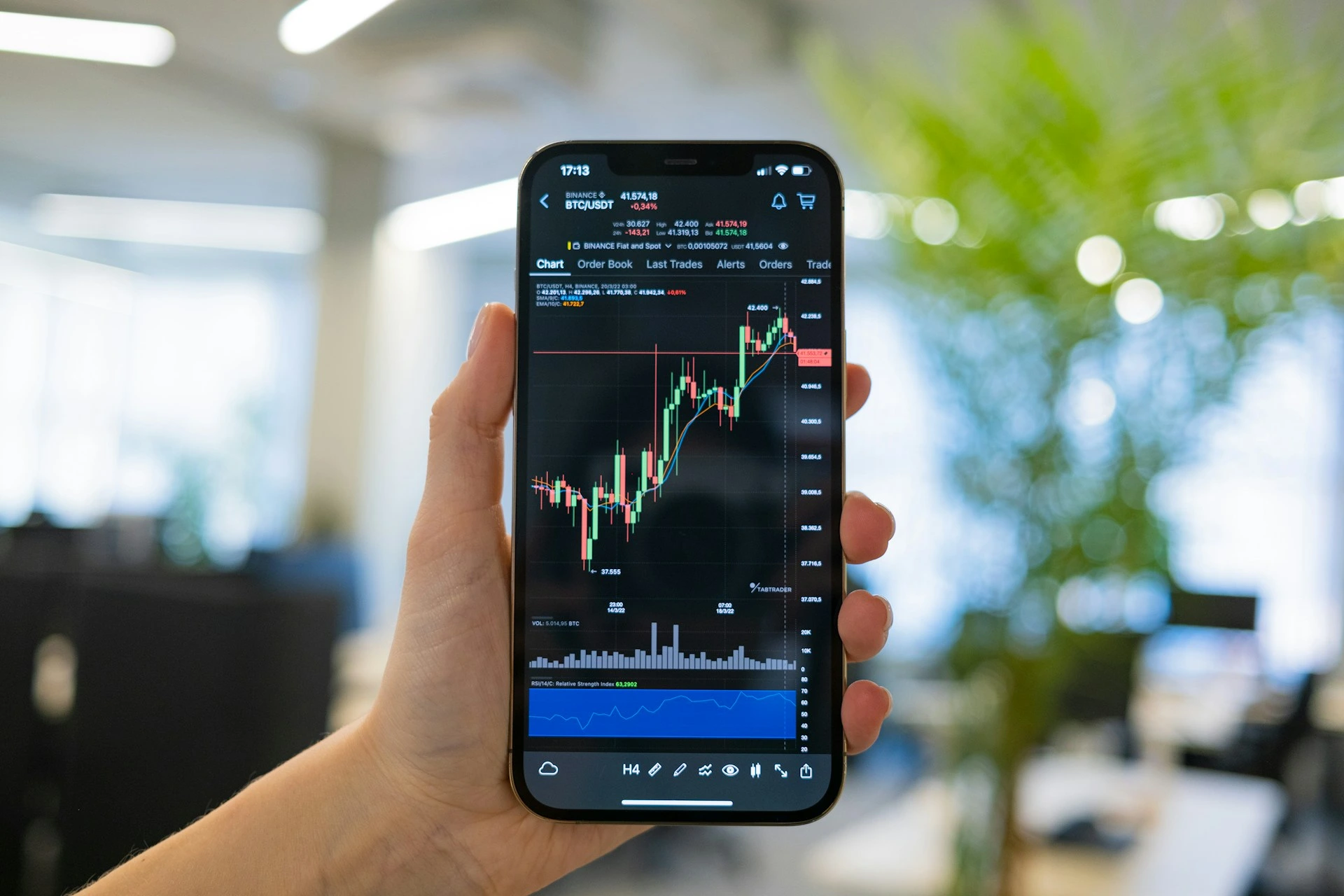
Short-term trading focuses on capturing quick price movements within a short timeframe. This can range from intraday trades to positions held for a few days.
A strong short term trading strategy is not about constant action. It is about precision, discipline, and execution. The best active trading strategy prioritizes high-quality setups, controlled risk, and consistency over frequency.
Key Characteristics of Short-Term Trading
Short-term trading is defined by speed and timing.
Trades are typically:
- opened and closed within hours to a few days
- based on short-term price movements
- highly sensitive to market conditions
Because of the shorter timeframe, price action matters more than long-term fundamentals.
This style requires:
- quick decision-making
- clear execution plans
- strong emotional control
Unlike long-term investing, small mistakes can have immediate consequences.
Focus on Technical Analysis
Technical analysis plays a central role in short-term trading.
Traders rely on:
- price structure and trend direction
- support and resistance levels
- chart patterns and breakout setups
The goal is to identify:
- precise entry points
- logical stop levels
- realistic profit targets
Indicators can support this process, but they should not replace price action.
Common tools include:
- moving averages for trend direction
- RSI for momentum
- volume for confirmation
The focus should remain on clarity. Too many indicators often lead to hesitation and conflicting signals.
Managing Trade Frequency
One of the biggest challenges in short-term trading is controlling how often you trade. More trades do not necessarily mean better results.
High-frequency trading without discipline often leads to:
- lower-quality setups
- increased transaction costs
- emotional fatigue
A strong approach is to be selective.
Traders should focus on:
- waiting for clear setups
- avoiding trades during unclear market conditions
- prioritizing quality over quantity
Consistency improves when each trade meets predefined criteria.
Risk and Reward Balance
Risk management is critical in short-term trading because positions are more sensitive to small price movements.
Each trade should have:
- a defined stop-loss level
- a clear risk-to-reward ratio
- controlled position sizing
A common guideline is to ensure that potential reward is greater than risk.
For example:
- risking 1 unit to gain 2 units
- or maintaining at least a 1:2 risk-to-reward ratio
Because trades are frequent, small losses can accumulate quickly if not managed properly. Maintaining consistent risk per trade helps protect capital over time.
Avoiding Overtrading
Overtrading is one of the most common mistakes in short-term trading.
It often happens due to:
- boredom
- fear of missing out
- emotional reactions after losses
Overtrading leads to:
- unnecessary exposure
- reduced focus
- increased mistakes
Avoiding overtrading requires discipline.
Traders should:
- set daily or weekly trade limits
- stop trading after reaching loss limits
- stick to predefined setups
The goal is not to trade more, but to trade better.
Building a Repeatable Process
Successful short-term trading depends on having a structured process.
This includes:
- defining clear entry criteria
- setting risk parameters
- reviewing past trades
A repeatable process helps remove emotion and improves decision-making. Over time, consistency comes from following the same approach rather than constantly changing strategies.
Conclusion
The best short term trading strategy focuses on precision, discipline, and risk control. By using technical analysis, managing trade frequency, and avoiding overtrading, traders can improve consistency and reduce unnecessary losses.
Short-term trading is not about reacting to every move, but about executing a clear plan in the right conditions.
FAQ
What is short-term trading?
Short-term trading involves holding positions for a short period, typically from minutes to a few days.
Is short-term trading profitable?
It can be, but it requires discipline, risk management, and consistent execution.
How can traders avoid overtrading?
By setting clear rules, limiting trade frequency, and focusing on high-quality setups.
References
- Investopedia, Mastering Short-Term Trading, 2026.
- CMC Markets, Short-Term Trading: Strategies & Examples, 2026.