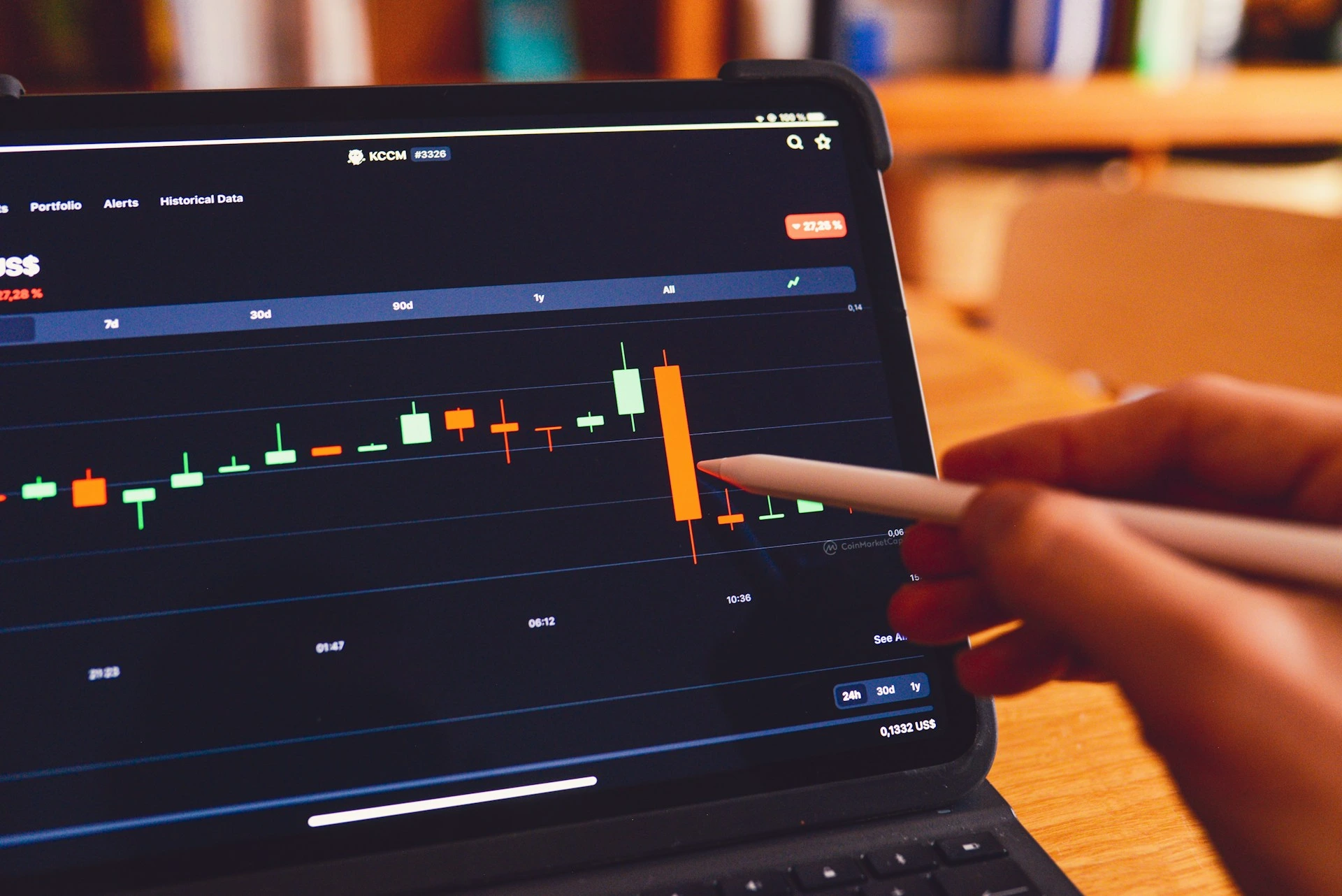
Entering a trade too early is one of the most common mistakes in trading. Even when the overall idea is correct, poor timing can lead to unnecessary drawdowns and emotional stress.
If you’ve entered trade too early, the key is not to react impulsively. A structured response helps you manage risk, stay disciplined, and improve future execution. Handling a bad entry trading situation properly is part of becoming a consistent trader.
What to Do When You Enter a Trade Too Early
1. Re-evaluate setup validity
The first step is to reassess whether your original setup is still valid.
Ask yourself:
- is the trade idea still intact?
- has price invalidated the setup?
- is the market behaving as expected?
Entering early does not automatically mean the trade is wrong.
If the structure and thesis remain valid, the issue is timing, not direction. However, if price action contradicts your setup, the trade may no longer be worth holding.
Clarity at this stage prevents emotional decisions.
2. Stick to your stop-loss plan
A bad entry becomes a bigger problem when there is no defined risk.
Your stop loss should already be based on:
- market structure
- support or resistance levels
- invalidation of your setup
Do not adjust your stop just because the entry was early.
Moving stops emotionally often leads to:
- larger losses
- loss of discipline
- inconsistent results
A predefined stop keeps the situation controlled, even if the entry timing was not ideal.
3. Avoid adding prematurely
One of the most dangerous reactions is adding to a position too early.
This often happens when:
- price moves against your entry
- you want to improve your average price
- you feel confident in the original idea
Adding without confirmation increases exposure while the trade is still uncertain.
Instead, additional entries should only be considered when:
- the setup is confirmed
- price shows signs of moving in your favor
- risk remains controlled
Patience is critical. Averaging too early can turn a manageable situation into a larger loss.
4. Wait for confirmation next time
Early entries usually happen due to anticipation rather than confirmation.
Common reasons include:
- fear of missing out
- entering before breakout confirmation
- assuming the move will happen immediately
To improve, focus on waiting for clear signals such as:
- breakout with follow-through
- pullback holding support
- momentum confirmation
Waiting for confirmation may reduce early entries, even if it means missing some trades. Consistency matters more than catching every move.
5. Learn entry timing discipline
Improving timing is a long-term skill.
This involves:
- defining clear entry criteria
- sticking to rules consistently
- reviewing past trades to identify patterns
For example:
- only entering after candle close above resistance
- waiting for retest instead of breakout entry
- using multiple confirmations before execution
Discipline in timing reduces unnecessary drawdowns and improves overall performance. Mistakes are part of the process, but they should lead to adjustments, not repeated behavior.
Turning a Bad Entry Into a Learning Process
A poor entry is not a failure if it improves your process.
Every early entry provides feedback:
- were you reacting too quickly?
- did you ignore confirmation signals?
- was your plan clearly defined?
Reviewing these factors helps refine your strategy.
Over time, better timing leads to:
- improved risk-to-reward
- lower drawdowns
- more consistent results
Conclusion
Entering a trade too early is a common challenge, but it can be managed with discipline and structure. By reassessing the setup, sticking to your stop-loss plan, avoiding premature additions, and improving confirmation-based entries, traders can turn bad entries into valuable lessons.
A strong approach to bad entry trading is not about avoiding mistakes entirely, but about responding to them with clarity and improving execution over time.
FAQ
What should I do if I entered a trade too early?
Re-evaluate the setup, follow your stop-loss plan, and avoid making emotional adjustments.
Should I add to a trade after a bad entry?
Only if the setup is confirmed and risk is controlled. Avoid adding prematurely.
How can I improve entry timing?
By waiting for confirmation, defining clear entry rules, and reviewing past trades.
References
- Blackwell Global, Entry Strategies: Know When to Enter a Trade, 2026.
- Baby pips, Entry Trigger, 2026.